Advertisement
Eurocopter EC130 B4: Features of helicopter which crashed in Samburu
19th August, 2026 04:19 PM
The Eurocopter EC130 B4 has come into focus following a fatal helicopter crash in Samburu County on Wednesday, August 19, 2026.
The Kenya Civil Aviation Authority (KCAA) confirmed that an aircraft accident involving a Eurocopter EC130 B4, registration 5Y-GYM, occurred at Lolokwe Mountain at approximately 9:13am. The aircraft was operating a flight from Loisaba to Ewaso Nyiro when the accident occurred.
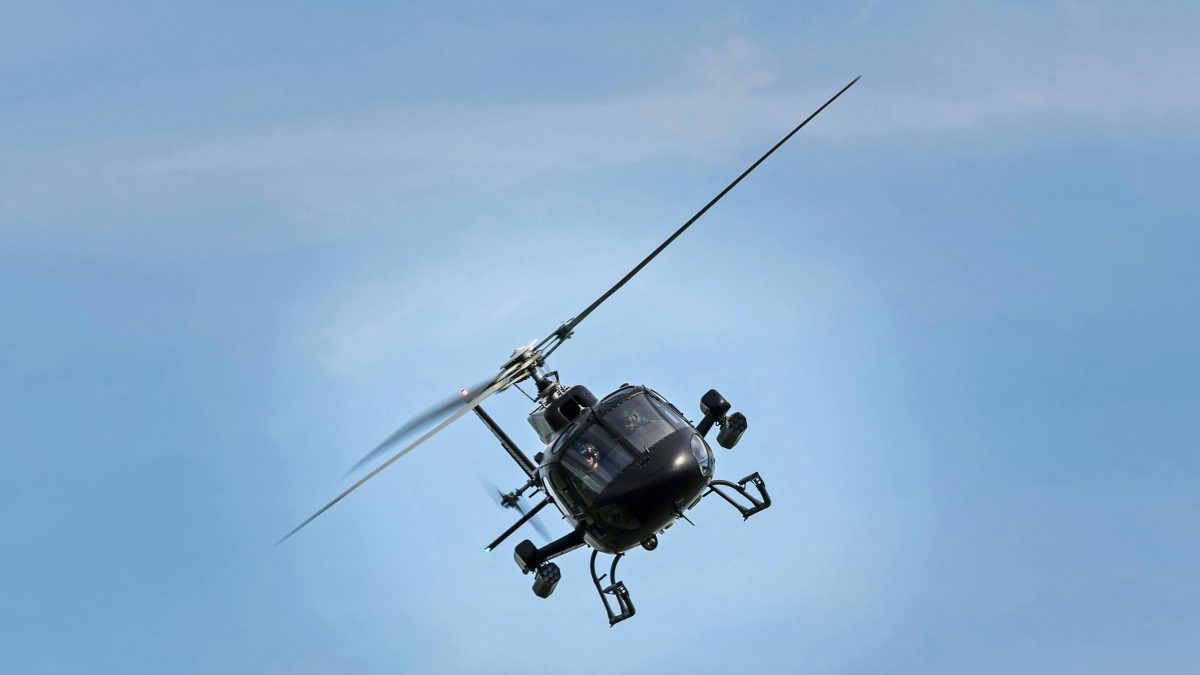
The EC130 B4 is a single-engine light utility helicopter developed by Eurocopter, which later became part of Airbus Helicopters. The model was developed from the AS350 Écureuil and is designed for roles including passenger transport, tourism and utility operations.
Engine and performance
The EC130 B4 is powered by a Turbomeca Arriel 2B1 turboshaft engine, producing 632 kilowatts, or about 847 horsepower, at take-off. Technical specifications list a maximum take-off weight of about 2,427 kilograms.
The aircraft has a three-bladed main rotor measuring approximately 10.69 metres in diameter. Its published cruise speed is about 222 kilometres per hour, with a range of approximately 593 kilometres and endurance of around four hours, depending on operating conditions.
Fenestron tail rotor
One of the most distinctive features of the EC130 B4 is its Fenestron-shrouded tail rotor.
Unlike conventional helicopters that have an exposed tail rotor, the Fenestron system encloses the rotor blades within a housing at the end of the tail. The design helps reduce noise and provides protection around the tail rotor.
The EC130 was designed with low-noise operations in mind, making it particularly suitable for passenger and sightseeing flights, including operations around tourism destinations.
Spacious cabin
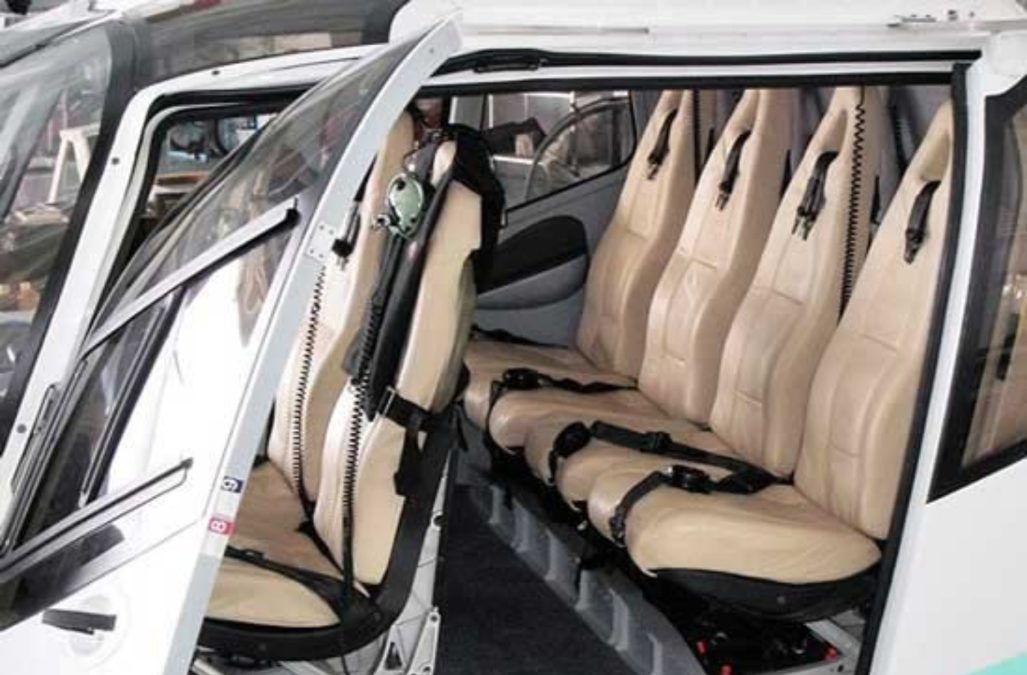
The EC130 B4 was designed with a relatively large cabin for a helicopter in its class.
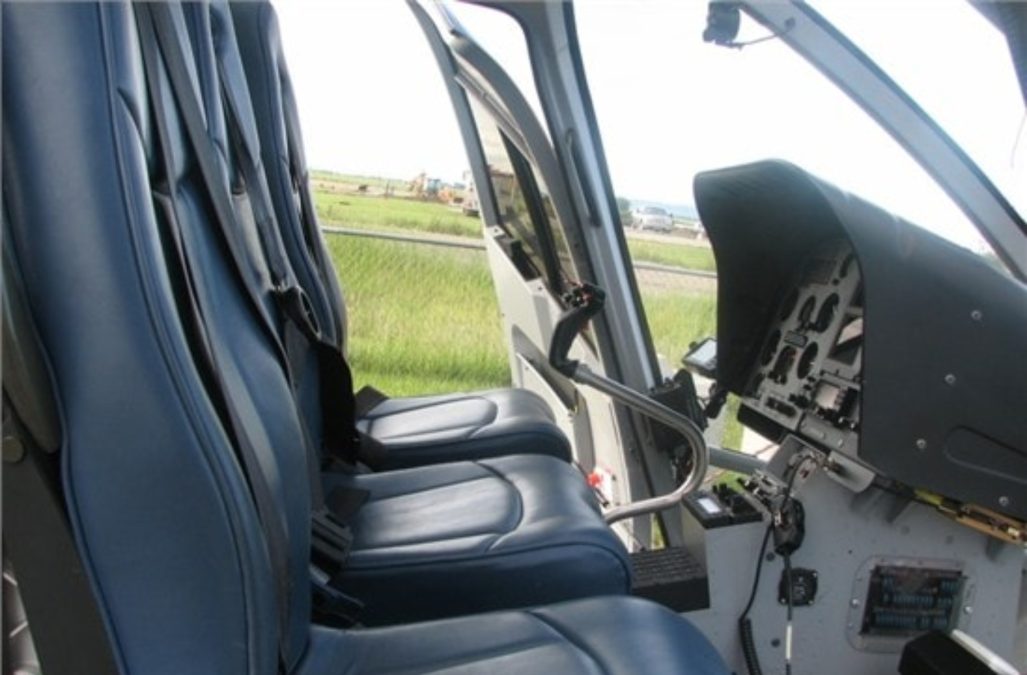
The standard configuration accommodates one pilot and six passengers, although seating arrangements can vary depending on the operator and mission. The aircraft’s cabin can also be adapted for different uses, including passenger transport and medical evacuation.
The spacious interior and large windows make the helicopter particularly suited to sightseeing and tourism operations, while its wide doors allow easier access for passengers and specialised missions.
Pilot assistance and safety systems
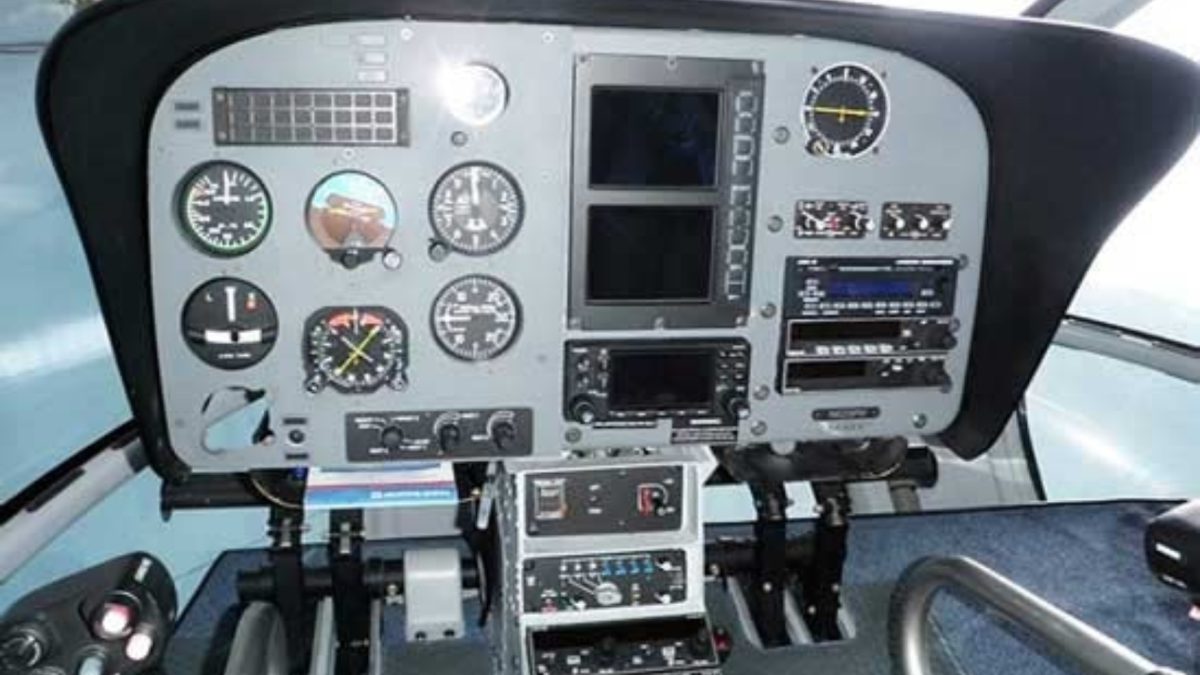
The EC130 B4 is equipped with a Vehicle and Engine Multifunction Display (VEMD), which provides pilots with information on engine and aircraft parameters and is designed to reduce pilot workload.
The aircraft also features crash-worthy seats and redundant flight systems designed to improve occupant protection and aircraft reliability.
It is important, however, to distinguish the EC130 B4 from the later EC130 T2, which was subsequently developed into the Airbus H130.
The later variant introduced several upgrades, including the more powerful Turbomeca Arriel 2D engine, Full Authority Digital Engine Control (FADEC), an Active Vibration Control System, improved environmental controls and enhanced hydraulic systems.
The H130 also features upgraded avionics and can be configured for passenger transport, sightseeing, VIP duties, medical airlift and surveillance missions. Airbus lists the H130 as capable of carrying a pilot and up to seven passengers, depending on configuration.
Versatile helicopter
The EC130 family has been used in several roles because of its spacious cabin, performance and ability to accommodate different configurations.
Its applications have included tourism, passenger transport, private charter, business travel and medical evacuation. The aircraft can also be configured for other specialist operations depending on the equipment installed.
Following the Samburu crash, aviation investigators are expected to examine the aircraft, flight circumstances and other factors as they work to establish what caused the accident.
KCAA said the investigation into the circumstances surrounding the crash is being led by the Air Accident Investigation Department, while the authority coordinates with other relevant agencies and stakeholders.