Advertisement
Beyond ChatGPT: How OpenAI Academy could shape the future of work in East Africa
17th June, 2026 03:53 PM
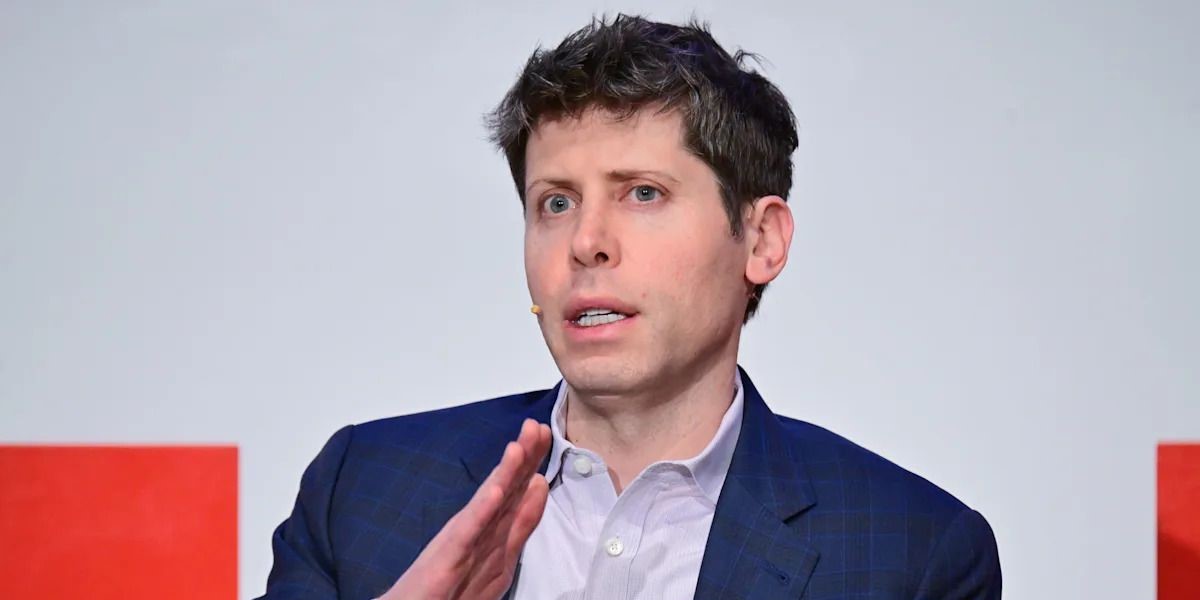
Artificial Intelligence (AI) is no longer a futuristic concept reserved for Silicon Valley engineers and tech giants. It is rapidly becoming part of everyday life, influencing how people work, learn, communicate, and do business.
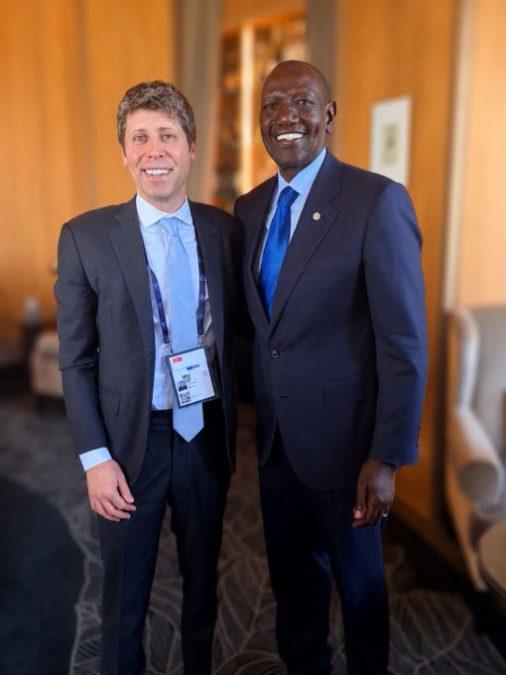
On the margins of the G7 Leaders’ Summit on Wednesday, June 17, 2026, President William Ruto held discussions with OpenAI Chief Executive Officer Sam Altman on opportunities to deepen collaboration in artificial intelligence and digital transformation.
With the woke era of digital transformation across Africa, Ruto announced a potential collaboration with OpenAI CEO through establishing Nairobi as the home of the first OpenAI Academy initiative in Eastern Africa.
“We explored potential collaboration through establishing Nairobi as the home of the first OpenAI Academy initiative in Eastern Africa, expanding AI education, strengthening digital skills, supporting educators and learners, and reinforcing Kenya’s position as a leading hub for AI talent and innovation,” Ruto stated.
The establishment in Nairobi is set to expand AI education, digital skills and opportunities for young people.
“I underscored the importance of harnessing emerging technologies to create opportunities for young people, drive innovation and ensure Africa plays a meaningful role in shaping the future digital economy,” Ruto stated.
OpenAI Academy courses are built around a simple idea: people learn how to use AI best by practising on work that matters to them. As part of this effort, OpenAI is working with partners including BCG, Accenture, and BBVA to help organisations build practical AI skills and apply them in their day-to-day work.
The benefits of AI extend beyond formal employment. Small business owners can use AI tools to manage customer service, create marketing campaigns, conduct market research, and improve operational efficiency.
AI Foundations introduces the core concepts and practices for using AI effectively in everyday work, including prompting, giving context, output review, and responsible use.
Learners leave with the foundations they need to apply those habits and improve routine tasks such as drafting, summarising, planning, and meeting preparation.
Applied AI Foundations teaches how to turn effective prompts into structured, repeatable workflows. Learners understand how to develop a workflow plan that defines the right inputs, models, tools, checkpoints, and human review, while balancing quality, speed, and cost.
Agents and Workflows focuses on how to direct agent-assisted work by providing context, defining outputs and boundaries, and reviewing results. Learners leave able to run and refine a reusable workflow while identifying where human judgment and oversight are required.
Together, the courses take learners from improving one everyday task, to building a repeatable workflow plan, to practicing an agent-assisted workflow they can apply to future work.