Advertisement
Pegasus spyware and how it helps governments track criminals
23rd April, 2026 04:59 PM
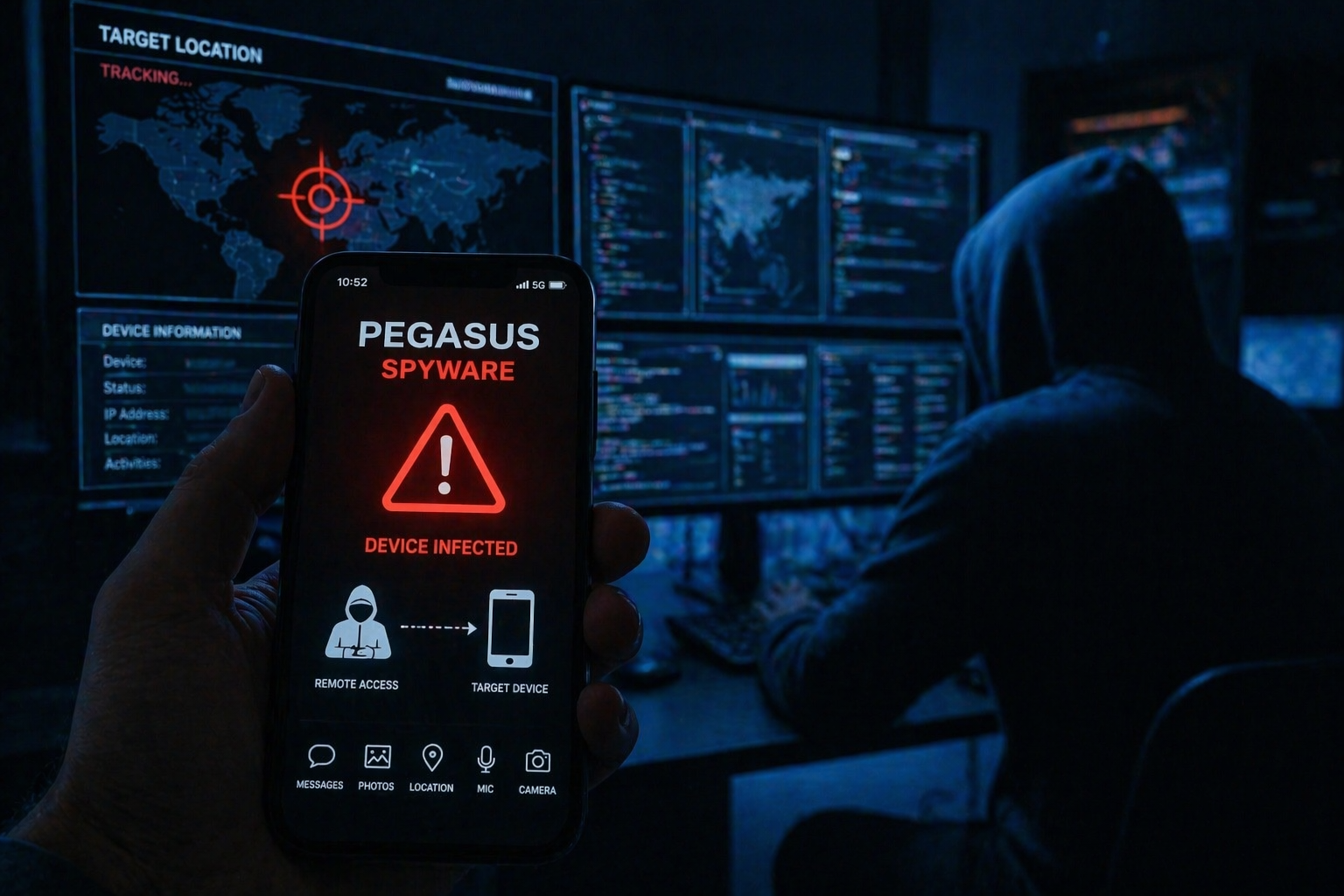
Modern crime fighting is no longer limited to roadblocks, fingerprints or CCTV cameras.
Investigators today also rely on digital intelligence, especially when suspects plan offences through smartphones.
One of the most discussed tools in that space is Pegasus, spyware developed by the Israeli cyber firm NSO Group.
Pegasus became globally known because it can be used to access data from targeted devices during authorised investigations.
Supporters say such tools can help stop terrorism, dismantle organised crime and trace dangerous suspects.
Critics, however, warn about privacy abuse. Understanding how the system works helps explain why it remains controversial.
How tracking begins
Investigations usually start with a suspicion linked to a serious offence.
This may come from intelligence reports, financial records, witness statements, intercepted threats or links to known criminal networks.
Authorities do not randomly track every citizen. A target is first identified through existing evidence.
According to public reporting by NSO Group, its technology is intended for use by government agencies investigating terrorism and serious crime.
That means the software is marketed as a targeted intelligence tool rather than mass surveillance.
Once a suspect is identified, analysts study the person’s digital footprint.
This can include phone numbers, email addresses, messaging patterns, known associates and movement history.
The aim is to confirm whether deeper monitoring is justified.

Accessing the device
The next stage is gaining access to the suspect’s phone.
Public investigations by cybersecurity researchers such as Citizen Lab and Amnesty International have shown Pegasus has allegedly used methods including malicious links, network injection and so-called zero-click exploits, where no tap is required from the target.
If access succeeds, the phone can become a valuable source of intelligence.
Investigators may see communications, saved contacts, calendars, location signals and other data depending on the device, software version and permissions obtained.
This can help reveal whether a suspect is planning an offence, coordinating with others or moving toward a target area.
Preventing harm
Once data is analysed, agencies build timelines and risk assessments.
If messages suggest an imminent terror attack, violent unrest or organised criminal act, officers can intervene before harm occurs.
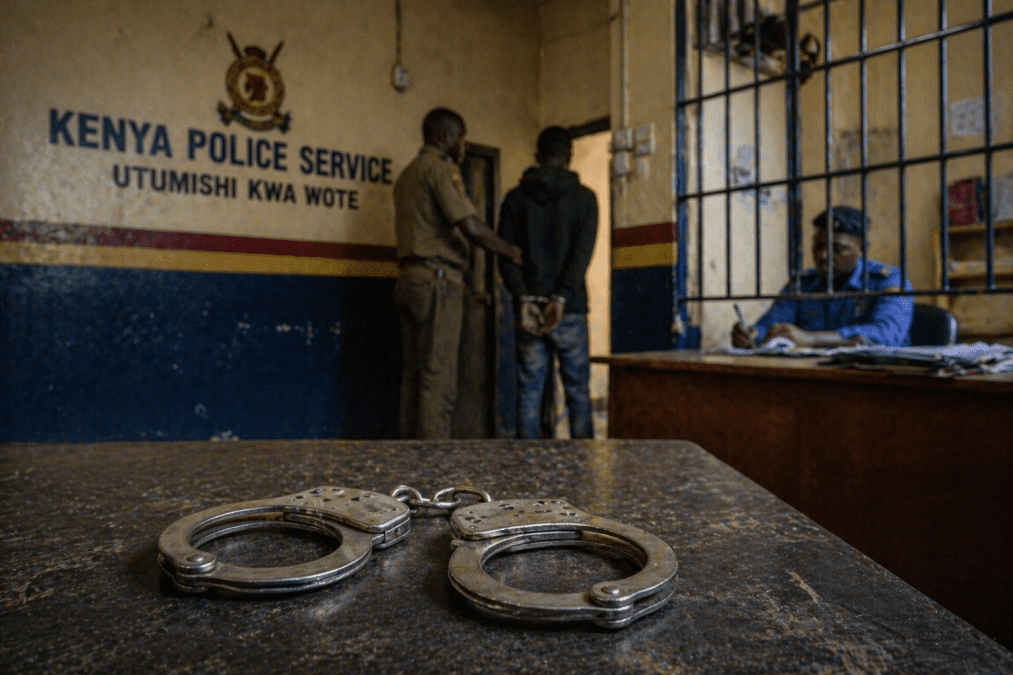
That may involve arrests, surveillance teams, border alerts or protection of likely targets.
The United States Federal Bureau of Investigation has publicly acknowledged evaluating Pegasus technology, showing how seriously such tools are considered in modern law enforcement discussions.
Digital evidence can also help after a crime. Location history, contacts, deleted chats or planning notes may support wider investigations and lead officers to accomplices, finances or weapons networks.
Pegasus remains one of the clearest examples of how smartphones have become central to both crime and crime prevention.
While laws and oversight differ across countries, the basic lesson is clear: in the digital age, many suspects are tracked through the devices they carry every day.