Advertisement
Ngunja Matu: Embu’s rich one-pot ugali, greens and grains meal
08th May, 2026 07:41 AM
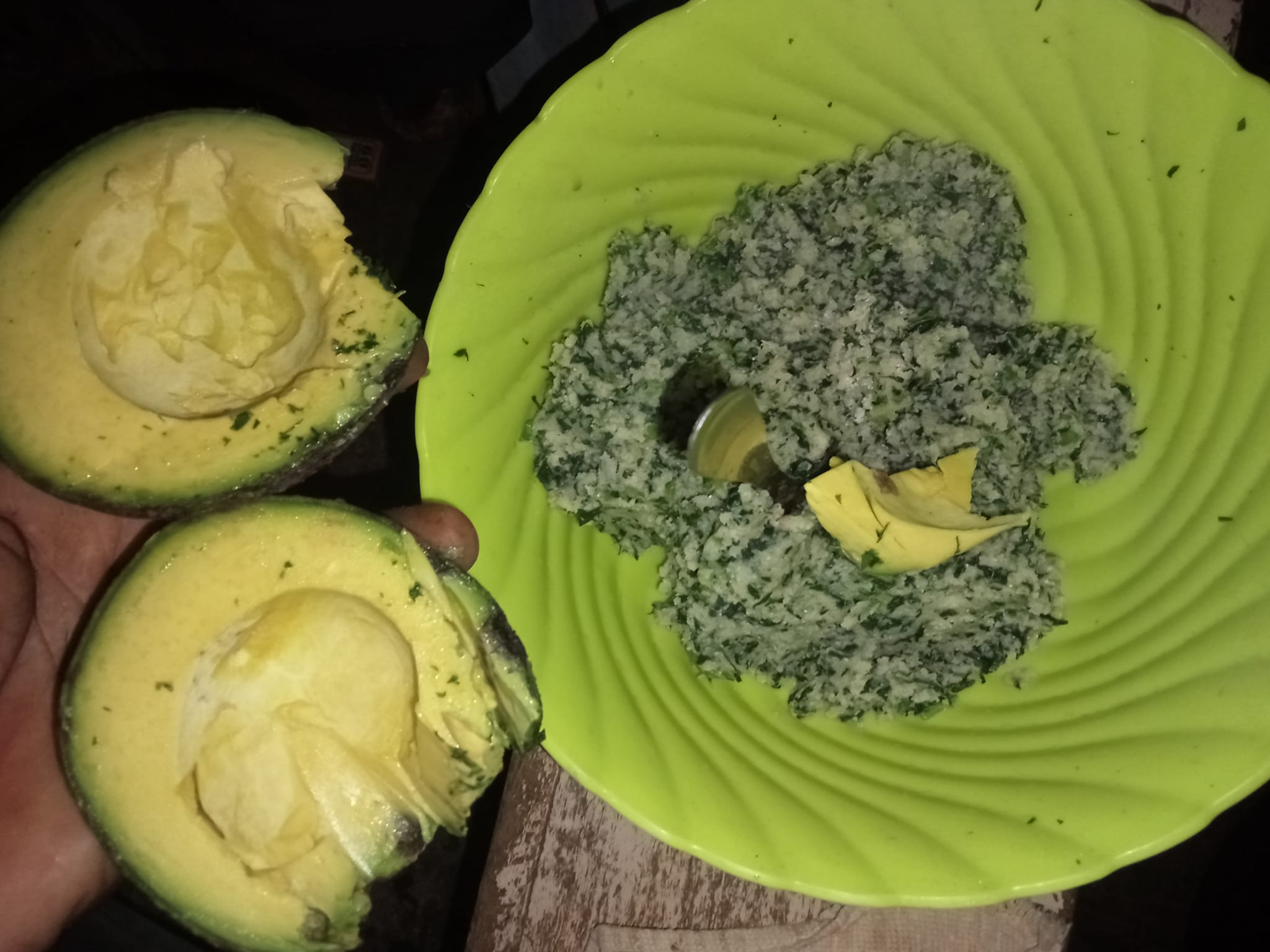
In the lower parts of Embu, especially across Mbeere South and Mbeere North, there is a traditional dish that quietly stands out for its simplicity, nutrition, and deep cultural roots.
Correctly known as ‘Ngunja Matu’ or sometimes ‘Ngunja Gutu’, this meal is a true one-pot experience where ugali is not served alongside vegetables but cooked together with them.
It is a meal shaped by the realities of the region. Mbeere areas are largely semi-arid and rely on crops such as maize, beans, sorghum and vegetables for daily food.
Out of this environment came a dish that combines everything into one pot, making it filling, practical and rich in nutrients.
What Ngunja Matu really is
Ngunja Matu is a traditional Kenyan meal common among the Ameru and Embu communities.
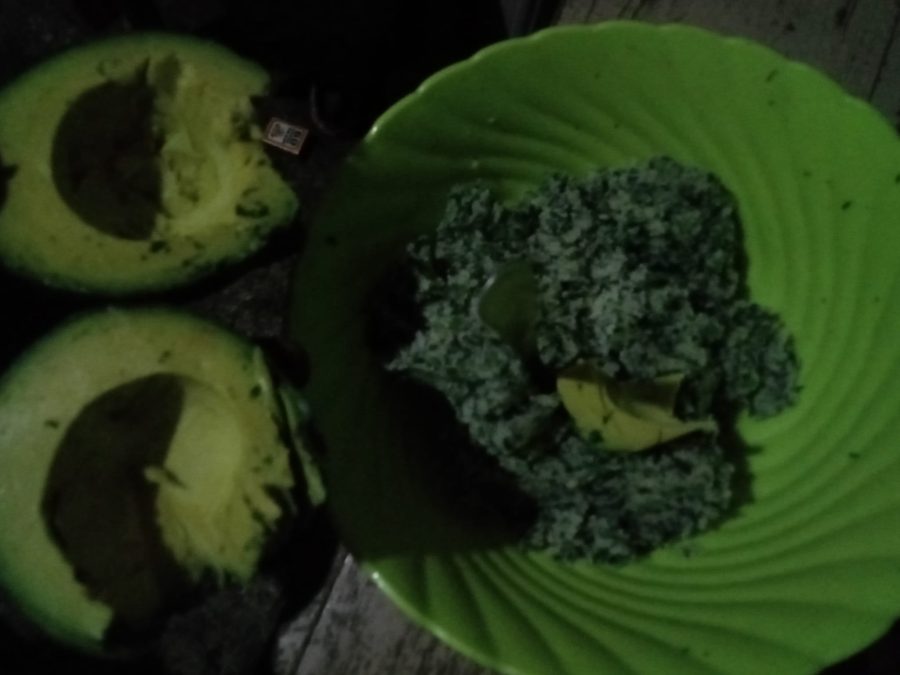
Instead of preparing ugali separately, maize flour is cooked together with greens, cereals, or other ingredients to form a thick, firm, porridge like meal.
It is dense, slightly textured, and deeply satisfying. Unlike plain ugali, every bite carries flavour from vegetables and other additions already mixed in.
This is not just food. It is a survival smart dish that became a delicacy.
Step 1: Prepare the base with water and cereals
Cooking begins like normal ugali, with water brought to a boil. In many homes in Mbeere, people may add cereals such as millet or sorghum at this stage.
These grains soften and release flavour into the water, creating a richer base before flour is introduced. This reflects the region’s farming culture, where mixed crops are common.
Step 2: Add greens like Managu and Nthoroko
Before the mixture thickens, vegetables are added directly into the pot. This is where Ngunja Matu gets its identity.
Popular greens include:
- Managu (African nightshade)
- Terere (amaranth)
- Nthoroko leaves
- Pumpkin leaves
These greens cook into the mixture, not separately. They bring both flavour and nutrients, turning the dish into a complete meal.
Some households even add pawpaw, which introduces a mild sweetness that balances the earthy taste of the greens.
Step 3: Mix in beans or potatoes
To make the meal heavier and more filling, boiled beans or potatoes are added. This step depends on availability.
Beans are common because they are widely grown in Embu, while potatoes may be used when available.
These ingredients add body and make the meal sustain energy for longer periods.
Step 4: Add unga and stir into a thick blend
Maize flour is then added gradually while stirring continuously. This step requires skill to avoid lumps.
As the flour thickens, it binds everything together. The greens, beans, and cereals become one uniform mixture.
The texture becomes firm like ugali, but slightly softer and more layered.
Step 5: Cook until firm and ready to serve
The mixture is pressed and turned until it pulls away from the sides of the sufuria. At this point, it is ready.
It is served hot and eaten by hand, just like ugali, but without the need for a separate side dish.
Why Ngunja Matu stands out
What makes this dish unique is its efficiency and richness. Everything goes into one pot, reducing the need for multiple meals or accompaniments.
It reflects the lifestyle of Mbeere communities, where food had to be practical, filling, and made from what is locally available.
It is also highly flexible. You can adjust ingredients depending on the season, from leafy greens to cereals and even fruits like pawpaw.
Traditional meal that still makes sense today
In modern kitchens, Ngunja matu still holds value. It is affordable, nutritious, and easy to prepare.
For anyone looking for a deeper connection to Kenyan traditional food, this dish offers more than taste. It tells a story of resourcefulness, culture, and community.
In simple terms, Ngunja matu is ugali reimagined. Not just a side, but a full meal in itself, born from Embu and perfected in Mbeere.