Moving to a new house every year is costing you more than you think
By Katemarthason Okudo, May 4, 2026Moving houses every year has become almost common. A rent increase, a new job, or the desire for a different environment often pushes people to pack up and start over somewhere new.
It can be a positive change, a chance to reset, reorganise and take in a different neighbourhood. But as time goes on, the pattern starts to tell a different story, one that is rarely spoken about.
Impacts
The most immediate impact is financial, and it’s more than just paying rent. Every move has costs of its own, such as transport, deposits, advance payments, and sometimes agent fees. You always have unexpected costs, even when you plan. Something breaks on the move, a new house requires adjustments, or you realise certain items no longer fit your new space. These small, unplanned expenses quietly add up.
Housing experts at the Kenya Bankers Association noted that housing-related expenses take up a big portion of household income.“Frequent relocation increases financial pressure due to repeated upfront costs such as deposits and moving expenses,” the association stated in its housing insights.
Then there is the issue of starting over each time. A house is more than just a place to sleep; it’s where routines are built. When you move frequently, those routines are constantly interrupted. You have to relearn your surroundings, adjust to new neighbours, find new shops, and sometimes even change your daily schedule. It may not seem like much in the moment, but repeating this cycle every year can become draining.
Sense of instability
There’s also a sense of instability that comes with frequent relocation. It becomes harder to feel settled or fully comfortable in a space when you know it’s temporary. You might avoid investing in making the house feel like a home, simply because you expect to leave soon. Over time, this can create a feeling of always being in transition, never fully grounded.
Psychologists say this constant adjustment can take a toll. According to mental health experts from the Kenya Psychological Association, frequent changes in living environments can contribute to stress and emotional fatigue. Stability in one’s environment plays a key role in mental well-being, and repeated disruptions can affect a person’s sense of security.
Social connections can also be a problem. Building relationships takes time, whether it’s with neighbours, local shopkeepers, or even casual acquaintances in your area. When you move often, those connections rarely get the chance to grow. Each move resets your social environment, and eventually, it can feel like you’re always starting from scratch.
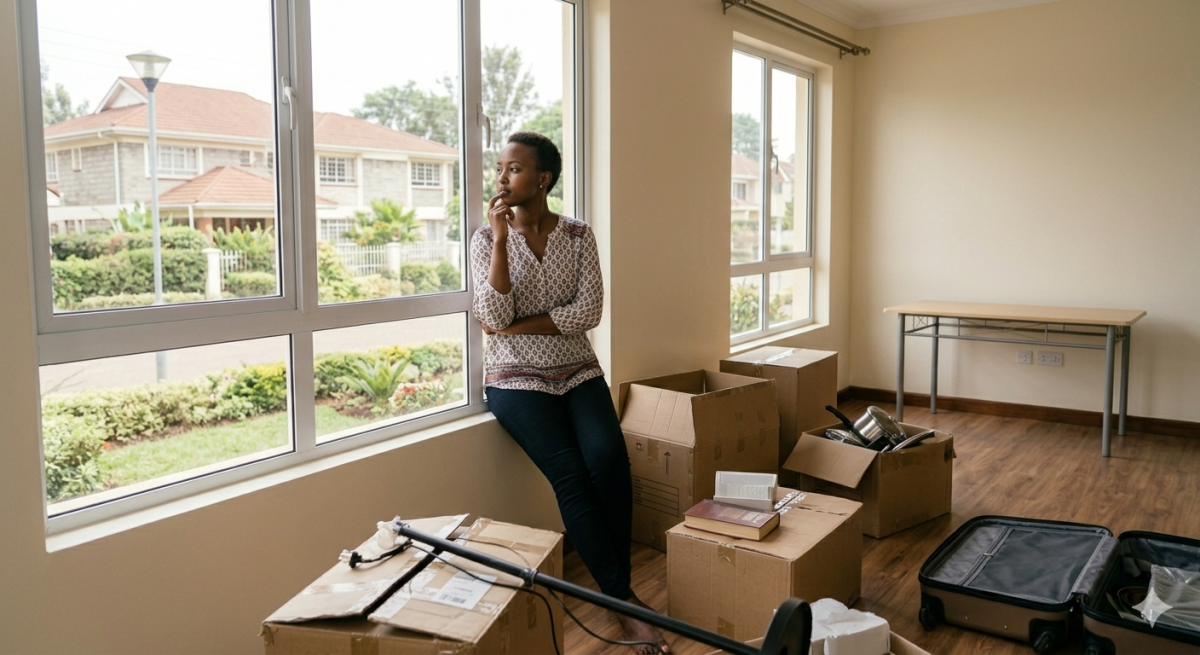
Work and productivity are not spared either. Moving distracts focus. Packing, organising, and settling into a new place takes both time and energy. Even after the move, it can take days or weeks to adjust fully. When this happens repeatedly, it eats into time that could have been spent on more stable, long-term goals.
There’s also the mental load that is brought up with constant decision-making. Searching for a new house, comparing rent prices, considering location, and weighing options can be exhausting. Doing it once is manageable. Doing it every year becomes a cycle that demands attention and energy you might not even realise you’re losing.
Bad decision?
None of this means moving is always a bad decision. Sometimes it’s necessary, and in certain cases, it leads to better opportunities. But when it becomes a habit rather than a need, the long-term effects begin to show.
Staying longer in one place allows for a different kind of growth. You build familiarity, create stability, and reduce unnecessary costs. You also give yourself the chance to invest not just financially, but emotionally, in your space.