Why you should keep a separate emergency fund for medical bills only
By Dan Kauna, August 8, 2026Imagine waking up at midnight to a crying child burning with a high fever. You get dressed quickly, rush to the nearest clinic, and wait for the doctor.
But when it comes time to pay Ksh1,500 for consultation and prescription drugs, you check your mobile wallet only to find you spent the remaining balance on groceries earlier that evening.
This is a reality for many families across Kenya. Mobile money makes daily life easier, but keeping emergency cash in the same wallet you use for paying utility bills, buying airtime, and shopping creates major problems.
Small daily transactions quietly eat away your emergency buffer, leaving you stuck when medical care cannot wait.
Why your emergency money gets drained by daily spending
When health savings sit in your main mobile wallet, they rarely stay there for long. Minor out-of-pocket expenses like Ksh500 for a lab test or Ksh2,000 for emergency drugs feel small, but they add up fast.
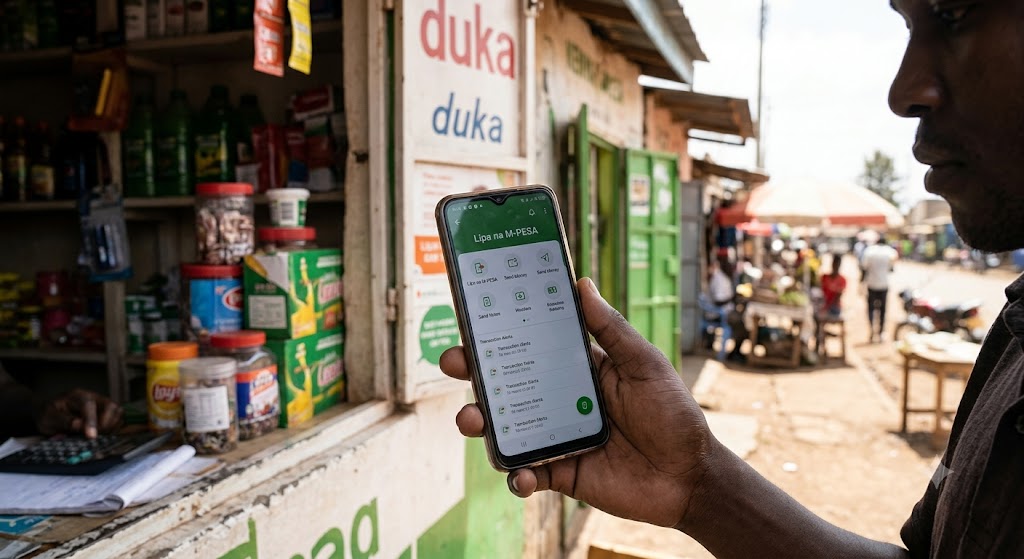
Without a clear boundary between everyday money and emergency cash, it is easy to spend health funds on routine expenses without noticing.
Medical emergencies require fast action and direct cash.
A peer-reviewed study published in November 2019, in BMJ Global Health highlights how unexpected health costs push families into hardship, noting that “entire households can be pushed or trapped into poverty or experience catastrophic expenditure due to payments required to receive needed health services.”
Having cash set aside specifically for medicine or clinic fees stops you from taking high-interest mobile loans or asking relatives for urgent help.
Easy steps to protect your health savings
Building a health buffer does not mean setting aside large amounts at once. Saving small sums like Ksh100 or Ksh200 every week builds a helpful cushion over a few months.
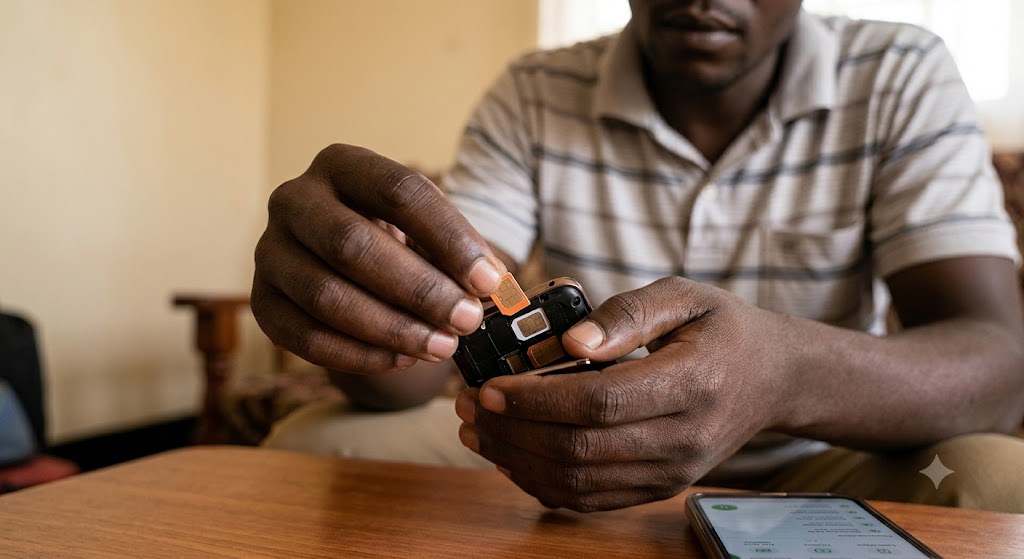
Moving these savings to a secondary SIM card, a separate mobile wallet, or a dedicated platform like M-Tiba keeps the money out of sight and safe from impulse spending.
A separate account also offers a backup plan if your main network experiences downtime or hits daily transaction limits. When a midnight emergency happens, having dedicated healthcare funds ready for instant transfer gives you complete peace of mind.
Taking this simple step keeps your household finances steady and ensures your family gets proper care whenever illness strikes.