Advertisement
Why monthly subscriptions may be costing you more than you realise
16th August, 2026 11:12 AM
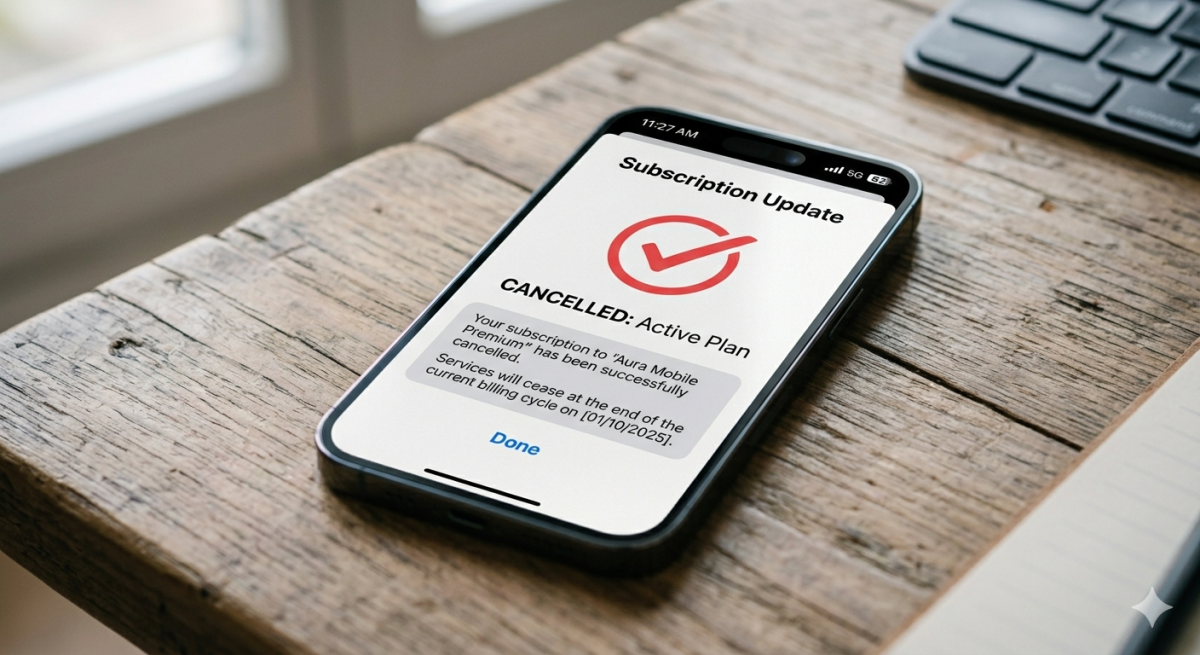
Monthly subscriptions have quietly become part of everyday life. From streaming services and cloud storage to fitness apps, online learning platforms and music subscriptions, many people now pay for several services without giving them much thought.
A few years ago, subscriptions were mostly limited to newspapers, television packages and gym memberships. Today, almost every digital service offers a subscription option, making recurring payments one of the most common spending habits.
The problem is that these payments often seem too small to attract attention. A charge of a few hundred shillings may not appear significant on its own, but several subscriptions combined can gradually place pressure on a household budget.
The psychology behind recurring payments
One reason subscriptions have become so popular is convenience. Once a payment method is saved, consumers no longer need to think about making future payments.
However, this convenience can also encourage people to lose track of their spending. Unlike a one-time purchase, subscription payments happen automatically, making them easier to overlook.
Many people sign up for free trials with the intention of cancelling before the first payment is processed. Unfortunately, daily responsibilities and busy schedules often mean that cancellation is forgotten.
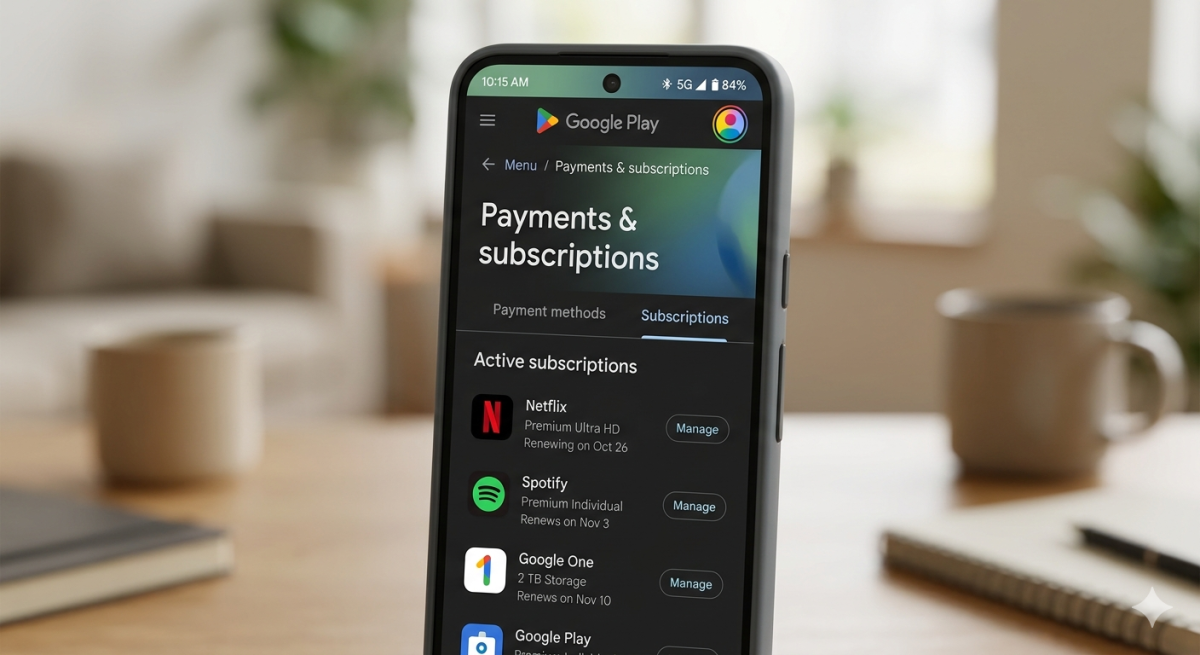
According to financial experts, many subscription services automatically renew unless users actively cancel them before the trial period ends. The agency warns consumers to read the terms carefully before signing up because free offers can quickly become paid services without much notice.
When entertainment becomes a financial burden
Streaming services provide one of the clearest examples of subscription growth. A household may pay for separate subscriptions for films, music, sports, cloud storage and gaming.
Individually, these services may seem affordable. Combined, however, they can create a significant monthly expense.
In many cases, consumers continue paying for services they rarely use. Some keep subscriptions simply because cancelling feels inconvenient. Others forget that the subscriptions exist until they review their bank statements.
Financial experts often advise consumers to think of subscriptions as fixed monthly expenses rather than optional spending. Looking at them this way makes it easier to understand their impact on a budget.
The hidden cost of unused services
The biggest financial risk is paying for services that no longer provide value.
A fitness application downloaded during a health challenge may remain active long after the challenge ends. A streaming platform subscribed to for one television series may continue charging long after the programme has been completed.
These overlooked payments can accumulate over several months.
Recent consumer reports have shown that many people spend money on subscriptions they rarely use. Rising living costs have also encouraged more households to review and cancel unnecessary recurring charges in an effort to reduce spending.
Reviewing subscriptions can save money
Managing subscriptions does not necessarily mean cancelling every service. Instead, it means identifying which subscriptions continue to provide genuine value.
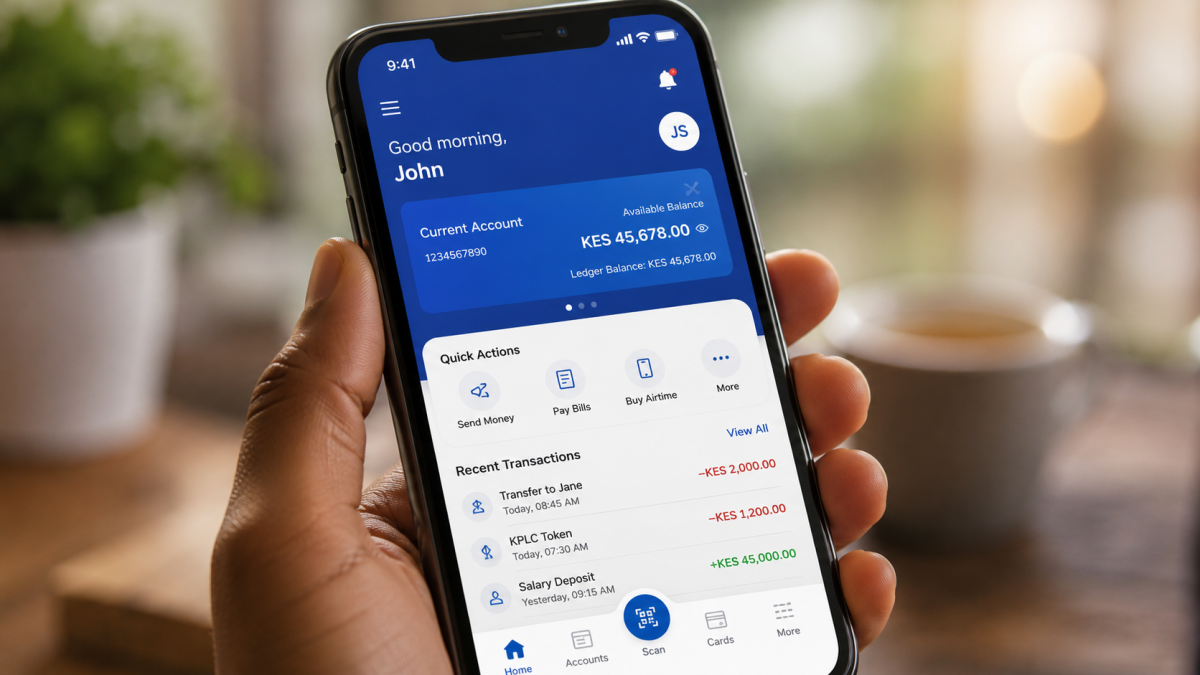
Reviewing bank statements every month can help identify forgotten payments. It can also reveal duplicate services that perform the same function.
Setting reminders before free trials expire can prevent unexpected charges. Some consumers also choose to review all their subscriptions every three months to determine whether they still need them.
Small monthly charges can easily disappear into the background of daily life. Yet over time, they can have a greater effect on personal finances than many people expect.
The difference between financial control and financial stress may sometimes come down to something as simple as checking where those automatic payments are going.