Ways fathers shape their children’s relationships with money
By Dan Kauna, June 18, 2026Long before the introduction of modern banking applications and digital wallets, a father’s day-to-day choices were what set the financial standard for his children.
Substantial research shows that paternal financial behaviour is a powerful predictor of how adult children handle money.
The way a father managed his income, whether he paid bills on time, gambled, gave generously, or was too proud to seek help, sets a psychological template.
Understanding this inheritance reveals the true origin of specific spending and saving choices.
The power of financial example
Fathers heavily shape how children view risk, debt, and security.
A study in the Journal of Consumer Affairs confirms that “parents’ financial behavior affects that of their children both directly and indirectly through general self-control skill development.”
When children grow up seeing a father who prioritises saving and clears bills on time, they build the self-regulation necessary to manage their own money later in life.
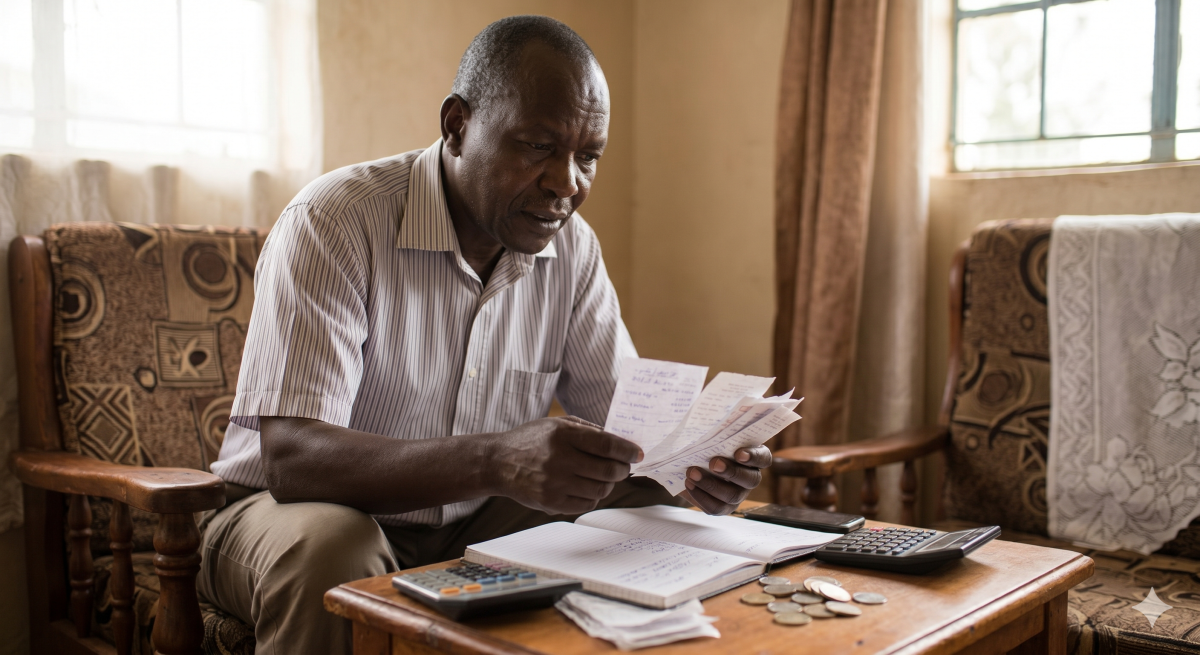
Growing up around a father who gambled or hid financial distress creates a highly unstable relationship with cash. This environment often leads adult children to alternate between severe money anxiety and reckless spending.
Similarly, a proud father who refused to ask for assistance teaches a silent lesson that financial burdens must be carried alone, which frequently causes adult children to hide their debts from partners.
Changing your money story
Recognising these patterns is the first step toward building financial security.
Peer-reviewed research published in the Journal of Family and Economic Issues highlights that “parents’ financial preparedness for retirement can impact the younger generation’s retirement choices and that family financial socialization continues into adulthood.”

This means long-term saving habits are deeply tied to the financial actions witnessed during childhood.
For an everyday Kenyan trying to budget Sh20,000 or invest Sh100,000, unlearning poor habits is entirely possible. Nobody is locked into repeating the cycles of a generous but broke father, or a secretive one.
Acknowledging where these money habits originate allows individuals to actively choose better practices, balance their budgets, and secure their financial future.