The difference between wealth, riches and income that most people miss
By Katemarthason Okudo, August 11, 2026Money is often measured by how much a person earns, but income is only one part of the financial picture. Someone can earn a good salary, drive an expensive car and afford a comfortable lifestyle, yet have little wealth built up behind the scenes.
This is where the difference between income, riches and wealth becomes important. The three words are often used interchangeably, but they describe different financial situations.
Income is the money coming in
Income is the money a person receives from work, business, investments, property or other regular sources. For an employee, this could be a monthly salary. For a business owner, it could come from profits. A person may also receive income through rent, dividends, pensions or other investments.
According to the OECD, household income includes wages and salaries, income from self-employment, pensions, social benefits and financial investments, after taking into account certain taxes and other payments.
The important thing about income is that it is a flow. It comes in over a period of time and can be used for spending, saving or investing.
This means earning Ksh100,000 every month does not automatically make someone wealthy. If most of that money goes towards rent, loans, school fees, entertainment and other expenses, there may be little left to build long-term financial security.
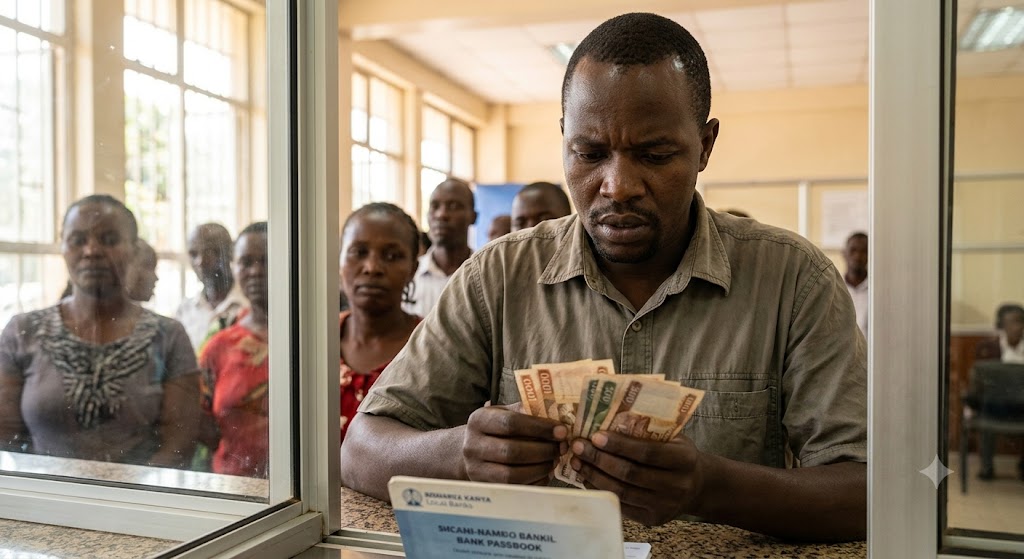
Riches can be about what you can afford today
Being rich is commonly associated with having plenty of money to spend. A person with a high income and expensive possessions may therefore appear rich because they can afford a lifestyle that many people cannot.
A person could have a large monthly income but also have significant debts and little savings. Another person could earn less but own a home, have investments and carry very little debt.
This is why a high-income lifestyle should not automatically be confused with financial wealth. Riches, in everyday language, are often about having access to money and enjoying its benefits. Wealth goes deeper because it looks at what remains after debts are considered.
Wealth is what you build and keep
Wealth is generally measured through assets and liabilities. The OECD defines household net worth as the difference between the total value of assets and outstanding liabilities.
Assets can include property, savings, investments, pension holdings and ownership in businesses. Liabilities include debts and other financial obligations.

For example, someone who owns property worth Ksh5 million but has a Ksh3 million outstanding loan does not have Ksh5 million in net wealth from that property. The debt has to be considered when looking at the person’s financial position.
Wealth represents the stock of economic resources held at a particular point in time. Unlike income, which can change from one month to another, wealth shows what a person has accumulated over time.
The difference matters when planning for the future
Income can help create wealth, but the two are not the same thing.
A person with a modest income can gradually build wealth by controlling expenses, reducing expensive debt and putting part of their income into assets. On the other hand, a high earner can struggle to build wealth if spending continually rises with income.
The Federal Reserve’s Survey of Consumer Finances also collects information on household income, balance sheets and pensions, showing why income and accumulated assets are treated as separate parts of a household’s financial position.
The real financial question, therefore, is not simply how much money comes in every month. It is also what happens to that money after it arrives.
Income pays today’s bills. Riches may provide today’s comfort. Wealth, however, is built through what a person owns, what they owe and what they are able to preserve and grow over time.