Advertisement
How to generate extra income from your car
06th June, 2026 03:52 PM

Owning a car in Nairobi is expensive. Fuel prices, insurance, and mechanical service costs add up quickly. But that personal car sitting in your parking lot can actually pay for itself and put extra money in your pocket.
But by using trusted digital platforms, Kenyan car owners are turning their vehicles into steady passive income streams without quitting their main jobs.
The driver-partner route and digital car rentals
The most common way to make cash is putting your car on ride-hailing apps through a hired driver.
A study on transport markets notes that “Uber and Bolt dominate the RHS landscape in Nairobi,” making it easy to find consistent customers.
In this setup, a vetted driver pays a fixed daily target of Ksh1,500 for six days a week, bringing in Ksh36,000 gross every month.
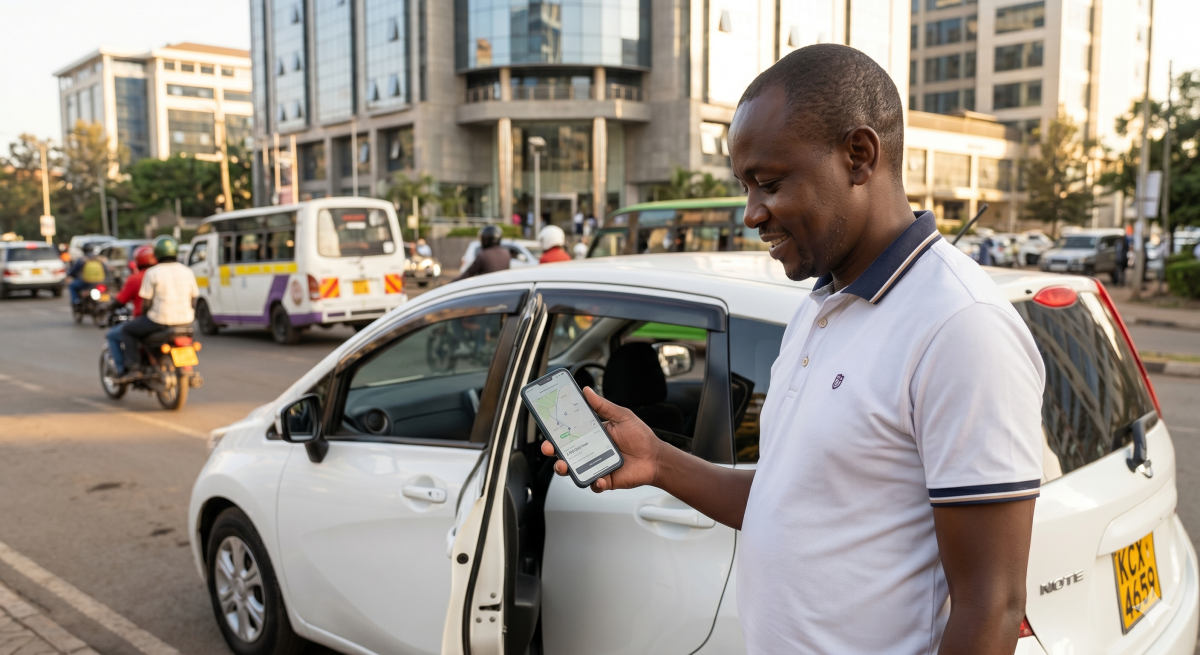
The math makes total sense. Commercial Public Service Vehicle insurance costs about Ksh5,000 monthly, and routine maintenance takes Ksh2,000. Since the driver buys their own fuel, the owner takes home a clean Ksh29,000 monthly net profit.
If managing a driver feels like too much work, peer-to-peer car rental apps are a great alternative.
Listing a clean hatchback for local hire costs about Ksh3,500 per day. Renting it out for just ten days a month brings in Ksh35,000.
After subtracting Ksh6,000 for specialised car hire insurance and a small service fund, you keep Ksh29,000 without dealing with daily traffic drama.
Moving to two wheels for easier profits
Some car owners choose to branch out by investing in the motorbike market. Buying a brand-new boda boda for about Ksh140,000 and leasing it out is a low-cost way to build a secondary income stream.
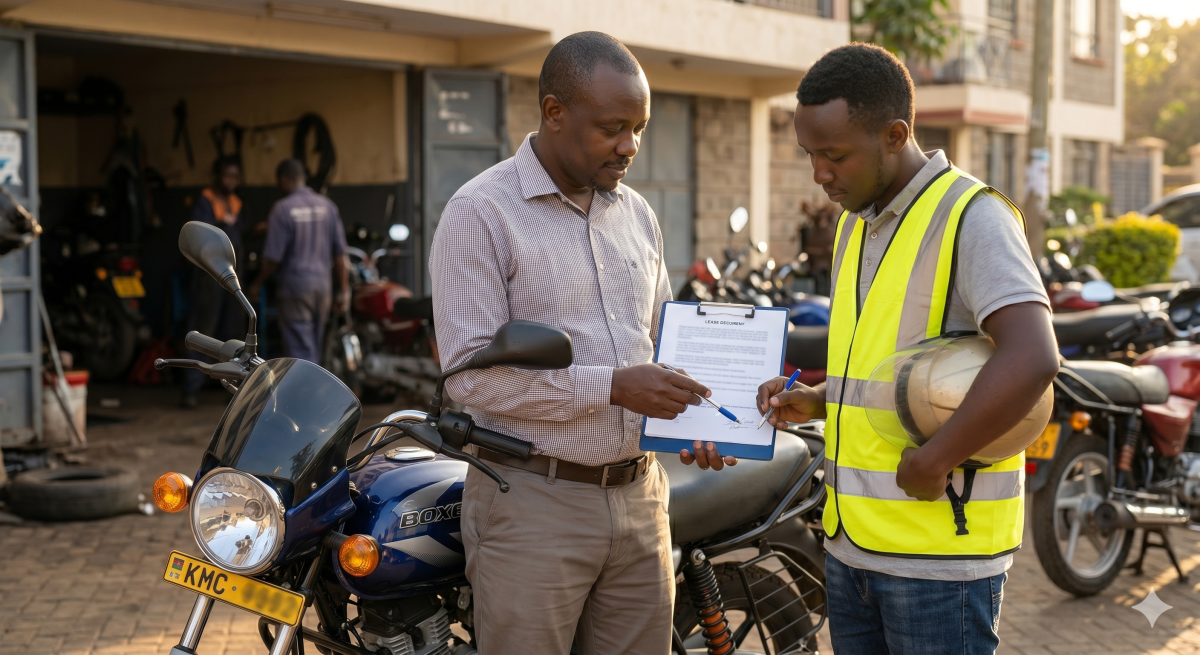
Riders usually pay a daily lease of Ksh350 for six days a week, which adds up to Ksh2,100 weekly or Ksh8,400 monthly. The rider fuels and services the bike, meaning the owner only covers third-party insurance and a GPS tracker for Ksh1,000 monthly. This leaves a neat Ksh7,400 profit per month.
Research proves that these digital and leasing models work because of rider motivation.
A recent global transport report highlights that “the flexible nature of platform work enables drivers to work substantially more than the full-time equivalent, generating higher monthly net earnings than low-skill or casual employment.”
This drive keeps the wheels moving and ensures the vehicle owner receives a reliable, stress-free payout every single week.