Advertisement
The cost of ignoring filing tax returns: Financial lessons Kenyans can learn before KRA deadline
09th June, 2026 09:05 AM
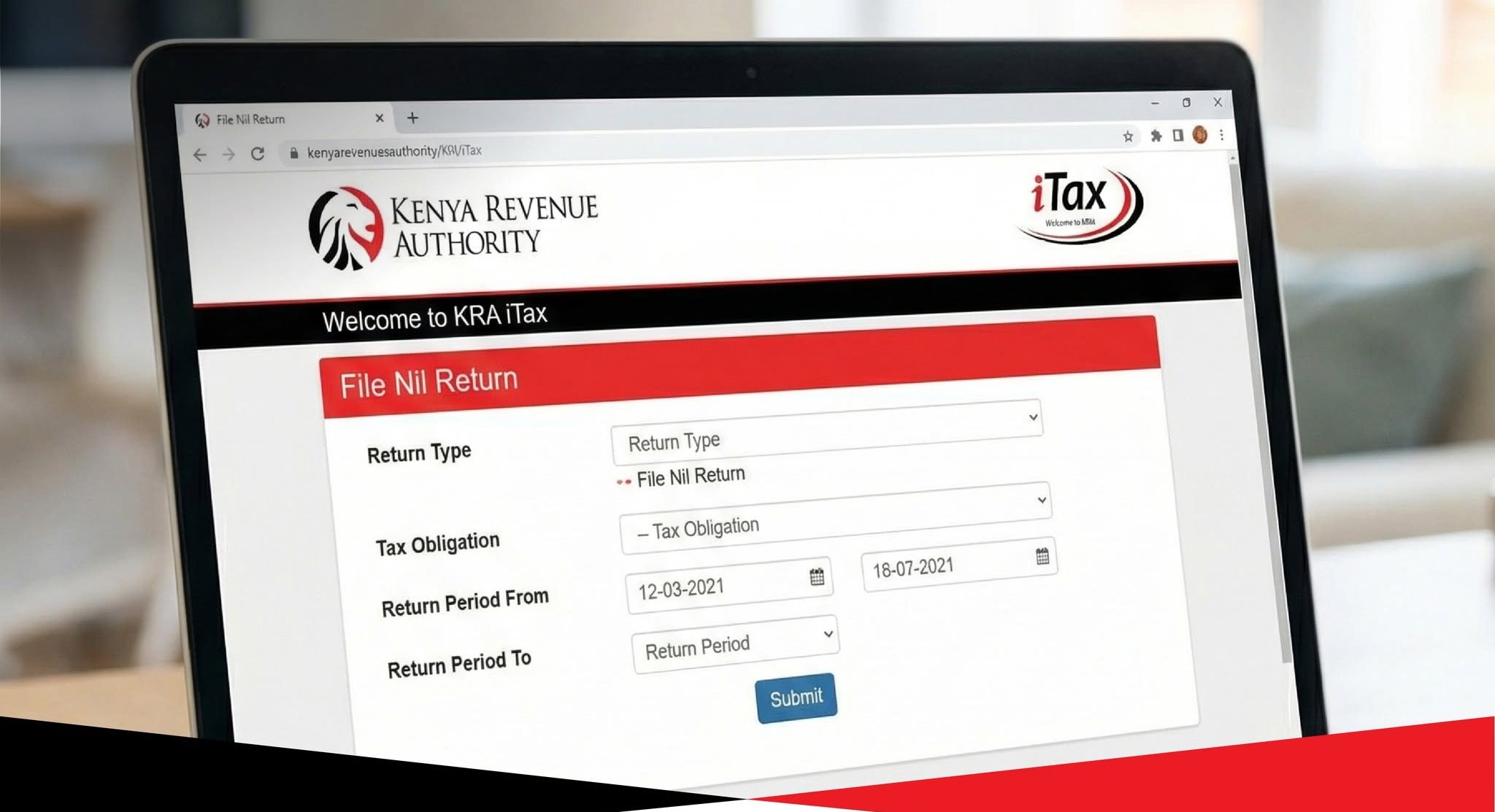
As the June 30, 2026, deadline for filing income tax returns draws closer, many Kenyans are being reminded that tax compliance is not just a legal obligation but also an important financial habit.
According to a notice issued by the Kenya Revenue Authority (KRA), all taxpayers are required to file their 2025 Income Tax Returns by June 30, 2026. While tax filing is often viewed as an annual administrative task, financial experts say it can have a significant impact on personal and business finances.
Failure to file returns on time may expose taxpayers to penalties, default tax assessments, and unexpected financial obligations that could disrupt carefully planned budgets.
Avoiding unnecessary financial penalties
One of the biggest risks of ignoring tax returns is the possibility of financial penalties and additional assessments. KRA has warned that taxpayers who fail to submit their returns by the deadline may receive default tax assessments.
This means that the tax authority can estimate an individual’s or business’s tax liability based on available information. In some cases, the amount assessed may be higher than what a taxpayer would have declared through proper filing.
For many households, an unexpected tax demand can affect monthly budgets, savings plans, and other financial commitments. Money that may have been set aside for school fees, rent, investments, or emergencies could instead be redirected toward settling tax obligations.
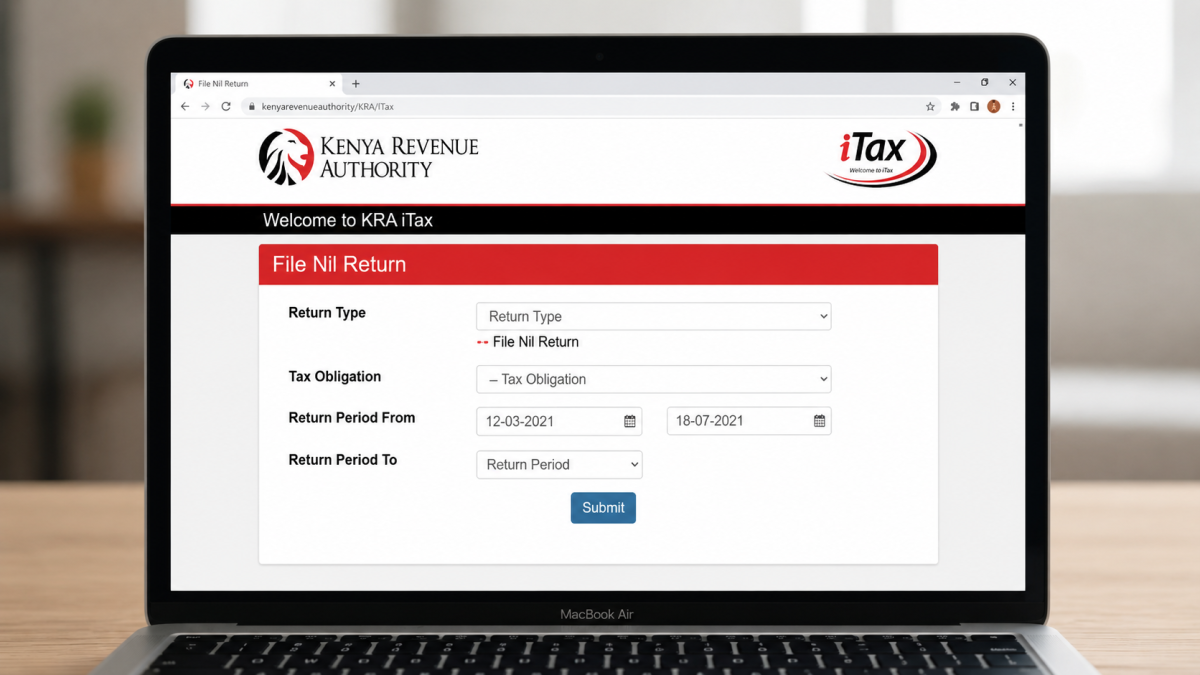
Timely filing helps taxpayers stay informed about their tax position and avoid avoidable costs that can accumulate over time.
Better record-keeping leads to smarter money management
The latest tax reminder also highlights the importance of maintaining accurate financial records throughout the year.
Keeping track of income, expenses, and financial transactions makes the filing process easier and reduces last-minute pressure. For business owners, organized records can provide a clearer picture of profitability and spending patterns.
Good record-keeping is also a valuable personal finance habit. It helps individuals understand where their money is going, identify unnecessary expenses, and make informed decisions about future spending.

The temporary relief on certain business expenses announced by KRA further demonstrated why maintaining proper records is important. Businesses that keep accurate documentation are often better positioned to benefit from available tax provisions and incentives.
Tax compliance as part of financial planning
Financial planning is often associated with saving, investing, and budgeting. However, tax compliance is equally important.
Filing returns on time allows individuals and businesses to plan their finances with confidence. It reduces the risk of unexpected liabilities and ensures that tax matters do not become a source of stress later in the year.

As the June 30 deadline approaches, taxpayers are being encouraged to review their records, confirm their information, and complete the filing process early. Waiting until the last minute can increase the chances of errors and unnecessary complications.
Ultimately, timely tax filing is more than a compliance requirement. It is a financial discipline that can help Kenyans protect their income, avoid surprise expenses, and maintain greater control over their money.