Advertisement
Joint accounts vs sepmo finances: What works better for couples
20th July, 2026 11:52 AM
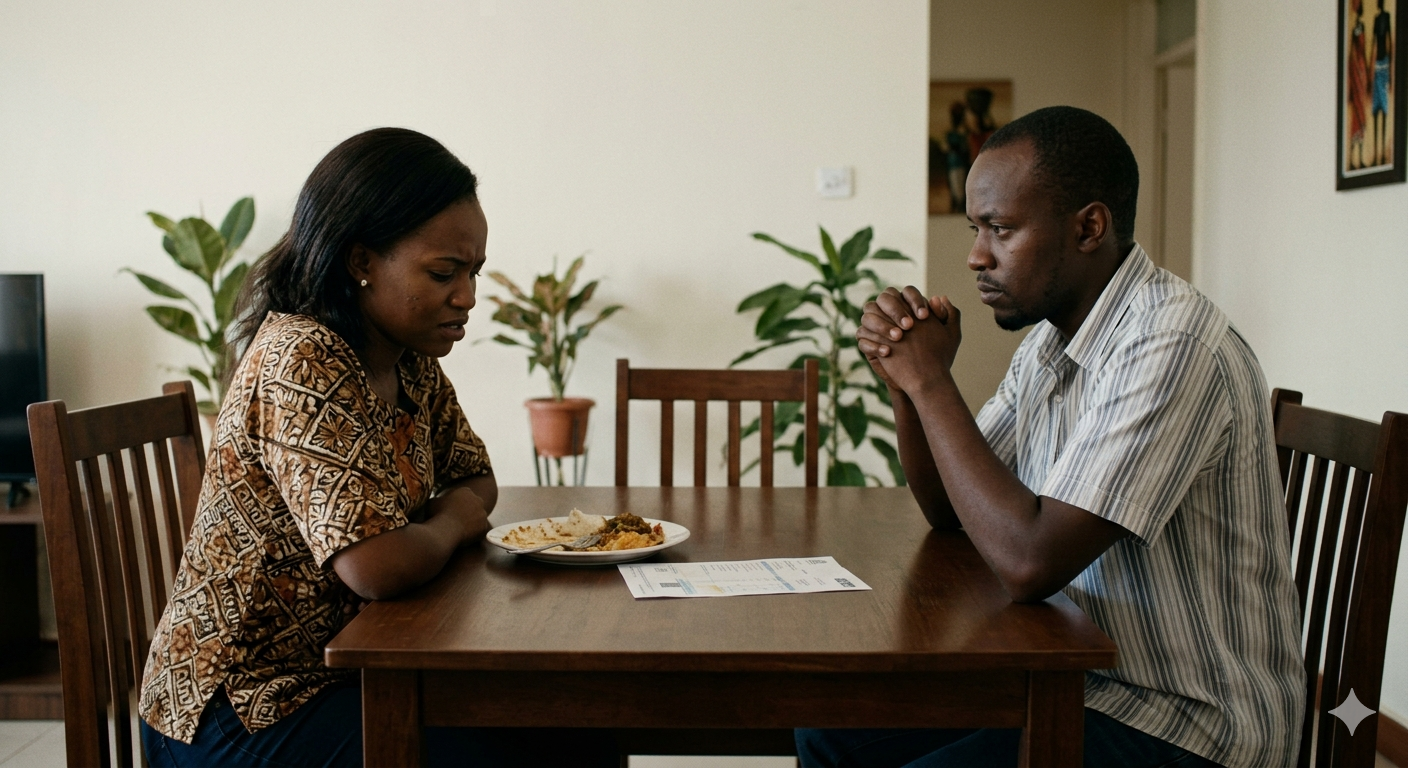
Money is one of the most sensitive topics in any relationship. While love may bring two people together, managing finances is often where important decisions begin. One of the biggest questions many couples face is whether to combine their money into a joint account or keep separate finances.
The truth is that there is no single answer that works for everyone. Financial experts say the best option depends on factors such as trust, income levels, financial goals and how each partner prefers to manage money. What matters most is having honest conversations and agreeing on a system that supports both people.
According to MoneyHelper, there is no right or wrong way to manage money as a couple, provided both partners communicate openly and agree on how their finances will work.
The advantages of a joint account
A joint account allows both partners to access and manage the same money. It can make paying household bills, rent, school fees and other shared expenses much easier because everything comes from one place.

Joint accounts encourage openness since both partners can see deposits, withdrawals and spending. This can reduce confusion over who is responsible for paying certain bills and make budgeting for shared goals, such as buying a home or planning a holiday, much simpler.
For couples who have been together for many years or have children, a joint account may also create a stronger sense of teamwork. Instead of dividing every expense, both partners contribute towards shared responsibilities.
However, Investopedia notes that joint accounts require trust and regular communication. If one partner spends more than expected without discussing it, disagreements can quickly arise.
Why some couples prefer separate finances
Keeping separate bank accounts is becoming increasingly common, particularly among couples who both earn an income. Each person remains responsible for their own account while contributing an agreed amount towards shared expenses.
This arrangement allows both partners to maintain financial independence. It also gives each person the freedom to make personal purchases without feeling they need permission or explanation.
According to the Consumer Financial Protection Bureau (CFPB), maintaining open discussions about spending, budgeting and financial responsibilities can help couples avoid misunderstandings regardless of how they organise their accounts.

Separate finances can be especially useful for couples who entered the relationship with existing savings, businesses or financial commitments. It also reduces the chances of arguments over day-to-day spending habits.
A blended approach is gaining popularity
Many financial experts say couples do not have to choose one option over the other. Instead, a growing number are adopting a hybrid system.
Under this arrangement, each partner keeps a personal account while also contributing to a joint account used only for shared expenses such as rent, groceries, utility bills and family savings.
This approach offers both independence and cooperation. Personal spending remains private, while household responsibilities are managed together. It can also make it easier to save for major milestones without either partner feeling they have lost control over their own finances.