How to spot Chama fraud before your hard-earned savings vanish
By Dan Kauna, July 9, 2026Chamas are the financial engine of millions of Kenyans. From simple merry-go-rounds to big investment groups, these circles help people buy land, pay school fees, or build businesses.
However, a major challenge facing these groups is internal fraud. This occurs when a treasurer or a small clique of members quietly mismanages group money.
It is one of the most common financial crimes, yet it goes unreported because people prefer not to drag friends or family to court.
The warning signs members often ignore
Fraud rarely starts with empty bank accounts. Instead, it begins with small changes in how leaders handle records. A major red flag is the frequent delay of financial updates. A treasurer might give endless excuses about missing bank statements or unprinted receipts during monthly meetings.
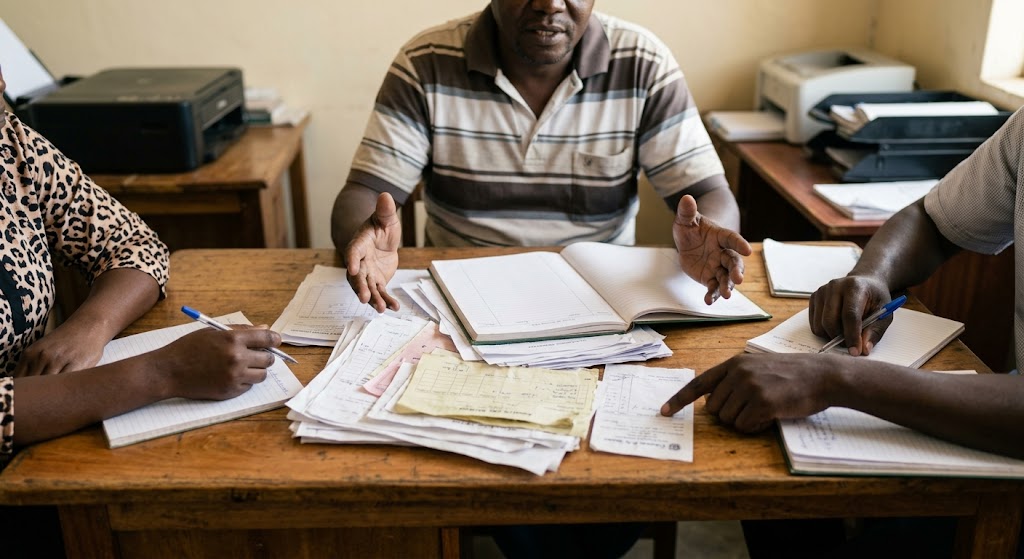
Another common trap is the creation of phantom investments, where officials convince the group to fund unregistered plots or ghost businesses. Self-lending is equally widespread.
This happens when custodians secretly take interest-free loans from the pool without approval, perhaps borrowing with intentions to pay it back before anyone notices, only for the gap to grow too large.
These habits thrive because many informal groups operate entirely on trust rather than clear structures. In a peer-reviewed study analysing Kenyan investment groups, Lillian Omosa noted that informal chamas “primarily operate on trust” and struggle with a “lack of recordkeeping and other requirements”.
When members fail to inspect the books regularly, dishonest officials easily exploit this weakness.
Governance steps that protect your wealth
Stopping theft requires moving away from blind trust towards solid tracking methods. First, groups must ensure that financial control does not lie with a single individual.
Every chama needs a formal bank account that uses strict dual-signatory or triple-signatory rules, meaning no one can withdraw cash alone.

Bringing in regular third-party audits, even from local accountants, keeps the records clean and clear. If a group uncovers theft, clear legal options are available.
For instance, if a chama discovers a loss, officials should immediately gather the group’s bank statements and ledger tracks. Registered groups can sue rogue members for breach of trust or report fraud directly to the police under the Penal Code.
Taking these steps keeps the collective savings safe and preserves the true spirit of community investment.