Advertisement
How chamas are still helping Kenyans save and invest
12th May, 2026 01:07 PM
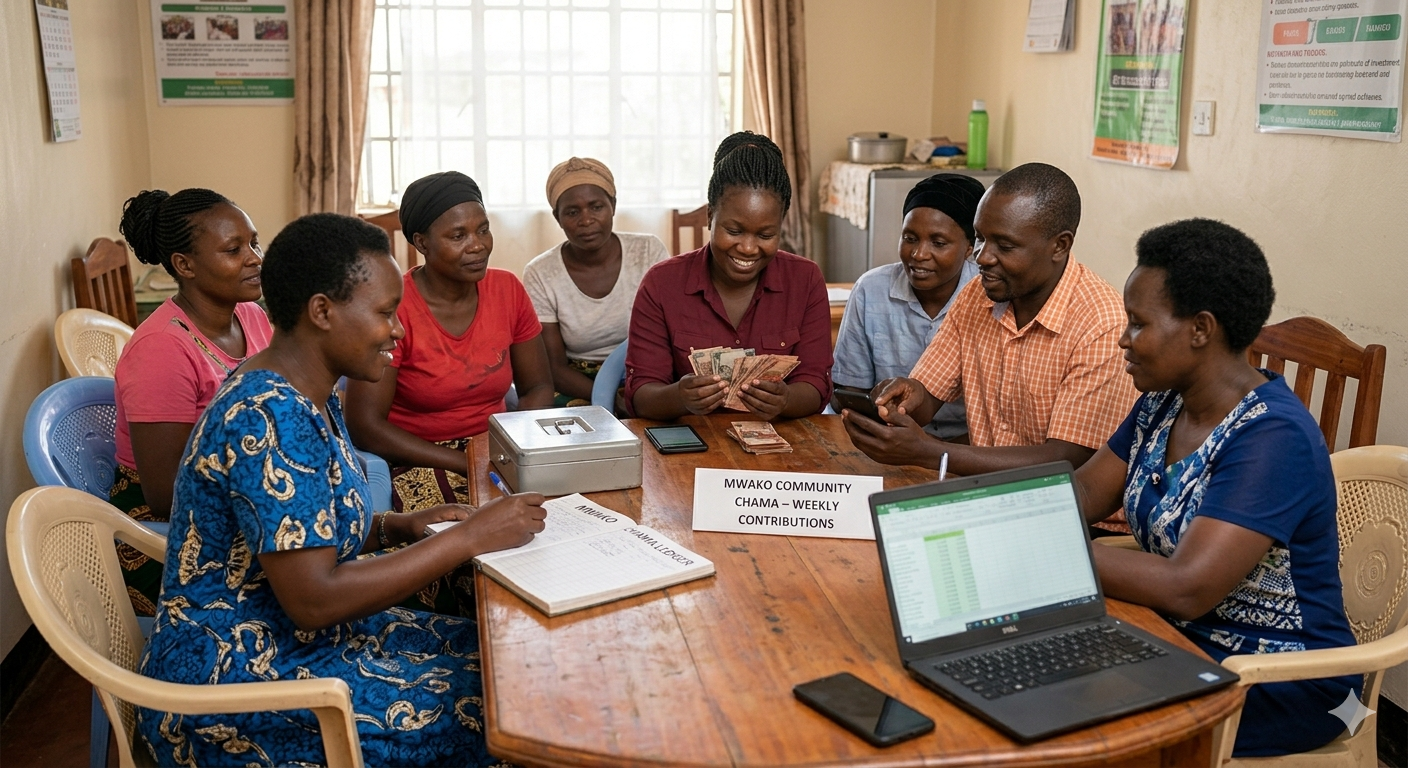
In many Kenyan homes, the idea of saving money alone can feel difficult, especially with rising household expenses and unexpected financial demands. This is why chamas continue to stand out as one of the most practical financial tools for ordinary Kenyans.
Why chamas continue to thrive
For years, chamas have helped people store resources, access funds quickly, and invest in opportunities that might otherwise be difficult to achieve individually. According to financial literacy guidance, structured group saving creates financial discipline by encouraging consistency and accountability.
Unlike personal savings, which can easily be interrupted by daily spending needs, chama contributions often come with a shared sense of responsibility. Knowing that others are depending on your contribution creates discipline that many people find difficult to maintain when saving alone.
The power of collective saving
One of the biggest reasons chamas remain powerful is their ability to turn small contributions into meaningful capital. Research by the World Bank shows that community-based savings groups help households build resilience and improve financial inclusion by making money management more accessible.
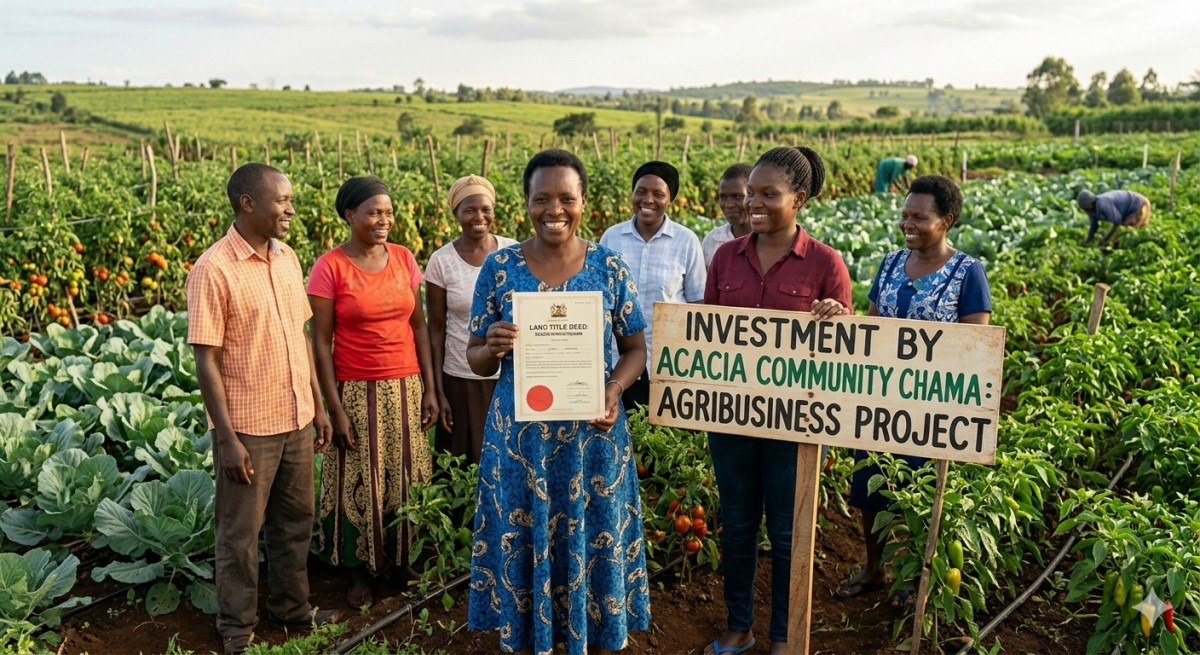
For many Kenyans, a few hundred or a few thousand shillings contributed monthly may not seem like much. But when combined across several members, these amounts can finance significant investments such as land purchases, agribusiness projects, school fees, business startups, or emergency support.
Why some chamas fail
Even with their benefits, not every chama succeeds. Many groups collapse because they are formed casually without a clear plan. Financial experts supported by guidance from the Capital Markets Authority noted that poor record-keeping, weak leadership, and lack of transparency are among the leading reasons investment groups break down.
In some cases, disagreements over money management create mistrust. In others, members lose commitment when expectations are unclear from the start. A chama built only around friendship or social pressure often struggles to survive once financial challenges arise.
How to make your chama work
The first step to building a successful chama is defining its purpose. A group should know exactly what it wants to achieve, whether it is emergency savings, short-term payouts, or long-term investment growth. A clear goal gives members direction and keeps everyone focused.
Written rules are equally important. These should show monthly contributions, deadlines, penalties for late payments, borrowing terms, and conflict resolution procedures.Transparency also matters. Many successful groups now use mobile money records, digital tracking tools, and regular financial updates to ensure every transaction is visible to all members.
Think beyond the rotation
While rotating payouts are helpful, financial experts encourage groups to think bigger. Savings can be directed toward investments that generate long-term returns. This could include real estate, small businesses, or unit trusts. Collective investment works best when backed by trust, planning, and discipline.
For the average Kenyan, a well-managed chama remains more than just a savings circle. It is a practical pathway to financial growth, proving that small, consistent contributions can create lasting economic progress when people work together.