Advertisement
How to start a chama that grows wealth, not just circulates it
14th May, 2026 12:29 PM
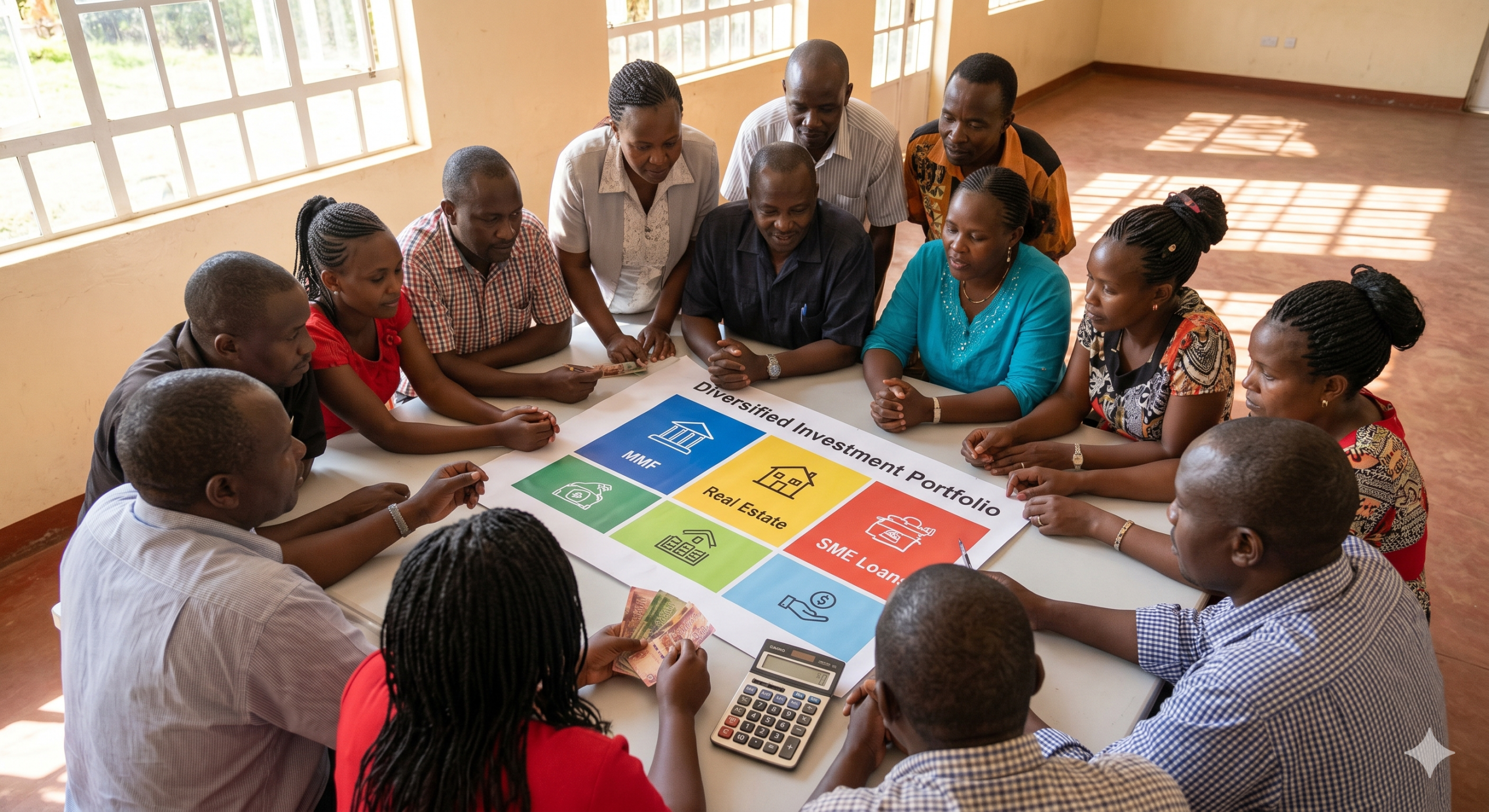
There are an estimated 300,000 chamas (informal savings groups) in Kenya, many of them cycling the same money between members year after year without growing it.
The merry-go-round model has its place, it builds discipline and social bonds, but if your group has bigger ambitions, the structure you put in place from day one will determine whether your chama is still thriving a decade from now.
The gap between a group that generates real returns and one that stagnates is rarely about how much members contribute. It comes down to governance.
Before a single shilling changes hands, write down what you want
Sit down as a group and agree on what you are actually building. Is the goal to buy land collectively? Put money in a money market fund? Develop a rental unit? Lend internally at interest?
Write it down.
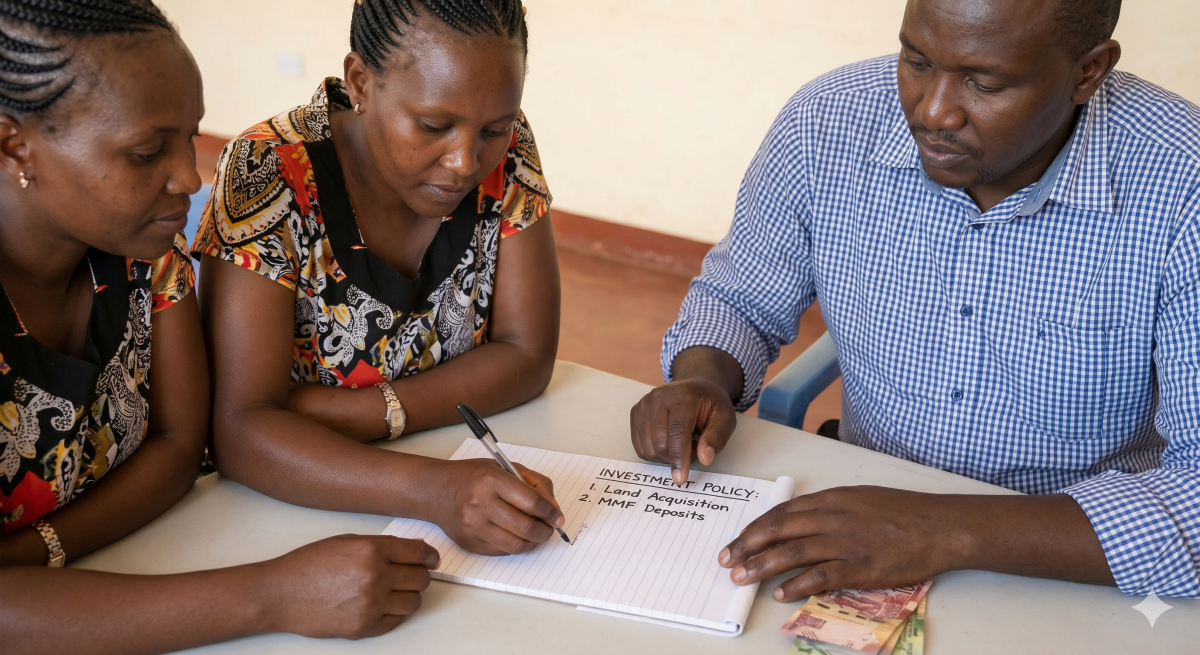
A one-page investment policy statement (covering your target assets, minimum return expectations, and how decisions get made) is the most powerful tool a chama can hold.
It turns ambitions into accountable targets and gives you something to return to when members disagree on direction.
You should also decide, at this stage, who the group is for. Some of the most successful chamas deliberately limit membership to people in similar income brackets, because shared financial context cuts friction when it comes to investment decisions.
The structural decisions that actually matter
The first rule: separate the chair from the treasurer. A 2025 study published in the African Journal of Economic and Sustainable Development found that keeping those two positions distinct measurably increases what members are willing to save.
The researchers concluded that “low-cost accountability initiatives such as securing chama funds in a bank account, and the separation of the chama chair and treasurer positions increase chama contributions.”
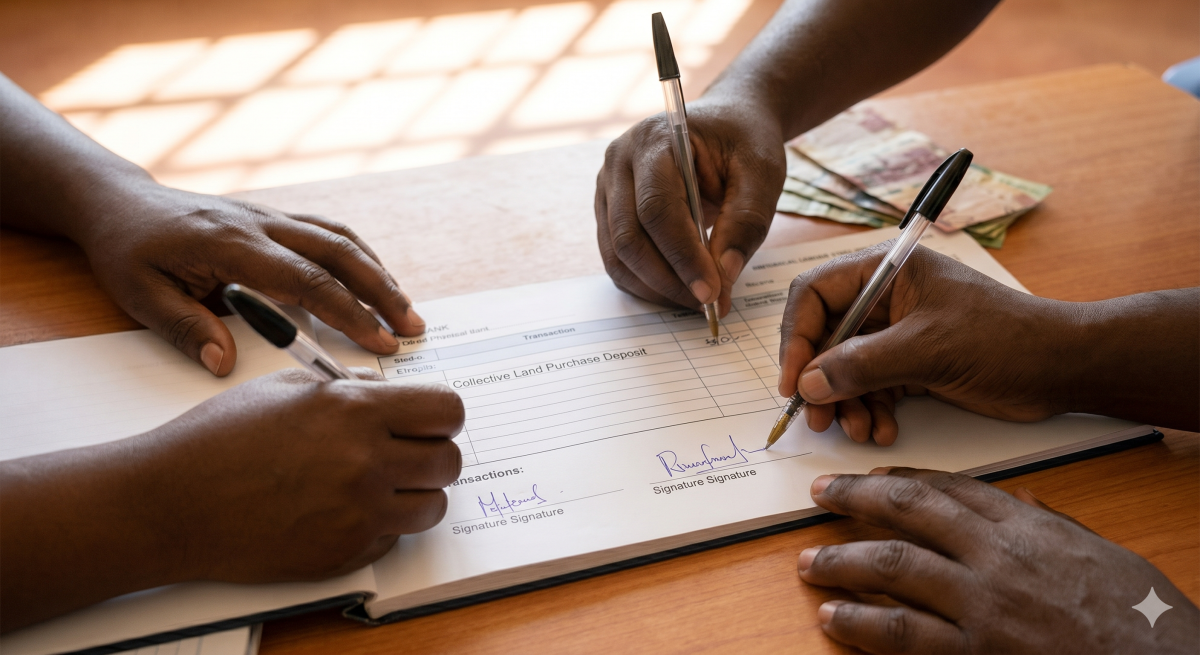
When one person controls both governance and money, the group is one bad month away from a crisis. Two signatories required on every transaction is the floor, not the ceiling.
The second rule: build in external oversight early. Annual audits feel like overkill for a group collecting Ksh 5,000 per member per month. They are not.
An independent review of the books, even a modest one from a certified accountant, changes the culture of the group. Members take minutes more seriously. Treasurers keep cleaner records.
And when a dispute arises, which in every long-running chama it will, you have documentation to fall back on.
The third rule: stop thinking of the rotation as the product. Cycling the pot is useful for short-term cash flow, but it does not build group wealth; it merely redistributes individual wealth.
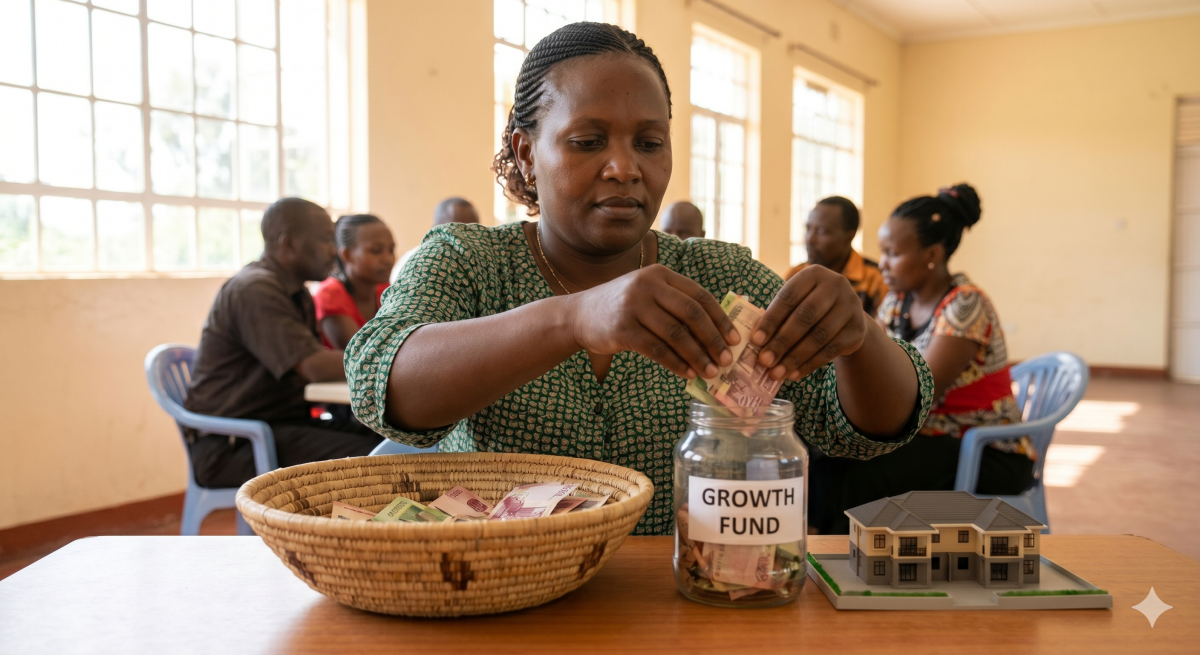
A chama that wants to grow collectively must reinvest a share of earnings into a pooled asset.
Research published in the Journal of Development Studies in 2025, drawing on data from community-based financial groups, found that “the more efficiently funds are used and the higher the returns on savings, the more groups sustain their operations in the long run, irrespective of the absolute amount of savings per member.”
How you deploy money matters more than how much you collect.
The strongest chamas in Kenya right now are not the biggest or the oldest. They are the ones that wrote down their rules before they needed them, separated power from day one, and treated the treasurer’s records with the same seriousness as a small company’s accounts.
Start there, and the merry-go-round becomes a launchpad, not a ceiling.