How to set up a sinking fund for rent deposits and school fees
By Dan Kauna, September 23, 2026Big annual expenses often feel like sudden financial shocks, even when you know they are coming. School fees, annual rent increases, insurance premiums, and festive season travel return every year, yet they consistently catch monthly budgets off guard.
An emergency fund protects against unpredictable life disruptions like medical bills or sudden job loss. A sinking fund handles expected, non-negotiable costs by breaking a large future bill into small, manageable monthly payments over time.
Setting up a sinking fund keeps major obligations from disrupting your regular household budget.
Academic research on household savings behavior confirms that “individuals are more likely to save when goals are clearly defined and broken into manageable time frames”.
Step 1: Calculate exact targets and monthly contributions
Start by listing your predictable major costs for the next 12 months. Write down the precise target amount and the exact date each payment is due.
Dividing the total cost by the number of months remaining gives you your monthly contribution target. For example, if you need Ksh60,000 for January school fees and you start planning in March, you have 10 months to save.
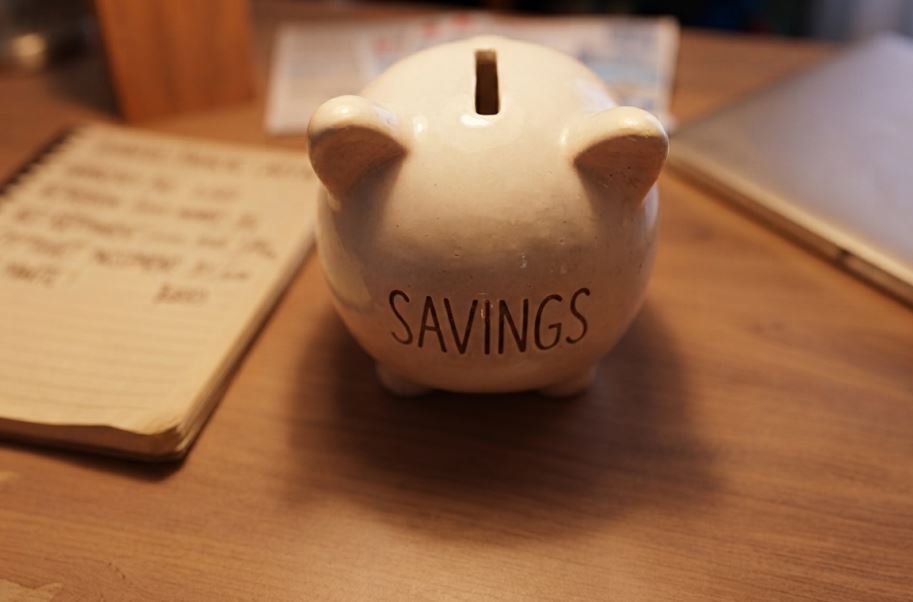
Dividing Ksh60,000 by 10 gives a clear target of Ksh6,000 per month.
If you need a Ksh120,000 house move deposit in 12 months, set aside Ksh10,000 every payday.
Treat these contributions as fixed monthly utility bills to ensure the funds accumulate steadily without relying on leftover cash at the end of the month.
Step 2: Separate funds and automate contributions
Mixing target savings with daily transaction balances often leads to accidental spending. Keep sinking funds completely separate from your everyday current account or primary mobile wallet.
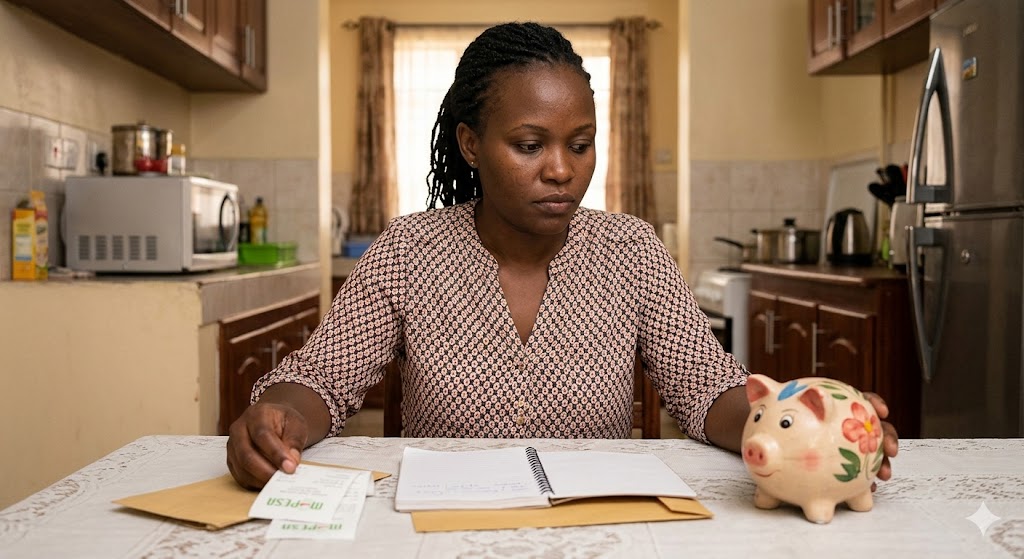
High-yield savings accounts, money market funds (MMFs), or dedicated digital micro-savings vaults work best. MMFs offer easy liquidity while keeping capital safe and earning compound interest above regular bank deposit rates.
Automate the process by setting up a standing order from your bank or an automatic deposit from your mobile money account on payday. Once automated, the money moves straight into your designated fund before lifestyle spending occurs.
When the bill arrives, pay it directly from the fund, leaving your main income completely intact for ordinary monthly living costs.