Advertisement
Documents you should keep after filing your tax return
30th June, 2026 08:30 AM
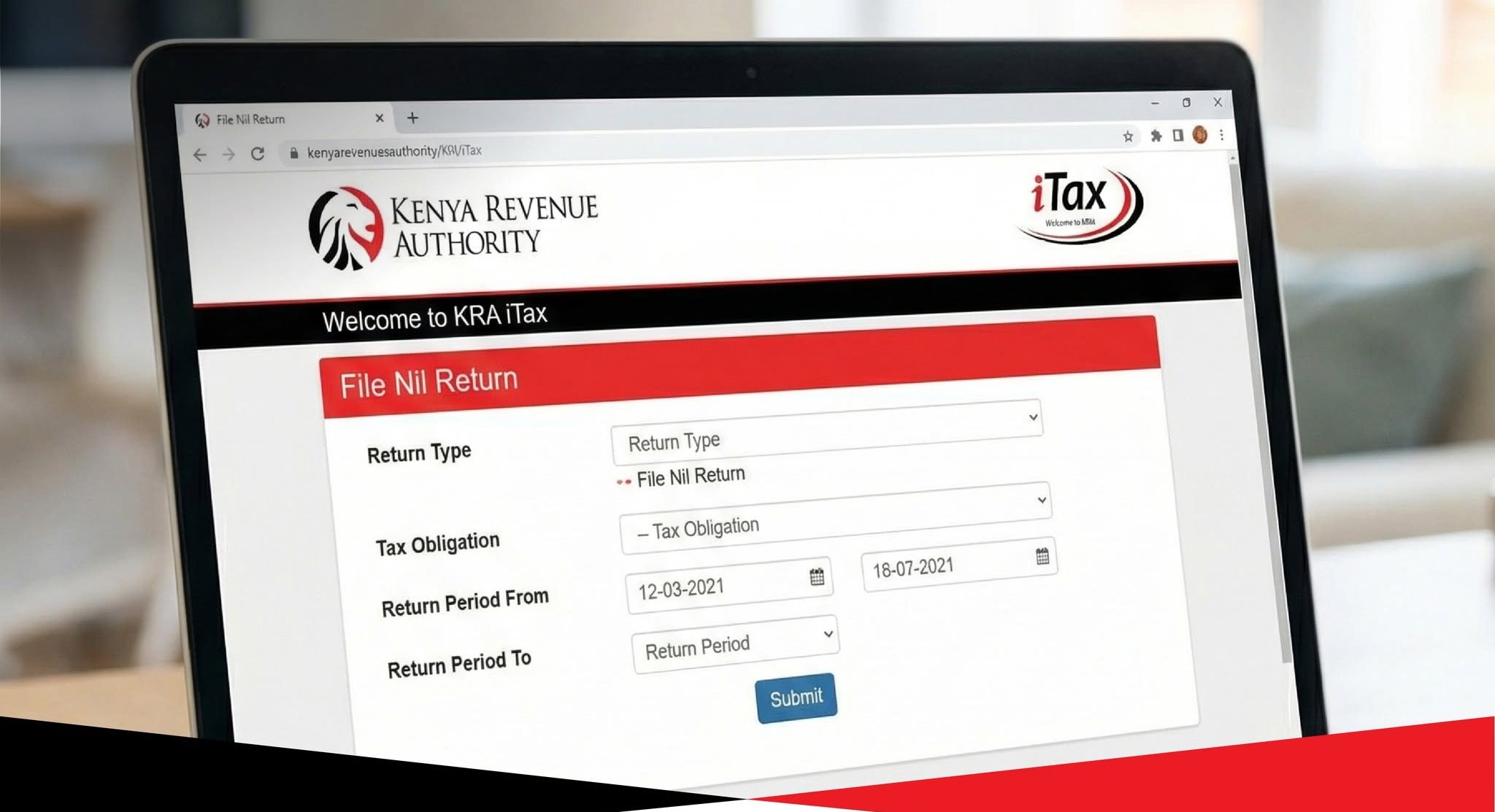
Filing an income tax return is often seen as the final step in meeting annual tax obligations. However, financial planning does not end once the return has been submitted. Keeping the right documents after filing can save taxpayers from unnecessary stress if they need to verify information, respond to tax queries or manage their finances in the future.
According to the Kenya Revenue Authority (KRA) statement on the Income Tax Return Filing Deadline, all taxpayers were required to file their 2026 Income Tax Returns by June 30, 2026. The authority also reminded taxpayers that failure to file by the deadline could result in default tax assessments and other penalties. The notice further highlighted temporary relief on eligible business expenses, reinforcing the importance of maintaining proper financial records.
For individuals and business owners alike, filing a return should be followed by organising and safely storing important tax documents.
Keep a copy of your filed tax return
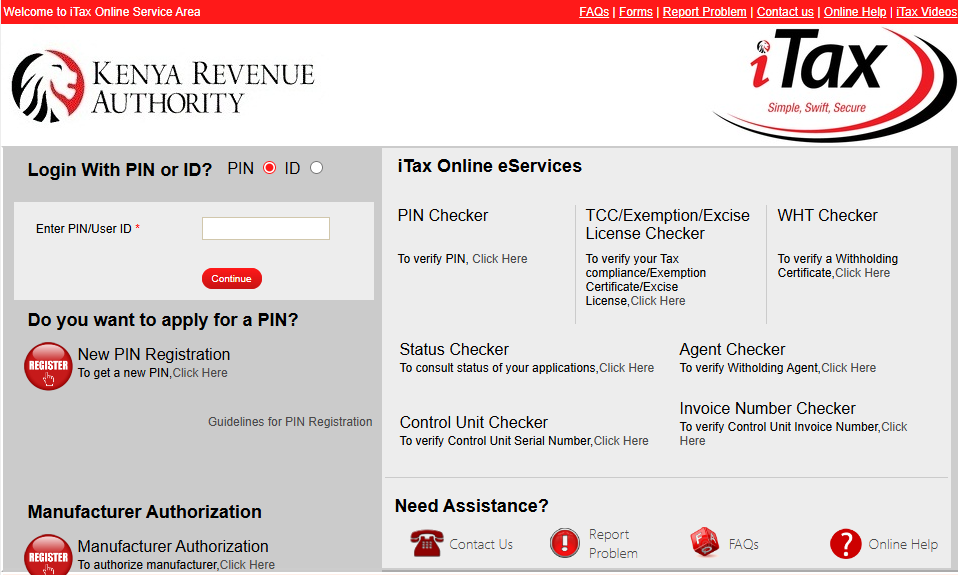
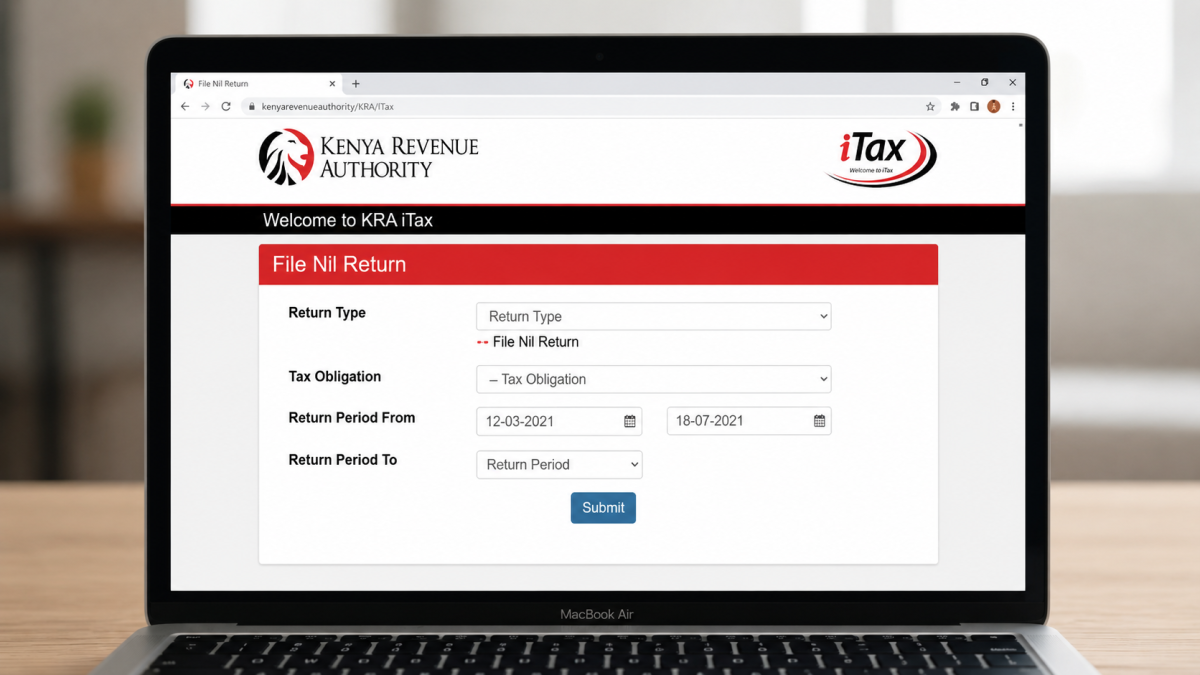
The first document every taxpayer should retain is a copy of the filed income tax return. Whether it is downloaded from the iTax system or saved digitally, this document serves as proof that the return was submitted.
A copy of the return can be useful when applying for loans, renewing compliance documents or responding to any future tax enquiries. Having it readily available also makes it easier to prepare the next year’s return because previous declarations can be used as a reference. This guidance is consistent with the Kenya Revenue Authority iTax Taxpayer Guidelines, which encourages taxpayers to keep records of their filed returns.
Keeping both digital and printed copies provides an extra layer of security in case one version becomes inaccessible.
Store supporting financial records
Submitting a tax return is only one part of tax compliance. Supporting documents are equally important because they help explain how the information in the return was arrived at.
These records may include payment receipts, invoices, bank statements, salary records, business expense receipts and any documents supporting allowable deductions or temporary business expense relief announced by KRA, as outlined in the Kenya Revenue Authority’s June 2026 taxpayer notice.
Well-organised financial records can save time if clarification is required later. They also help business owners monitor cash flow, prepare budgets and make informed financial decisions throughout the year.
According to KRA’s public taxpayer education materials on record-keeping and tax compliance, good record-keeping is not only a tax requirement but also a practical money management habit that supports long-term financial stability.
Why proper records matter beyond tax season
Keeping tax documents is about more than meeting legal requirements. It is a financial habit that helps people stay organised and avoid unnecessary expenses.
According to the Kenya Revenue Authority statement on the 2025 Income Tax Return Filing Deadline that is on June 30, 2026,taxpayers who fail to file their returns on time risk receiving default tax assessments, which may create unexpected financial obligations. Having complete records makes it easier to confirm income, expenses and previous filings if questions arise.
Organised documents also reduce last-minute pressure during the next tax filing season. Instead of searching for receipts and financial statements, taxpayers can focus on completing their returns accurately and on time.
As tax compliance becomes an increasingly important part of personal and business financial planning, keeping records in order can provide peace of mind while supporting better budgeting and financial discipline. A few minutes spent organising documents today can help prevent costly challenges in the future.