Advertisement
How KRA’s eTIMS system is changing the way businesses track finances
09th June, 2026 09:31 AM
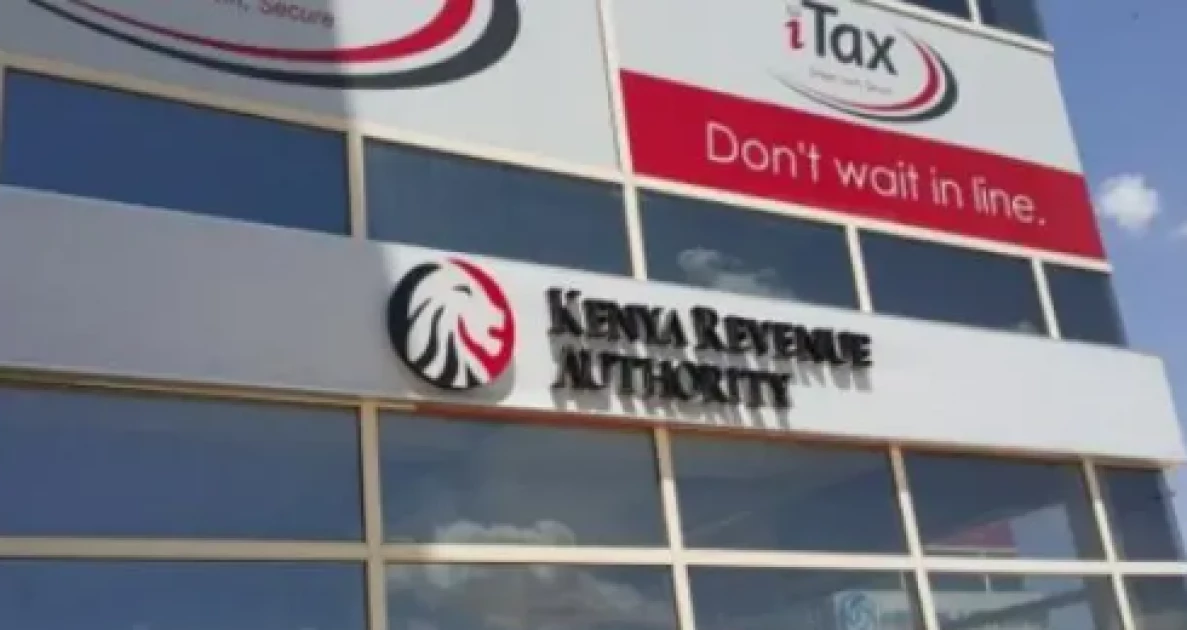
For many Kenyan entrepreneurs, managing business finances has often involved keeping paper receipts, handwritten records, and files that can easily get misplaced. However, the shift towards digital tax systems is gradually changing how businesses track their income and expenses.
As the Kenya Revenue Authority (KRA) continues to strengthen tax compliance measures, digital record-keeping is becoming more than just a convenience. It is increasingly becoming a necessary part of running a business.
According to a recent KRA notice, all taxpayers are required to file their 2025 Income Tax Returns by June 30, 2026. The authority has also provided temporary relief for business owners by allowing some expenses to be declared even when they are not supported by eTIMS or TIMS invoices. However, those expenses will still be subject to verification after returns are submitted.
From records to digital tracking
For years, many small business owners relied on manual bookkeeping methods. Receipts were stored in drawers, notebooks were used to track sales, and financial records were often updated only when tax deadlines approached.
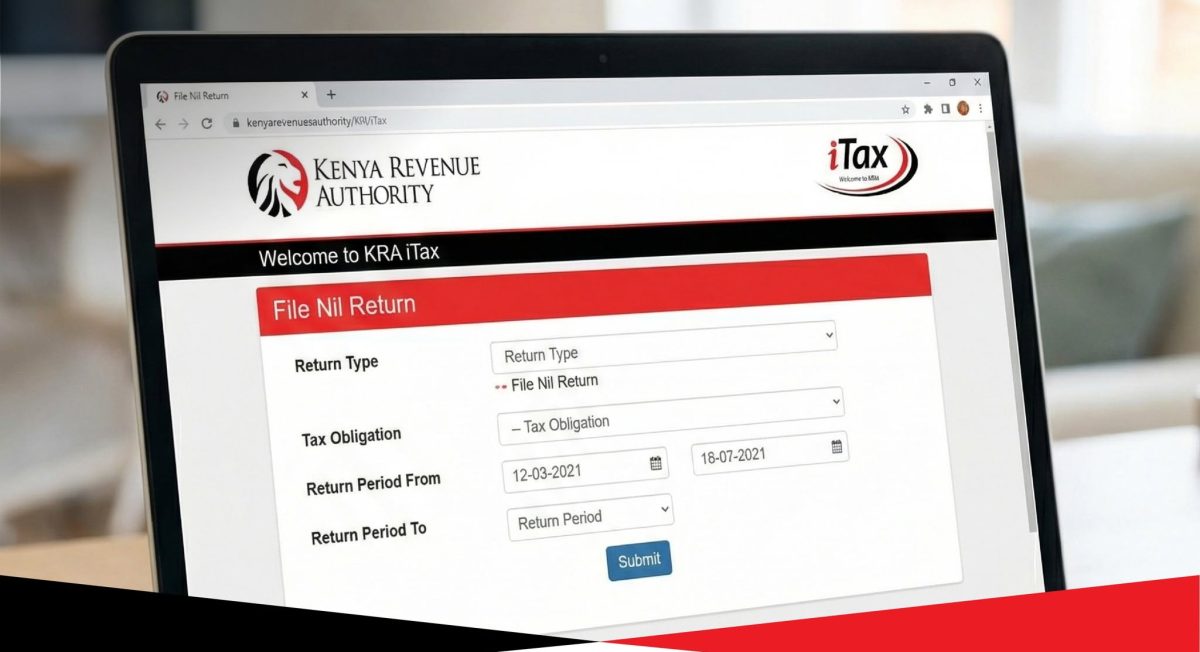
Digital invoicing systems such as eTIMS are helping to change that approach. By generating electronic invoices, businesses can create a more organised record of transactions throughout the year.
This means that entrepreneurs can easily monitor sales, track expenses, and access financial information when preparing tax returns. Instead of searching through piles of paperwork, records can be retrieved digitally, saving time and reducing the risk of errors.
Why accurate records matter
Financial records do more than help businesses meet tax obligations. They also provide valuable insight into how a business is performing.
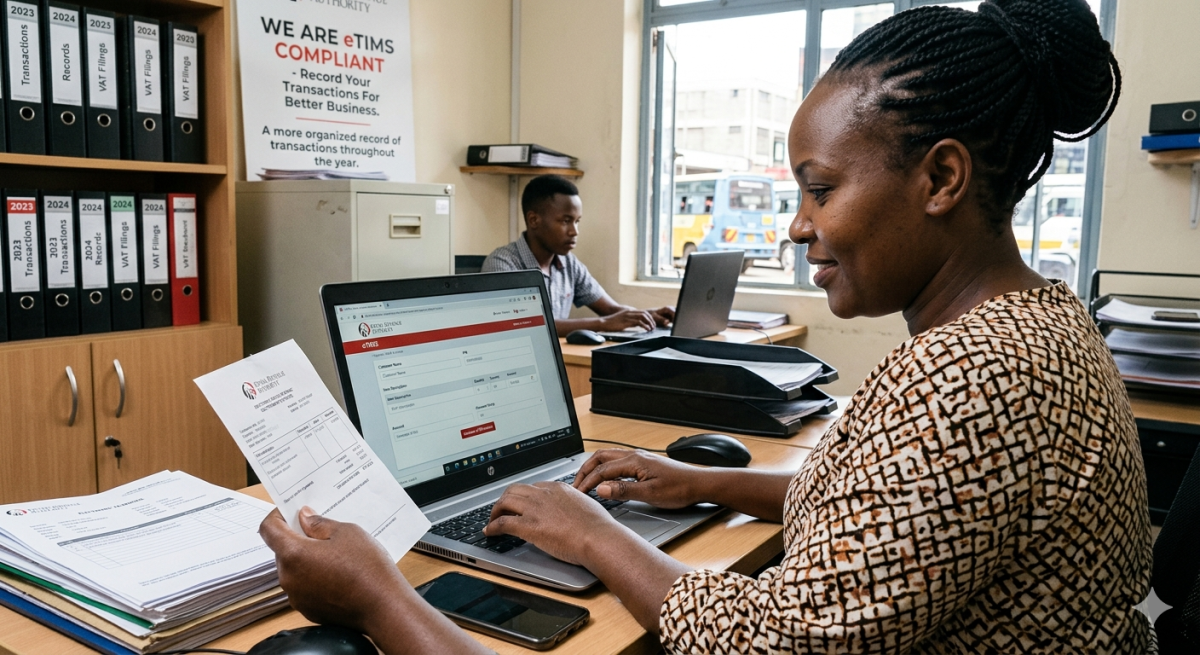
When income and expenses are properly documented, business owners can identify spending patterns, monitor profitability, and make informed decisions about growth. Accurate records can also make it easier to apply for financing, prepare business reports, and manage cash flow.
The temporary flexibility offered for the 2025 tax year may provide relief to some entrepreneurs who are still adjusting to digital systems. However, experts continue to encourage businesses to maintain proper documentation to avoid challenges during tax reviews and audits.
Preparing for the new rules in 2026
The transition period will not last forever. KRA has announced that beginning with the 2026 tax year, all income and expenses must be supported by valid electronic tax invoices generated through eTIMS or TIMS.
This means businesses that have not yet fully adopted digital invoicing systems may need to start preparing now. Early adoption can help entrepreneurs familiarize themselves with the process and avoid last-minute compliance challenges.
Beyond tax compliance, digital record-keeping reflects a broader shift in how businesses operate in a modern economy. As more transactions move online, entrepreneurs are finding that organized financial records are not only useful for tax purposes but also for building sustainable and efficient businesses.
For many Kenyan business owners, digital invoicing is no longer simply a tax requirement. It is becoming an important financial management tool that supports better planning, transparency, and long-term business growth.