Re-entry anxiety: What returning to school does to children’s mental health
By Dan Kauna, July 15, 2026With schools across Kenya preparing to reopen, the rush to clear school fees and purchase uniforms is on many parents’ minds.
Between running to find textbook deals and counting Ksh5,000 for new uniforms, parents have a lot on their plates. But while we worry about finances, our children are often fighting a quiet battle of their own.
School re-entry anxiety is real, and it affects more children than you might think. Studies show that up to 15 per cent of school-age children experience serious anxiety when transitioning back to class. It is not just a case of “term-two blues” or simple laziness. It is a genuine struggle that deserves our attention.
How anxiety hides in different age groups
Children do not always have the words to say, “I am stressed.” Instead, their anxiety shows up in different ways depending on how old they are.
For younger children, the mind often talks through the body. You might hear frequent complaints of stomach aches, sudden headaches, or morning nausea right before the school bus arrives.

When they reach pre-teen years, the worry shifts to fitting in. They might become unusually irritable, refuse to join group activities, or withdraw from friends. Teenagers face a different beast: intense academic pressure.
They lose sleep worrying about exams, career choices, and the heavy expectations placed on them.
A study by Di Vincenzo and colleagues in 2024 notes that school refusal “compromise regular school attendance and determine negative consequences on mental health.”
Recognising these signs early is the first step to helping them cope.
How to help your child without making it worse
When a child is crying or complaining of a stomach ache, our first instinct as parents is to let them stay home. However, experts warn that this actually backfires. Keeping them home makes the fear grow, making it even harder for them to go back the next day.
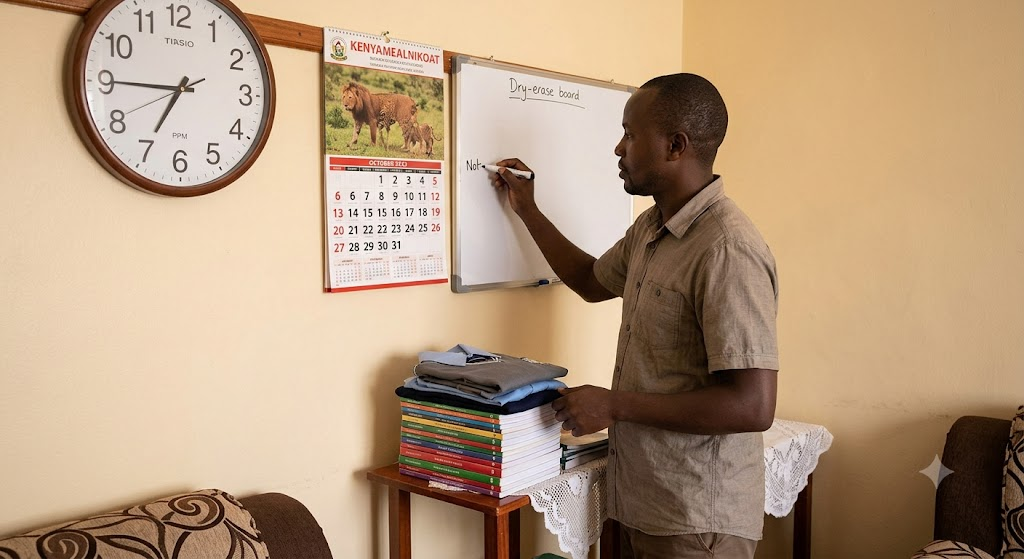
So, what works? The best approach is a mix of small steps and steady routines. Talk to your child, listen to their worries, and let them know their feelings are valid. You can also start adjusting sleeping patterns a few days before reopening so the transition does not feel like a sudden shock.
Schools have a huge role to play here too. Research by Pikulski and other researchers in 2020 points out that “schools are a prime environment for provoking anxiety in students,” but notes that building strong connections at school can protect children from this stress.
When parents and teachers work together, returning to school becomes a step forward rather than a leap into fear.