Advertisement
Power of self-determination: What Madaraka Day teaches you about personal growth
01st June, 2026 12:05 PM
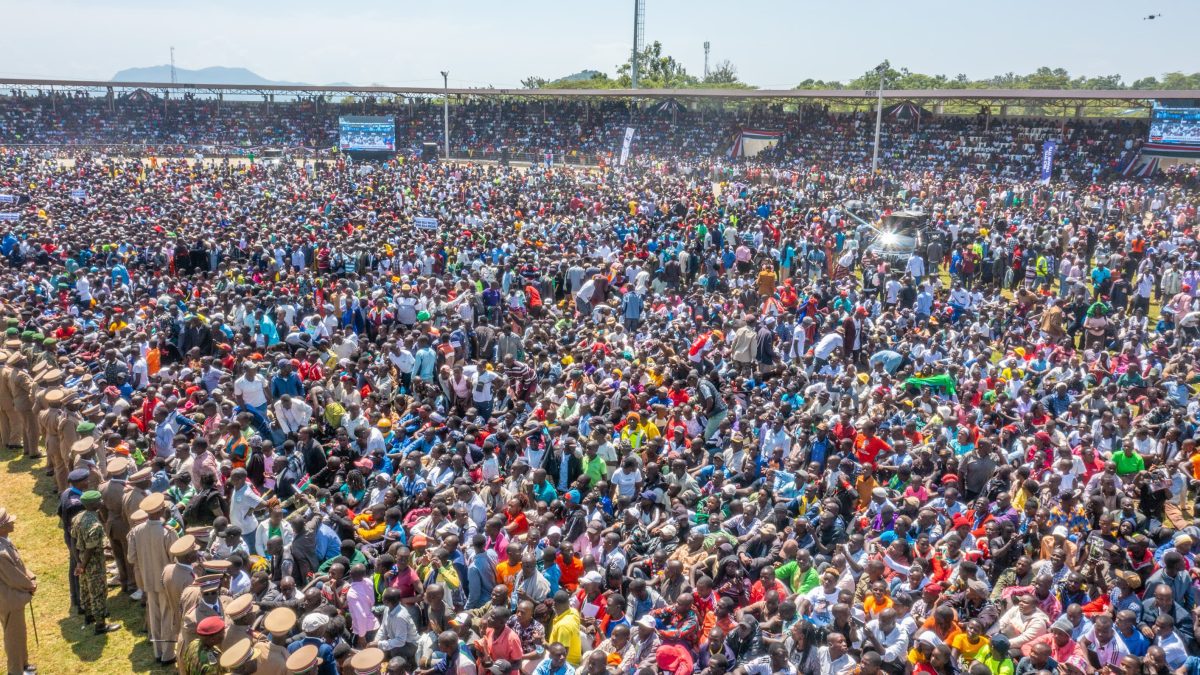
Every June 1st, Madaraka Day is marked in Kenya as a reminder of the moment the country took its first real step toward self-rule. Beyond the national celebrations, speeches, and waving flags, the meaning of “Madaraka” stretches further than history.
It speaks to something deeply personal, the power of self-determination and the ability to take charge of one’s own life choices.
Understanding self-determination
Madaraka, a Swahili word meaning ‘authority or rule’, is not only about a nation gaining independence. It also reflects the idea of individuals taking responsibility for their growth, decisions, and direction in life. According to civic education resources from the Government of Kenya, self-governance is built on responsibility, where freedom is balanced with accountability.
Self-determination shows up in small but important decisions, how a person manages their time, the effort they put into their goals, and how they respond to challenges. The United Nations, in its human rights framework, describes self-determination as the right of people to freely determine their political, social, and economic direction. On a personal level, this translates into setting goals and working steadily toward them without waiting for external approval.
Self-determination begins with personal responsibility and the courage to act on one’s decisions. It is a reminder that growth is not automatic; it is built through intention and consistency.
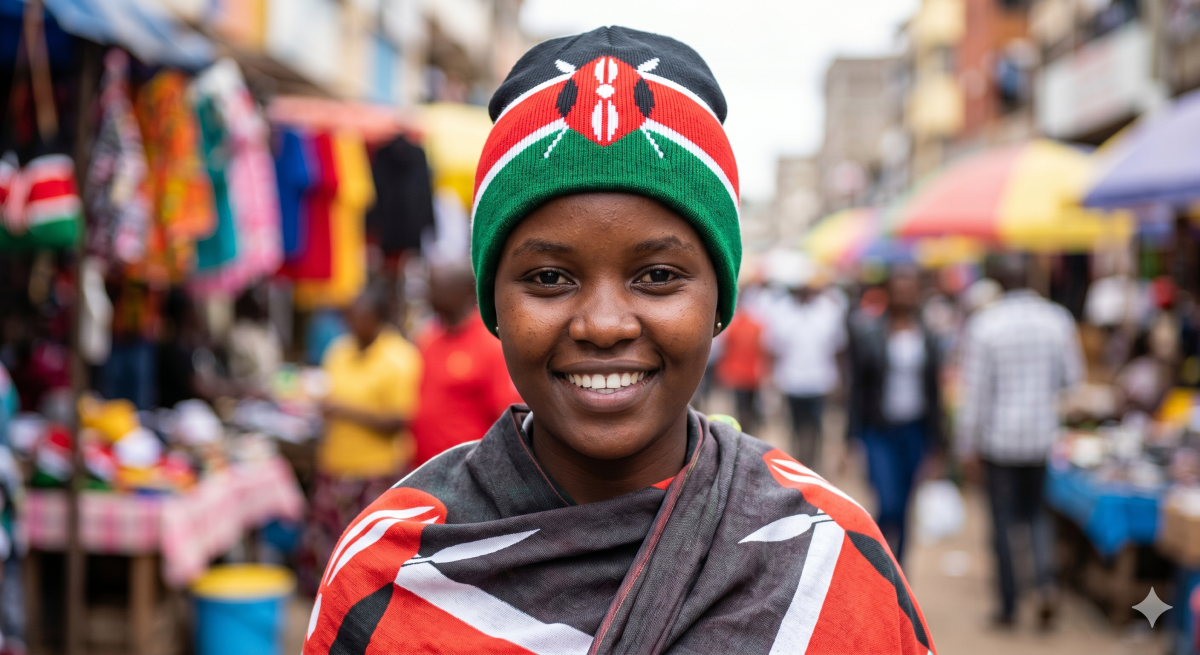
From national freedom to personal discipline
Historically, Madaraka Day marks June 1, 1963, when Kenya attained internal self-rule before full independence. This moment represented the beginning of local leadership and decision-making within the country. That transition from external control to internal authority mirrors what happens in personal growth.
In the same way nations step into leadership, individuals also move through stages of maturity where they begin to take control of their lives. This includes making difficult choices, staying disciplined, and accepting responsibility for outcomes instead of blaming circumstances.
Many people face challenges such as pressure from society, uncertainty about the future, or lack of motivation. Madaraka Day quietly reminds us that freedom without discipline can feel empty. Real progress comes when choices are guided by purpose rather than impulse.
Turning choices into long-term growth
Self-determination is not about having a perfect path. It is about persistence, even when things do not go as planned. Just as countries face challenges after gaining independence, individuals also encounter setbacks when trying to shape their future. What matters is the ability to adjust, learn, and continue moving forward.
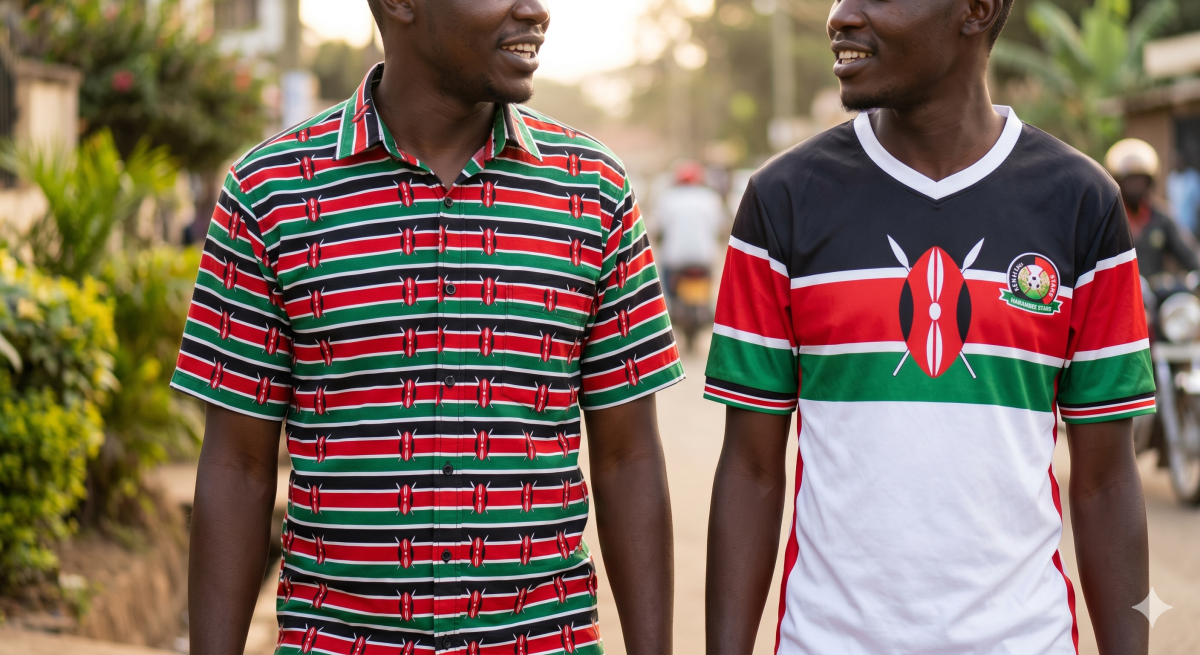
Personal growth is built through daily decisions, choosing education over distraction, patience over frustration, and direction over confusion. These small acts of control gradually shape a stronger sense of identity and purpose.
Madaraka Day, therefore, becomes more than a national holiday. It becomes a reflection point. It asks a simple question: how much control does one have over one’s own direction in life?