Advertisement
Beyond Madaraka Day: Small freedoms in a daily Kenyan life
01st June, 2026 09:51 AM
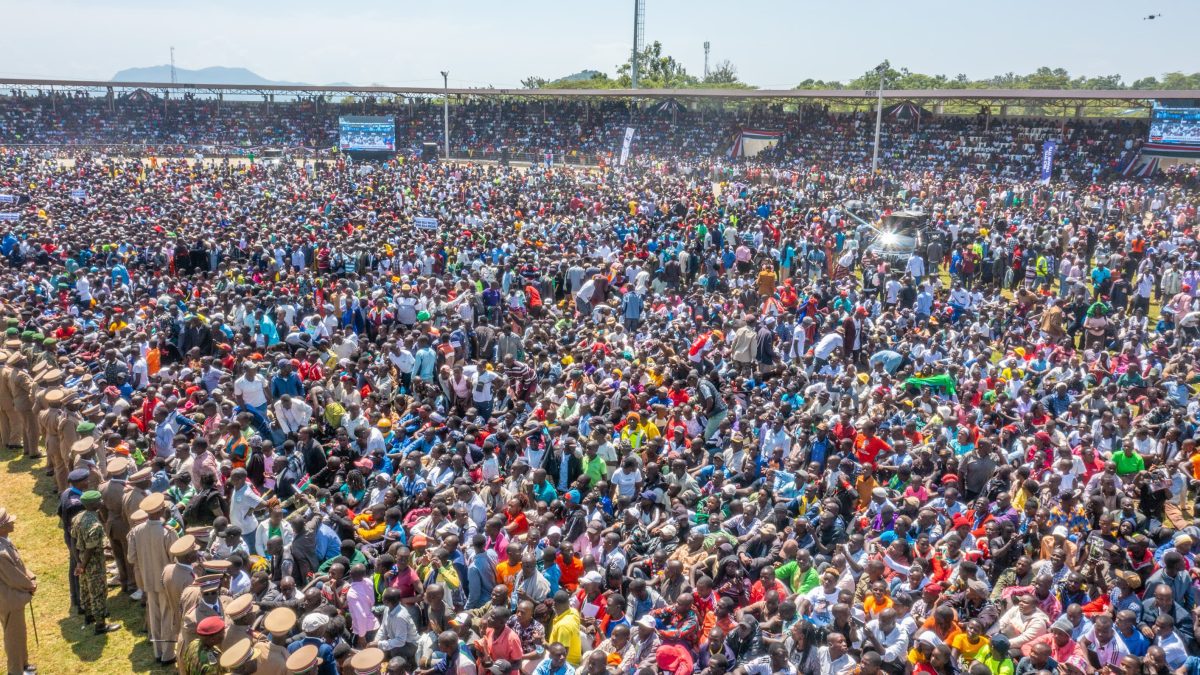
As Kenyans mark Madaraka Day, celebrated on June 1 every year, celebrations across the country serve as a reminder of a historic moment that changed the nation’s future.
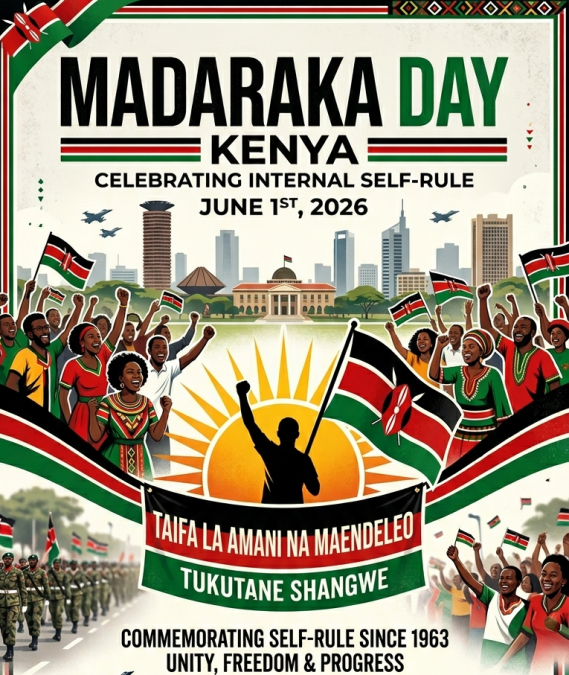
Madaraka Day honours the day in 1963 when Kenya attained internal self-rule from British colonial administration, paving the way for full independence later that year.
The word “Madaraka” is a Swahili term meaning authority, power, or self-governance. While the day is often marked through national celebrations, speeches, and cultural performances, its significance extends beyond official ceremonies. It is also reflected in the ordinary freedoms that Kenyans exercise every day, often without giving them much thought.
Freedom to speak and be heard
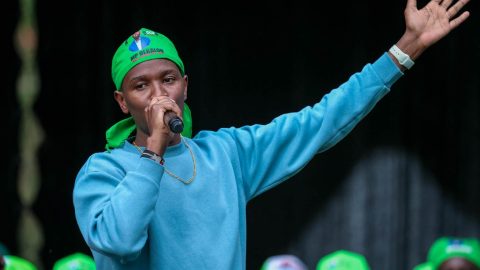
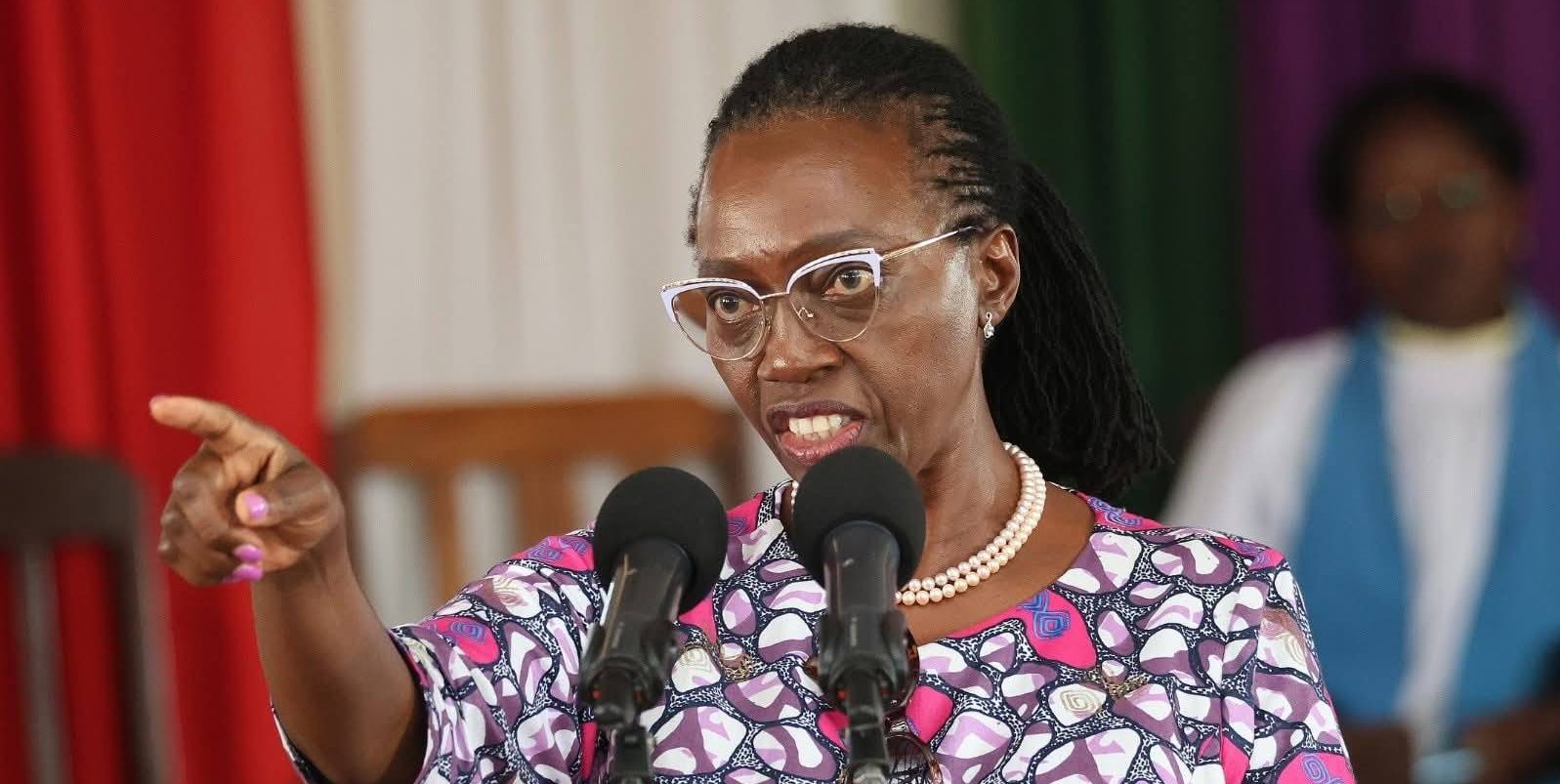
One of the most visible expressions of freedom in modern Kenya is the ability to share opinions. From conversations in homes and workplaces to discussions on social media platforms, many citizens freely express their views on issues affecting their communities and the country.
The Constitution of Kenya guarantees freedom of expression, allowing individuals to communicate ideas, seek information, and participate in public discourse. Whether discussing governance, sports, entertainment, or community matters, these daily conversations reflect the democratic space that Kenyans continue to enjoy.
As a famous quote often attributed to former South African leader Nelson Mandela stated, “To be free is not merely to cast off one’s chains, but to live in a way that respects and enhances the freedom of others.”
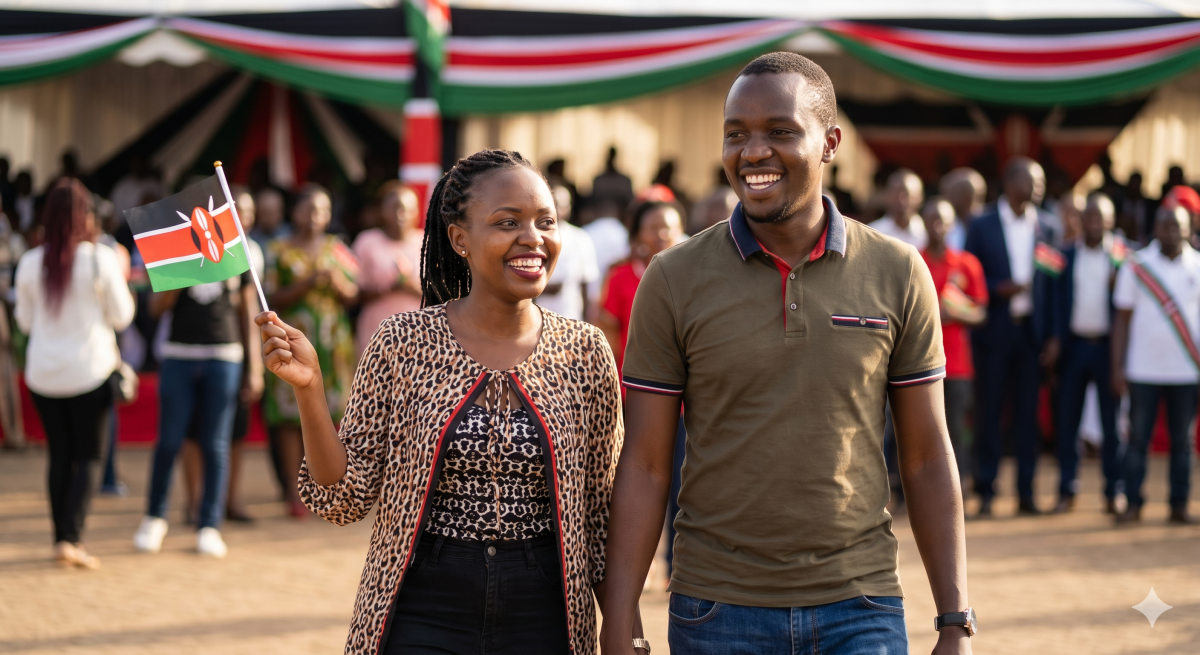
The protection of freedom of expression is outlined under Article 33 of the Constitution of Kenya, which gives citizens the right to seek, receive, and impart information and ideas.
Freedom to pursue opportunities
Every day, millions of Kenyans make choices about education, careers, businesses, and personal ambitions. Students choose courses that align with their dreams, entrepreneurs start businesses, and workers seek opportunities that improve their livelihoods.
This freedom to pursue individual goals may seem ordinary, but it reflects a society where people can shape their own paths. From small roadside enterprises to growing digital businesses, many Kenyans continue to use their talents and skills to create opportunities for themselves and others.
The ability to move freely across the country in search of work, education, or family connections is another freedom that supports personal growth and national development. Article 39 of the Constitution guarantees freedom of movement and residence, allowing citizens to travel and settle in different parts of the country.
Freedom to celebrate identity and culture
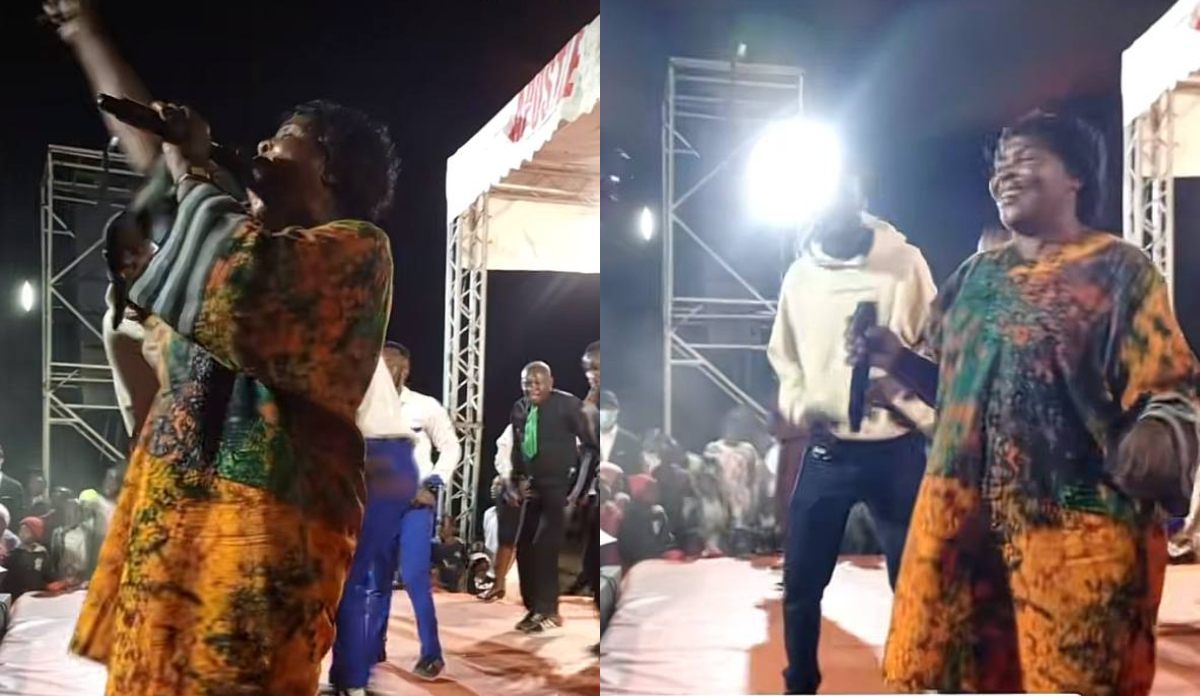
Kenya’s culture is one of its greatest strengths. Across the country, communities continue to celebrate their languages, traditions, foods, music, and cultural practices.
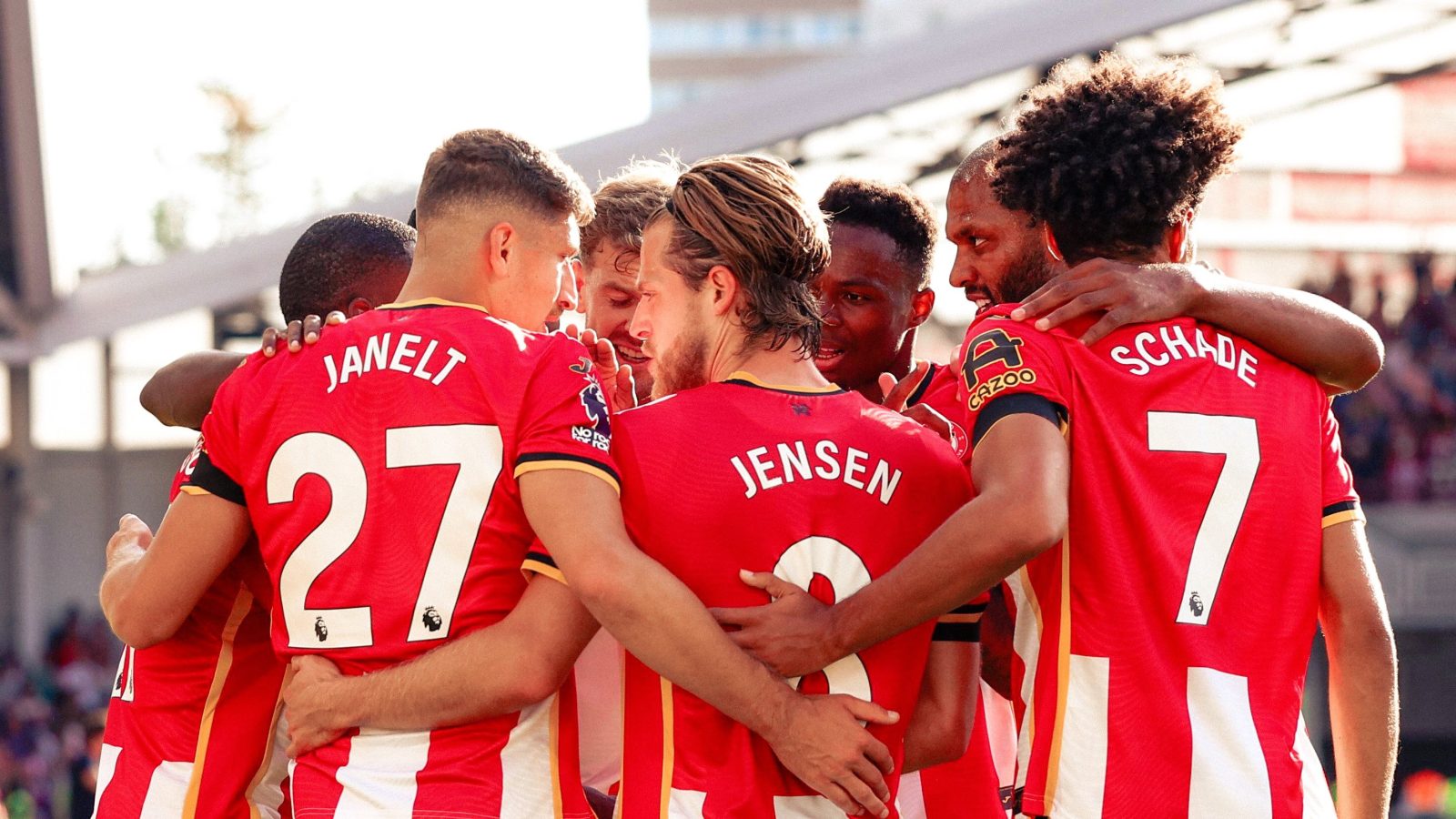
Whether it is speaking a mother tongue at home, attending a cultural ceremony, supporting a local football club, or participating in community events, these daily activities demonstrate the freedom to preserve and express cultural identity. The Constitution recognises Kenya’s cultural diversity and encourages the promotion and protection of cultural heritage.
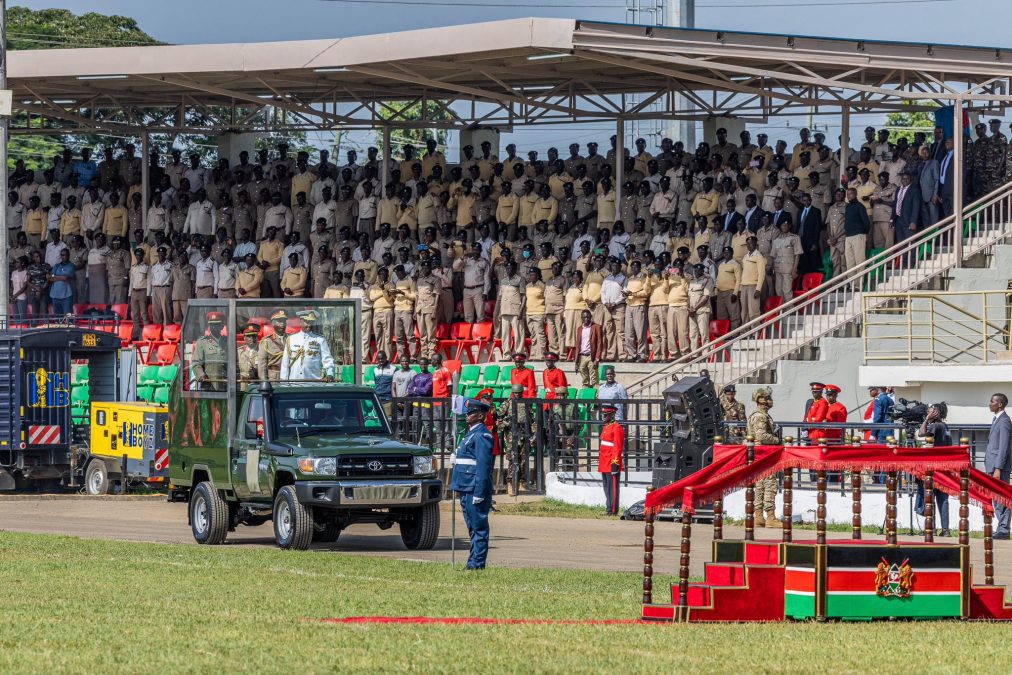
Madaraka Day serves as more than a remembrance of a political milestone. It is also an opportunity to appreciate the small but meaningful freedoms that shape daily life. The freedom to speak, learn, work, worship, travel and celebrate culture are rights that many citizens exercise regularly.
As the nation reflects on its journey today, the message of Madaraka remains relevant: freedom is not only found in historic events but also in the everyday choices people make, the opportunities they pursue and the voices they raise in shaping the future of Kenya.