Advertisement
Healthy ways fans can handle football disappointment
31st May, 2026 07:47 AM
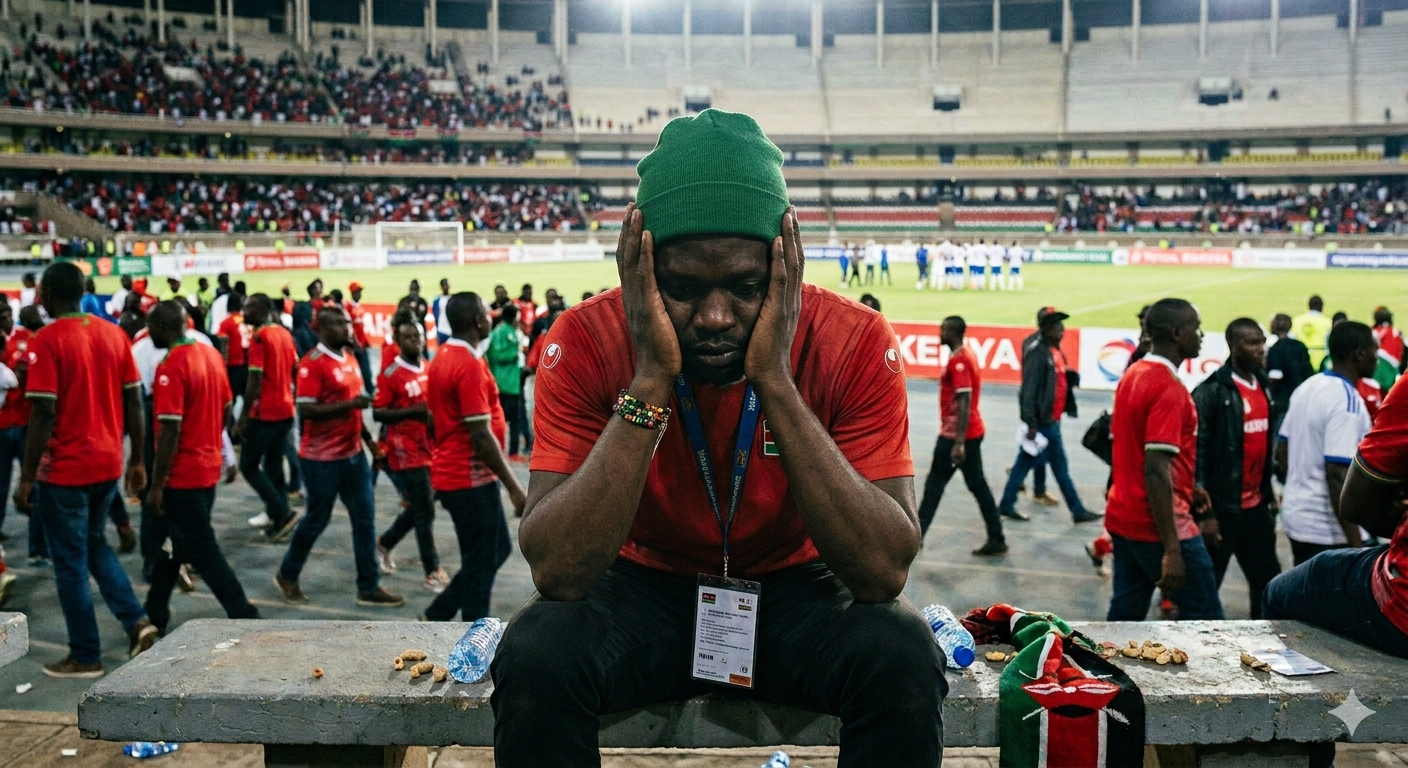
For many football fans, a match is more than just 90 minutes on the pitch. It is an emotional investment that can bring excitement, hope, and a strong sense of belonging. But when a favourite team loses an important game, the disappointment can feel surprisingly personal, with some fans sliding into stress and even depression.
Whether it is a missed penalty, a last-minute goal, or a painful defeat in a final, football losses often leave fans frustrated, angry, or emotionally drained. While such feelings are normal, experts say it is important to manage them in healthy ways.
Why football losses feel so personal
Fans often develop strong emotional connections with their teams. Supporting a club can become part of a person’s identity, making victories feel rewarding and defeats feel painful.
According to the Psychological Association, emotional reactions to sporting events are common because fans often identify closely with teams and players. This connection can influence mood, behaviour, and even self-esteem after a match.
“Sport has a unique ability to bring people together emotionally, but it is important to remember that personal well-being should not depend entirely on the outcome of a game,” the Association stated.

Take a break and put things into perspective
After a disappointing result, it can help to step away from football-related discussions for a while. Constantly replaying highlights, reading criticism online, or engaging in heated debates may make negative feelings last longer.
Instead, fans can focus on other activities they enjoy, such as spending time with family, exercising, listening to music, or pursuing hobbies. Taking a short break from sports content allows emotions to settle naturally.
Engage in activities that promote well-being and help people maintain a balanced outlook during emotionally challenging moments.
It can also help to remember that football is unpredictable. Every team experiences setbacks, and losses are part of the sport. Looking at the bigger picture may reduce the intensity of disappointment.
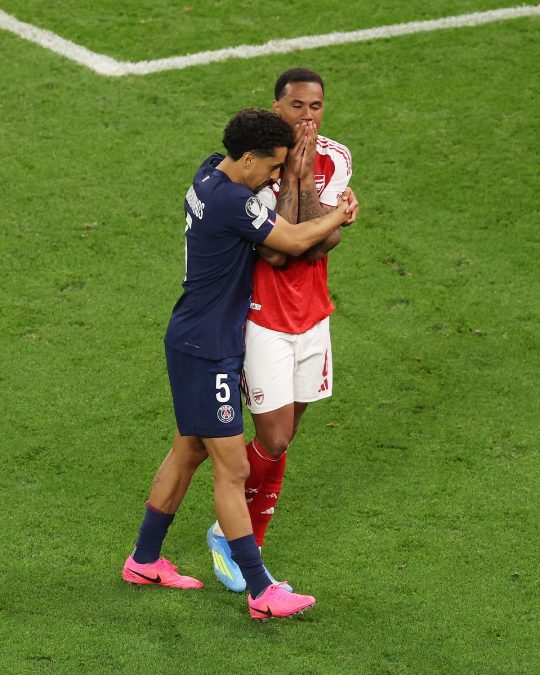
Support your mental well-being
One of the healthiest ways to cope with football disappointment is talking about it constructively. Sharing feelings with friends or fellow supporters can ease frustration and remind fans they are not alone.
Experts also encourage fans to avoid directing anger toward players, referees, or rival supporters, especially on social media. Negative online interactions often increase stress and can create unnecessary conflict.
Regular physical activity, adequate sleep, and maintaining daily routines can also help improve mood after an upsetting result. According to the World Health Organisation (WHO), exercise and social connection are important tools for maintaining good mental health.
At the end of the day, football is meant to be enjoyed. The highs and lows are part of what makes the sport exciting, but personal well-being should always come first.