Advertisement
Gikomba Market fire: How to cope with the emotional impact of losing your business overnight
21st June, 2026 08:44 PM
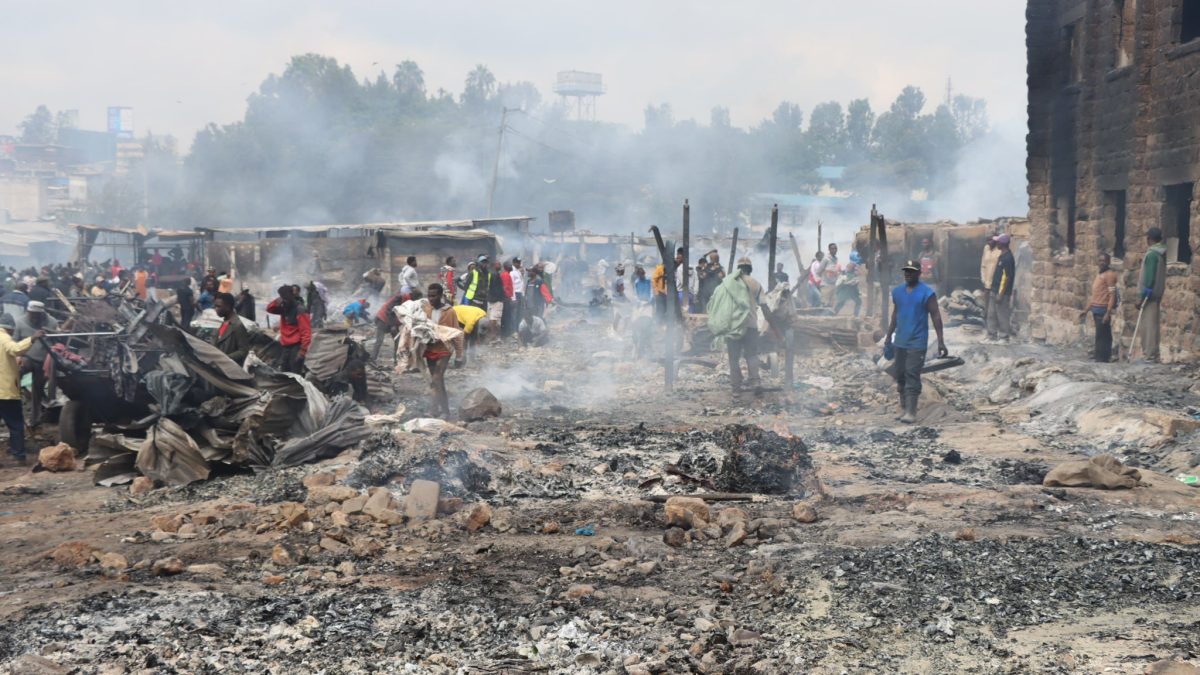
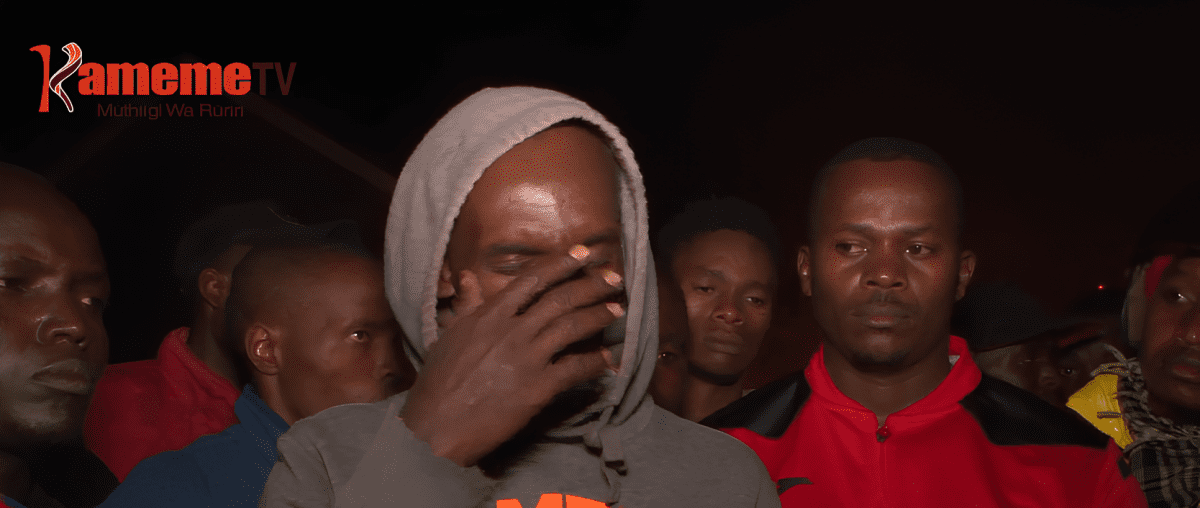
The devastating fire that swept through Gikomba Market today, Sunday, June 21, 2026, has left many traders counting losses after businesses, stock, and years of hard work were destroyed within hours.
While the financial impact of such a disaster is often the most visible, mental health experts say the emotional consequences can be just as significant and may take much longer to heal.
More than a financial loss
For many small business owners, a business is more than a source of income. It represents years of sacrifice, personal identity, future plans, and family security. When it is suddenly lost, the experience can trigger feelings similar to grief.
According to the World Health Organization, people who experience disasters and major losses often go through emotional reactions such as shock, sadness, anxiety, anger, and uncertainty about the future. These feelings are normal responses to an abnormal and distressing event.
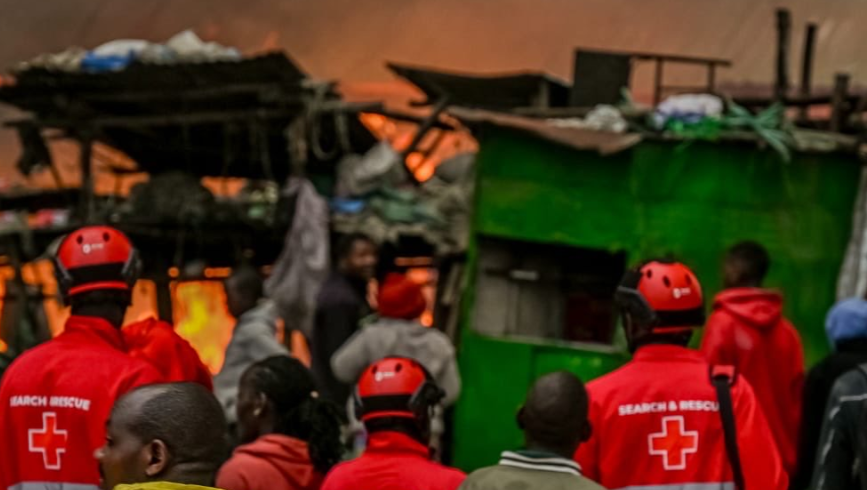
In the aftermath of a market fire, many traders may find themselves struggling to process what has happened. Some may repeatedly think about the incident, while others may experience sleepless nights, difficulty concentrating or a loss of motivation.
Understanding the emotional impact
The emotional burden of losing a business overnight can be overwhelming. The uncertainty of how to rebuild, repay debts or provide for loved ones may increase stress levels significantly.
According to the National Institute of Health, sudden financial setbacks can contribute to anxiety and emotional exhaustion, especially when individuals feel they have lost control over important aspects of their lives.
Many people also experience guilt, questioning whether they could have done something differently to prevent the loss. Others may feel embarrassed about seeking help or discussing their struggles with family and friends.
Allow yourself time to grieve
Mental health specialists emphasise that it is important to acknowledge the loss rather than ignore it. Just as people grieve the loss of a loved one, they may also grieve the loss of a business that represented years of effort and personal investment.
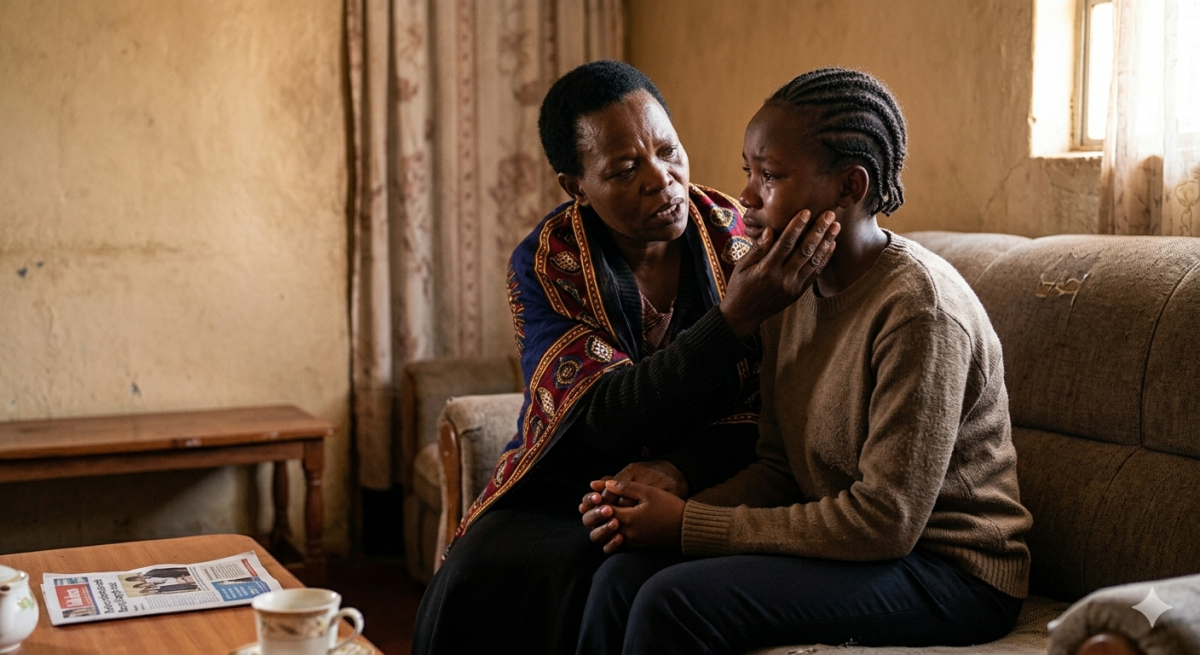
Allowing emotions to be expressed in healthy ways, whether through conversations with trusted people, journaling, or prayer, can help ease emotional pressure. Suppressing feelings may prolong emotional distress and make recovery more difficult.
Lean on community support
One of the strongest sources of recovery after a disaster is community support. Family members, friends, fellow traders, and local support groups can provide encouragement during difficult moments.
Research by the WHO shows that social connections play a critical role in helping people recover after traumatic events. Sharing experiences with others who have faced similar challenges can reduce feelings of isolation and remind individuals that they are not facing the situation alone.
Focus on small steps forward
Rebuilding after a major loss rarely happens overnight. Mental health experts recommend focusing on manageable goals rather than becoming overwhelmed by the entire recovery process.
Simple actions such as gathering information on available assistance, creating a recovery plan or reconnecting with customers can help restore a sense of control. Celebrating small achievements along the way can also boost confidence and resilience.
Recovery takes time
The road to recovery following the Gikomba Market fire may be long for many affected traders. While financial rebuilding is important, emotional healing deserves equal attention.
Seeking professional mental health support when feelings become overwhelming is a sign of strength, not weakness. With time, support, and patience, individuals can begin to rebuild not only their businesses but also their emotional well-being.