Advertisement
Why we find certain faces more attractive than others
01st July, 2026 07:46 PM

Have you ever wondered why you find some faces instantly attractive? While it is easy to think beauty is just about personal taste, science shows that our brains actually follow a hidden checklist.
Decades of research reveal that human attraction is heavily tied to survival and health signals. We naturally read these signals when looking at someone, even without noticing it.
The biological traits that drive attraction
Scientists look at three main things when studying facial beauty: symmetry, averageness, and clear gender features, also known as sexual dimorphism. Symmetry is all about how well the left side of the face matches the right side.
In nature, a balanced face suggests good health, proper development, and strong genetics.
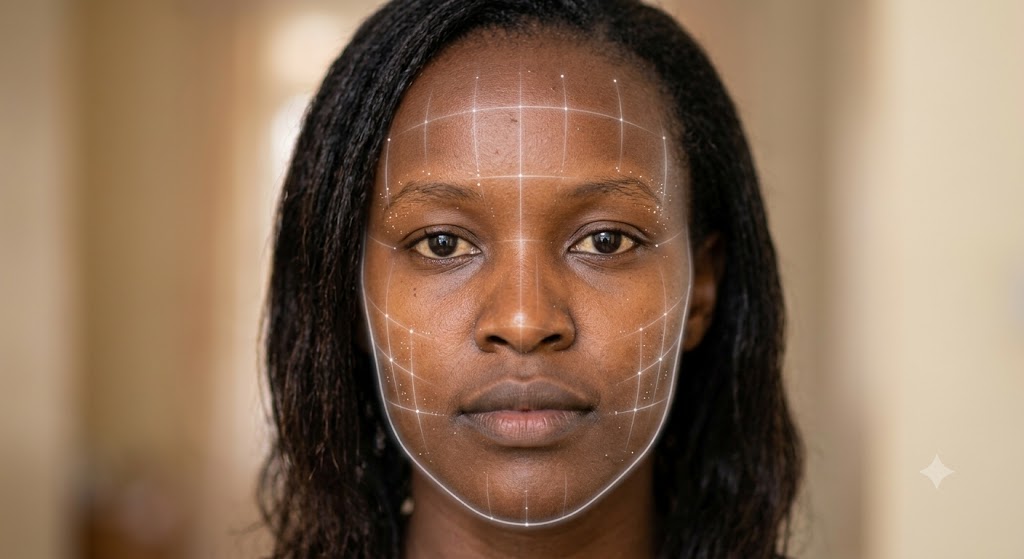
Then there is averageness. This does not mean a face looks ordinary or plain. Instead, it means the features are close to the mathematical average of the population.
When you see many faces every day, your brain creates a mental standard. Faces that closely match this average standard are much easier for the brain to process, which makes them feel more attractive.
Lastly, hormonal markers play a big role. For men, high testosterone creates a strong jawline and a prominent brow. For women, oestrogen results in fuller lips, larger eyes, and softer features.
In a review published in January 2006, researcher Gillian Rhodes explained that “averageness, symmetry, and sexual dimorphism are good candidates for biologically based standards of beauty.” These traits gave our ancestors quick clues about health and fertility.
How culture and familiarity change the rules
While biology gives us a baseline, attraction is not a strict mathematical formula. Cultural backgrounds and daily environments heavily shape individual preferences.
What is highly appealing in one community might change in another, showing that our standards of beauty can easily adapt to different societies across the world.

Familiarity also shifts how we see people. People consistently rate faces they see regularly as more attractive. When you interact with the same people at work, in school, or around the neighbourhood, your brain gets used to their facial structures.
This visual comfort can easily override basic evolutionary rules. Attraction is a careful balance between ancient survival traits and our daily social experiences.