Advertisement
The hidden cost of secrets in relationships
03rd July, 2026 08:18 PM
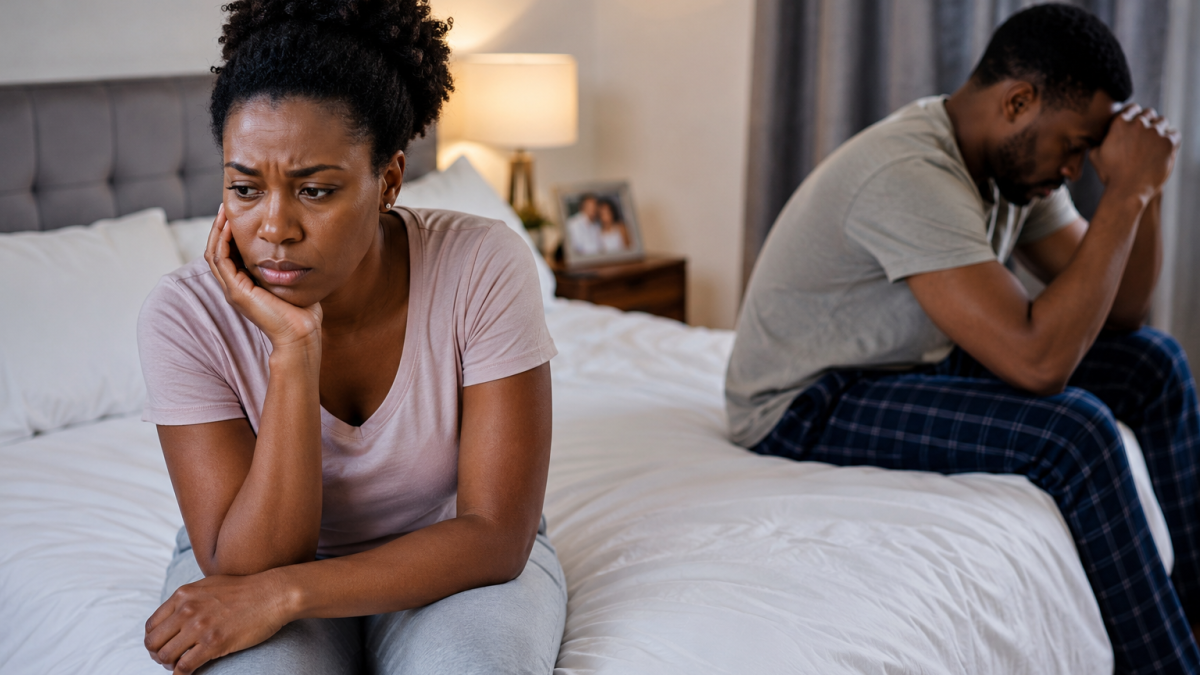
A relationship can survive differences in personality, habits and even occasional disagreements. But when one partner carries a major secret, silence can begin to take up more space than the truth itself.
Secrets are not always about betrayal. Some are held back because of shame, fear of judgement, financial pressure, past experiences or the worry that honesty could change the relationship. Yet even when a secret is kept with the intention of avoiding conflict, it can quietly affect both people involved.
The mental work
Keeping a secret is rarely as simple as deciding not to speak about something. It can involve constantly thinking ahead: avoiding certain topics, changing details in a story, watching facial expressions and worrying about what might happen if the truth comes out.
Research published in the Journal of Personality and Social Psychology found that people often suffer more from repeatedly thinking about a secret than from actively hiding it during conversations. The study noted that secret-keeping can make people feel isolated and emotionally burdened because the information keeps returning to their thoughts.
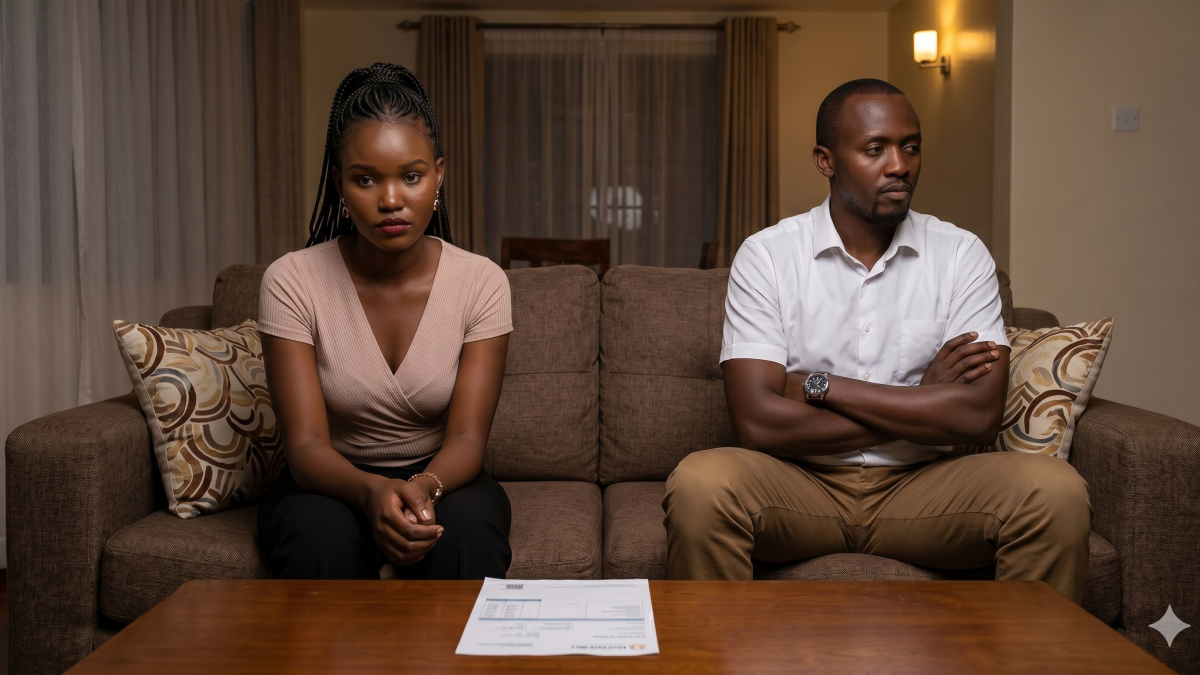
Over time, the person keeping the secret may begin to withdraw. They may avoid deep conversations because they fear being asked a question they are not ready to answer. They may also struggle to relax around their partner, even during happy moments.
Distance can grow without an argument
Emotional closeness is often built through small acts of openness. Sharing worries, mistakes, hopes and difficult experiences helps partners feel that they understand each other.
When an important part of one person’s life is hidden, that sense of closeness can become limited. The relationship may still appear normal from the outside, but the person holding the secret may feel alone within it.
A study published in the Reasearch Gate found that self-concealment in close relationships can affect trust and relationship satisfaction. When people feel unable to be open with a partner, they may experience less emotional connection and greater stress within the relationship.
This does not mean that couples must share every private thought, memory or personal detail. Privacy is a healthy part of any relationship. Everyone is entitled to personal space, friendships and individual experiences. The difficulty begins when withheld information has a direct impact on trust, shared decisions or emotional safety.
Something is missing
The person being kept in the dark may not know exactly what is wrong, but they can sometimes notice changes in behaviour. A partner may become guarded around their phone, avoid certain subjects, react defensively to simple questions or appear distant without explanation.
That uncertainty can create its own form of stress. Without clear information, the mind may begin filling in the gaps. A person may question whether they are being trusted, whether they have done something wrong or whether there are other things they do not know.

Trust is closely linked to openness, reliability and emotional safety. When a person believes that important information is being withheld, it can affect how secure they feel in the relationship.
Honesty
Telling the truth can be uncomfortable, especially when the secret involves a mistake or a difficult part of someone’s past. However, openness can give both partners a chance to respond to reality rather than assumptions.
The most helpful conversations are often those approached calmly, without blame and with a willingness to listen. The aim should not be to demand every detail, but to create a relationship where difficult truths can be discussed with care.
A secret may feel like protection at first. But when it becomes a wall between two people, the silence can eventually become harder to carry than the conversation itself.