School unrest in Kenya: Why parents must step up as school indiscipline cases rise
By Katemarthason Okudo, June 5, 2026Recent cases of unrest in Kenyan secondary schools have once again raised concerns about discipline among learners and the role parents play in shaping their children’s behaviour. As schools struggle to deal with strikes, property destruction, and other forms of indiscipline, education stakeholders are increasingly pointing to the need for stronger parental involvement.
The conversation has become more urgent following reports of unrest in several schools across the country this year, with some institutions forced to suspend learning as administrators worked to restore order. According to reports, student unrest has disrupted learning in a number of secondary schools, highlighting concerns about discipline, communication and student welfare.
When discipline starts
While schools are responsible for teaching and guiding learners, character development often begins at home. Parents are children’s first teachers, and the values taught during their early years usually shape how they behave later in life.
Lack of parental concern, weak supervision, and negative peer influence can contribute to student indiscipline. Researchers have noted that children who receive consistent guidance and support from their families are more likely to make responsible decisions and follow school rules.
Many parents today face demanding work schedules and economic pressures. However, experts say that spending time with children, listening to their concerns and discussing their daily experiences can help strengthen trust and reduce behavioural challenges.

The need for guidance beyond school fees
For many families, parental responsibility is often associated with paying school fees and providing basic needs. Yet mentorship is just as important.
Teenagers face numerous pressures, including social media influence, peer expectations, and academic stress. Without proper guidance, some may struggle to cope with these challenges. Studies on school discipline in Kenya have linked weak parent-child relationships and limited emotional connection at home to cases of unrest and behavioural problems among learners.
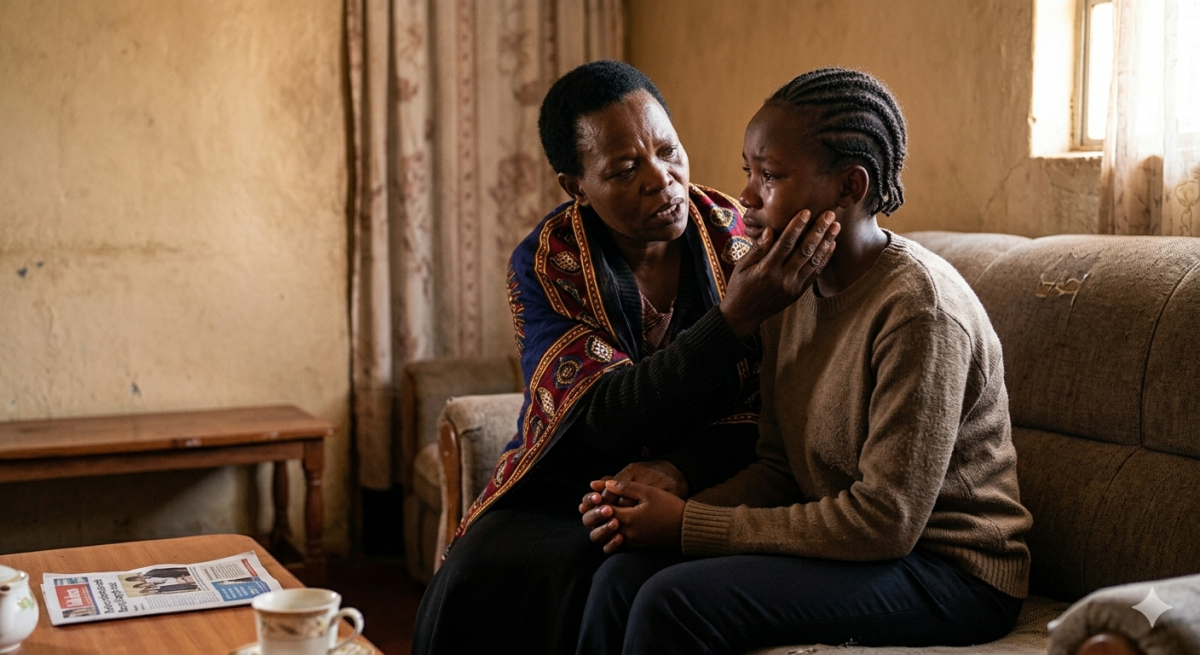
Regular conversations about responsibility, respect and decision-making can help young people develop self-discipline. Parents who create an environment where children feel comfortable sharing their concerns are also better placed to notice warning signs before problems escalate.
A responsibility for the future
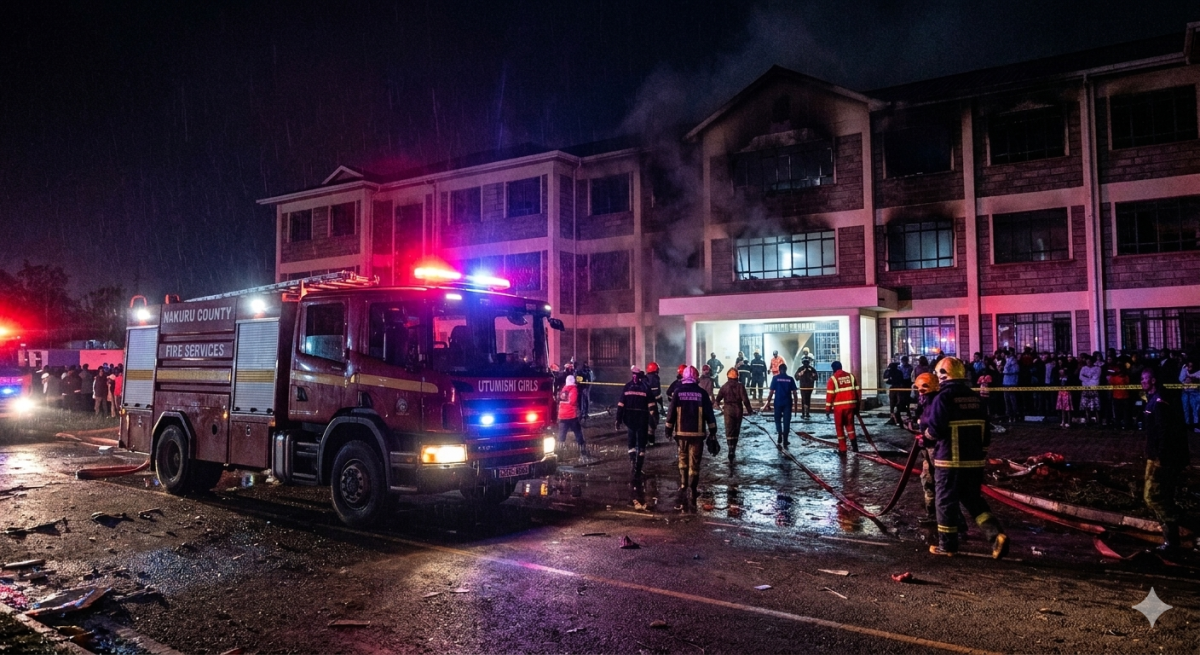
Recent tragic events in schools have reminded the country of the importance of early intervention and proper guidance. Investigations into a deadly school fire at Utumishi Girls in Gilgil that claimed the lives of students revealed concerns about student unrest and failures to address warning signs before the incident occurred. Authorities have since emphasised the need for stronger oversight and accountability in learning institutions.
However, creating a disciplined generation cannot be left to teachers and school administrators alone. Parents, schools and communities must work together to nurture responsible young people.
Attending school meetings, monitoring academic progress, understanding children’s friendships and maintaining regular communication with teachers are simple but important steps. When parents remain actively involved in their children’s lives, they are better positioned to guide them through challenges and help them make sound choices.