Advertisement
Utumishi Girls fire exposes gaps in dormitory safety standards
28th May, 2026 03:11 PM

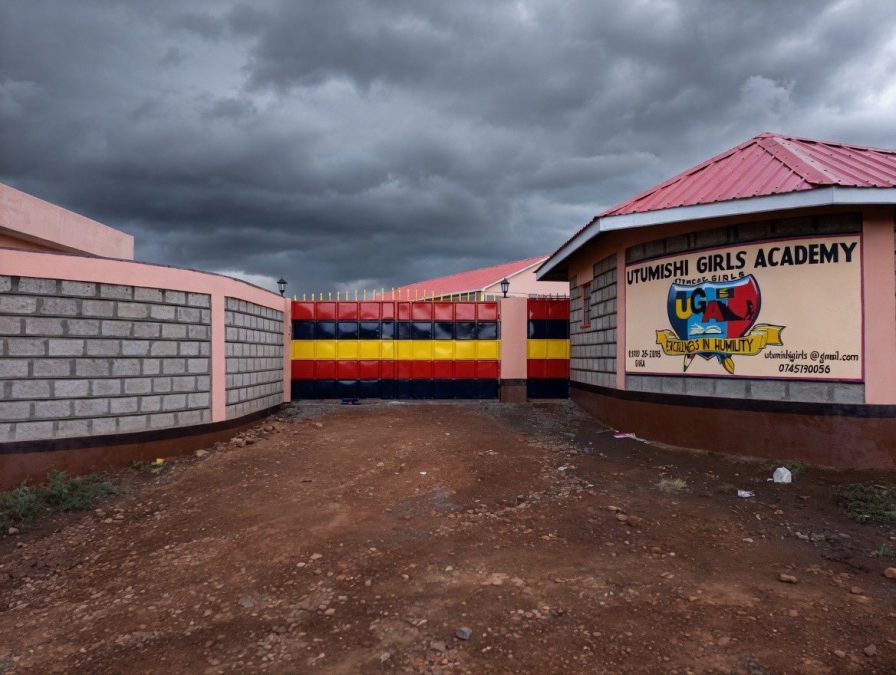
The tragic fire at Utumishi Girls Academy in Gilgil has once again raised serious concerns about the safety of boarding schools in Kenya, exposing long-standing gaps in enforcement, preparedness, and emergency response systems.
The incident, which broke out in the early morning of Thursday, May 28, 2026, claimed the lives of 16 students and left several others injured, according to preliminary reports from authorities.
The fire has sparked nationwide grief and renewed debate over whether existing safety regulations in schools are effectively implemented.
As investigations continue into the cause of the blaze, attention has shifted to whether the institution had adequate fire safety measures in place.
Questions have been raised about the availability and functionality of fire extinguishers, emergency exits, alarm systems, and evacuation procedures.
Kenya has witnessed a series of tragic school fires over the years, many of them in boarding institutions.
Past incidents, including the Endarasha Primary School fire in Nyeri, where young learners lost their lives, had previously triggered promises of stricter safety enforcement and renewed inspections by education authorities.
However, recurring tragedies suggest that lessons from such incidents have not been fully implemented.
Other past school fires across the country have often been linked to overcrowding, poor infrastructure, delayed emergency response, and lack of regular fire drills.
Despite repeated policy reviews by the Ministry of Education, enforcement at the school level remains inconsistent.
The persistence of these incidents points to systemic weaknesses in the management and monitoring of safety in boarding schools.
While safety guidelines exist, many institutions continue to operate without full compliance due to gaps in inspection follow-ups, limited resources, and weak enforcement mechanisms.
Key safety gaps identified
There are still critical gaps in many boarding schools that increase the risk and impact of fire incidents. These include a lack of functional, regularly serviced fire extinguishers, insufficient or poorly marked emergency exits, and the absence of mandatory, routine fire drills for both students and staff.
Overcrowded dormitories remain another major concern, as they make evacuation slower and more dangerous during emergencies.
In addition, delayed emergency response coordination in some areas has been highlighted as a recurring challenge, particularly in schools located far from urban fire stations.

There are also concerns about weak inspection enforcement, where identified safety issues are not always addressed promptly. In some cases, poor maintenance of electrical systems has also contributed to fire outbreaks.
There are also concerns about supervision during night hours, including whether matrons and other dormitory staff are adequately trained, present, and equipped to respond quickly during emergencies.
Weak enforcement of safety protocols during sleeping hours has been flagged as a possible contributing factor in the severity of such incidents.
To prevent similar tragedies, boarding schools are expected to maintain strict minimum safety standards. These include fully accessible and clearly marked emergency exits in all dormitories, functional fire alarm systems and smoke detectors, and mandatory fire drills conducted every term for students and staff.
Author
William Muthama
William Muthama is a digital journalist with a focus on entertainment, human interest, and current affairs. Share stories: [email protected]/ [email protected]
View all posts by William Muthama