Advertisement
Utumishi Girls fire: Are Kenyan boarding schools prepared for emergencies?
28th May, 2026 02:59 PM
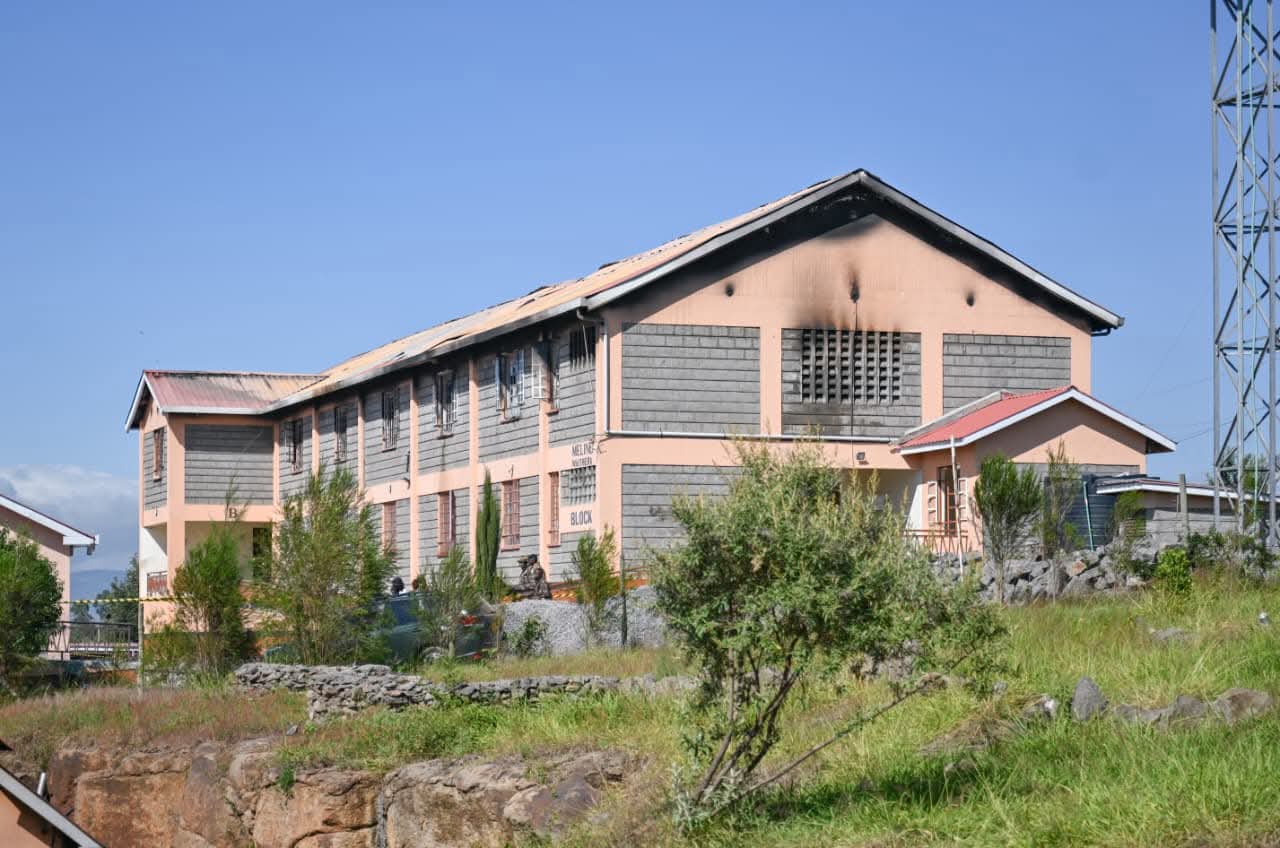
The tragic fire at Utumishi Girls Academy in Gilgil has reopened a national conversation on safety standards in Kenyan boarding schools.
The incident, which broke out in the early hours of Thursday, May 28, 2026, left at least 16 students dead and about 79 others injured, according to official updates from government and emergency agencies.
Reports indicate that the fire started shortly after midnight and burned for over two hours before being fully contained, engulfing a dormitory where hundreds of students were asleep.
Many of the injured were rushed to the hospital, with a majority later discharged after treatment, while others remained under care due to trauma, burns and smoke inhalation injuries.
The tragedy has now intensified scrutiny on whether boarding schools in Kenya are truly prepared for emergencies or simply operating with minimum compliance on paper.

Fire death toll rising
The Utumishi Girls Academy fire has been confirmed as one of the most severe recent school tragedies in Kenya, with at least 16 confirmed deaths and dozens of injuries reported.
Emergency responders described a chaotic scene as students attempted to escape a rapidly spreading blaze that engulfed the dormitory while most were asleep
Some learners were injured while escaping through windows and upper sections of the building, highlighting the intensity and speed of the fire.
Authorities have not yet established the cause of the fire, with investigations ongoing at the school compound under tight security.
Dorm design concerns
Fire safety specialists say that building design plays a critical role in survival during emergencies.
In many Kenyan boarding schools, dormitory structures are still designed with limited exit options, narrow escape routes and barred windows that restrict emergency evacuation.
When fire breaks out at night, these design choices can turn into deadly barriers.
Experts argue that dormitories must prioritise life safety over maximum occupancy or security fears, ensuring that students can exit quickly without obstruction.

The Gilgil tragedy has brought renewed attention to whether existing school infrastructure meets modern fire safety standards or simply relies on outdated construction practices.
Emergency response delay
One of the key concerns raised after the incident is the time gap between the outbreak of the fire and the emergency response.
Reports indicate the fire started shortly after midnight and was not reported for hours, by which time emergency teams had already arrived and worked for an extended period to contain the blaze.
Fire safety experts warn that delays in detection and response are often fatal in dormitory fires because smoke spreads quickly and reduces visibility within minutes.
Without early warning systems, students may only realise danger when escape routes are already compromised.
Safety systems failure
Questions are now being asked about whether basic fire safety systems were in place and functioning at the time of the incident.
Smoke detectors, fire alarms, and clearly marked emergency exits are considered standard safety requirements in institutional housing globally.
However, many boarding schools in the region still lack fully functional early warning systems or conduct irregular safety drills.
Experts argue that safety systems should not be treated as optional upgrades but as essential life-saving infrastructure, especially in facilities housing minors.
Lessons for schools
The Utumishi tragedy has exposed gaps that extend beyond one institution.
Fire safety analysts say many schools still operate without regular risk assessments, updated evacuation plans or consistent staff training on emergency response.
Proper preparedness includes ensuring that students are trained to respond calmly during emergencies, that staff know evacuation procedures, and that buildings are regularly inspected for electrical and structural risks that could trigger fires.
Without these measures, schools remain vulnerable to repeat incidents.
National safety urgency
Kenya has experienced multiple school fire tragedies over the years, raising long-standing concerns about the enforcement of safety regulations in boarding institutions.
The Gilgil incident, with 16 lives lost and many injured, has once again highlighted the gap between policy requirements and real implementation on the ground.
As investigations continue, the focus is shifting from reaction to prevention, with growing calls for stricter enforcement of fire safety compliance across all schools.
The central question remains whether boarding schools are genuinely prepared for emergencies or whether safety only becomes a priority after tragedy strikes.