Advertisement
Opposites attract: Why popular relationship concept is a myth according to science
13th June, 2026 03:29 PM

There’s a story many of us grew up believing – that love works best when two people are beautifully, dramatically different.
The quiet introvert falls for the life of the party. The spender finds their soulmate in the careful saver. Opposites attract, the saying goes, and the spark between two very different people is proof that it is meant to be.
It’s a compelling story. It’s also, researchers say, largely wrong.
What the research actually shows
Decades of psychological research point in a consistent direction: similarity, not difference, is the stronger foundation for lasting romantic satisfaction.
A meta-analysis by Malouff and colleagues, published in the Journal of Research in Personality, examined 19 separate samples involving nearly 3,900 participants and found that “scores on four of the Five-Factor Model personality factors correlated significantly with level of relationship satisfaction by intimate heterosexual partners” – specifically low neuroticism, high agreeableness, high conscientiousness, and high extraversion.
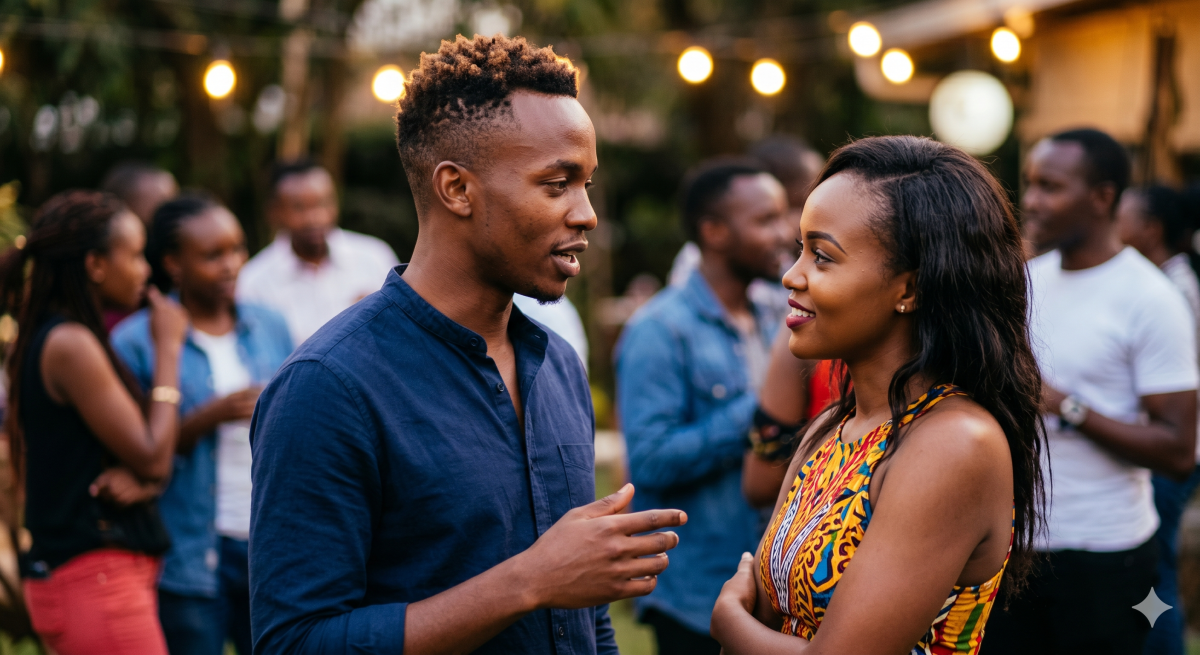
In plain terms: what you are like as a person, and how alike you and your partner are in temperament and values, matters enormously for how satisfied you both feel.
The ‘complementarity hypothesis’ (the scientific name for the “opposites attract” idea) has consistently failed to hold up.
A 2025 review published in a peer-reviewed psychology journal found no strong evidence supporting the complementarity hypothesis, with dissimilar couples no more likely to stay together or report higher relationship quality.
What ‘opposites attract’ gets right, and gets wrong
Here’s the honest part: the myth is not entirely a fabrication. Early attraction can absolutely be sparked by novelty and difference.
Someone confident where you are shy, or adventurous where you are careful, can feel exciting precisely because they are not like you.
But excitement at the beginning is not the same as contentment over time.

Research suggests similarity plays its biggest role in the early stages, helping two people feel understood, validated, and comfortable enough to keep showing up.
Studies have shown that people who perceive themselves as similar to their partners tend to experience more effective and comfortable communication, greater pleasure, and a stronger sense of being understood and supported.
Chemistry and contrast can get things started. But shared values around money, faith, family, and how conflict is handled are what determine whether a relationship has the stamina to last.