Advertisement
How parents can talk to children about safety after school tragedy
29th May, 2026 04:14 PM
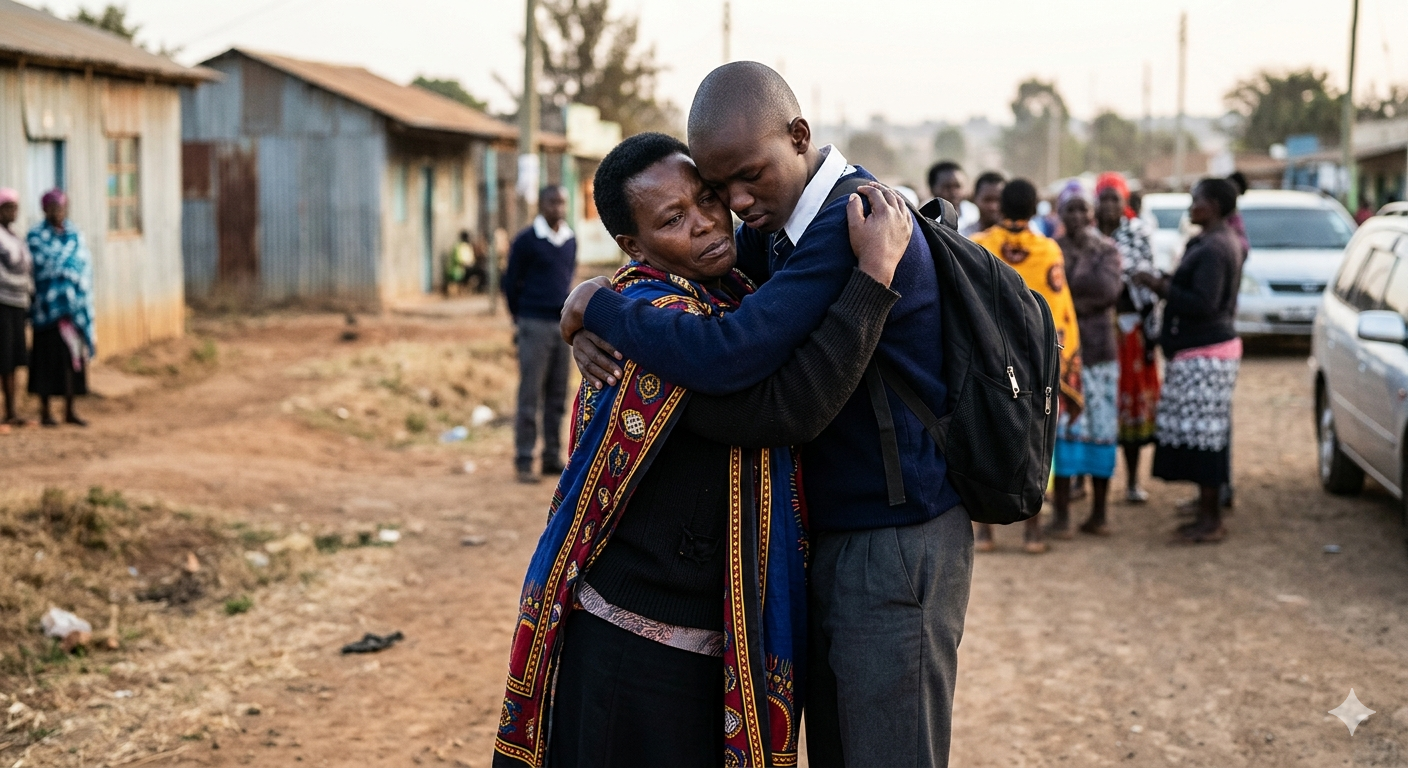
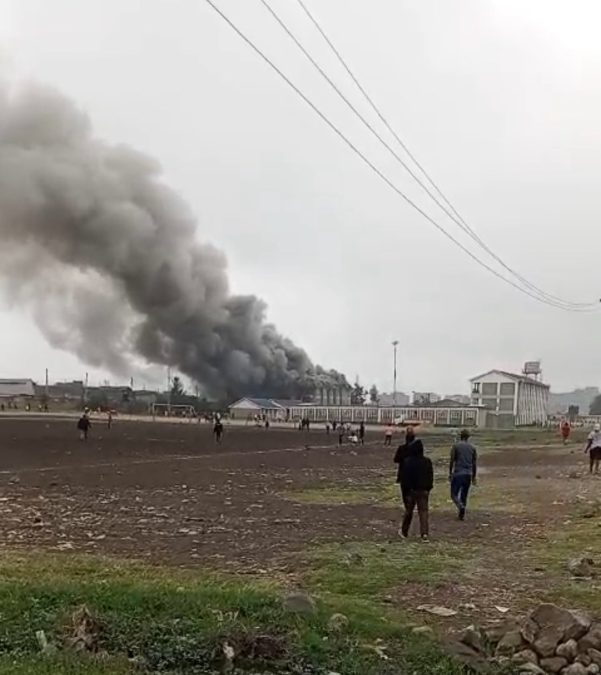
When a school tragedy occurs, whether it is a fire, an accident, or another emergency, the impact does not end at the school gate. It often follows students back home, where questions, fear, and confusion begin to surface. In recent times, concerns over school safety in Kenya have pushed many parents to rethink how they talk to their children about emergencies.
How parents communicate after such incidents can shape children’s long-term understanding of safety, fear, and preparedness. Avoiding the conversation completely may increase anxiety, while handling it calmly can help children feel secure and informed.
According to the Kenya Red Cross Society, children process trauma differently depending on their age, exposure, and support system. This makes communication at home a key part of emotional recovery after distressing events.
Creating a safe space for open conversation
One of the most important steps for parents is creating a calm environment where children feel safe to express themselves. After hearing about school incidents, many children may develop fear about returning to school or participating in normal activities.
Experts recommend that parents avoid dismissing children’s fears. Instead, they should listen attentively and allow children to ask questions freely. Simple reassurance, without giving false promises, helps build trust and emotional stability.
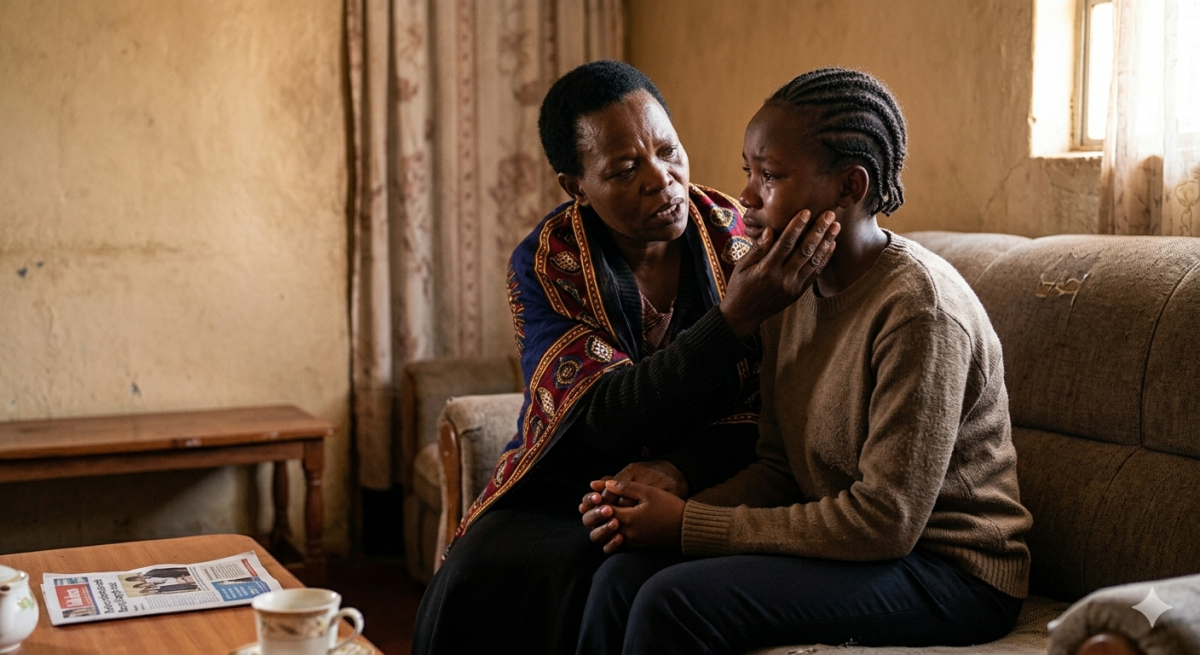
“Children need honest but age-appropriate explanations to help them process difficult events,” UNICEF Kenya noted. Parents are encouraged to choose the right time and setting for such conversations, preferably when the child is calm and not distracted.
Explaining safety without creating fear
While it is important to talk about what happened, experts caution against overloading children with graphic details or fear-based messaging. The goal is to build awareness, not panic.
The Ministry of Education has previously emphasized the importance of psychosocial support in schools after emergencies, noting that both learners and parents play a role in recovery and reassurance.
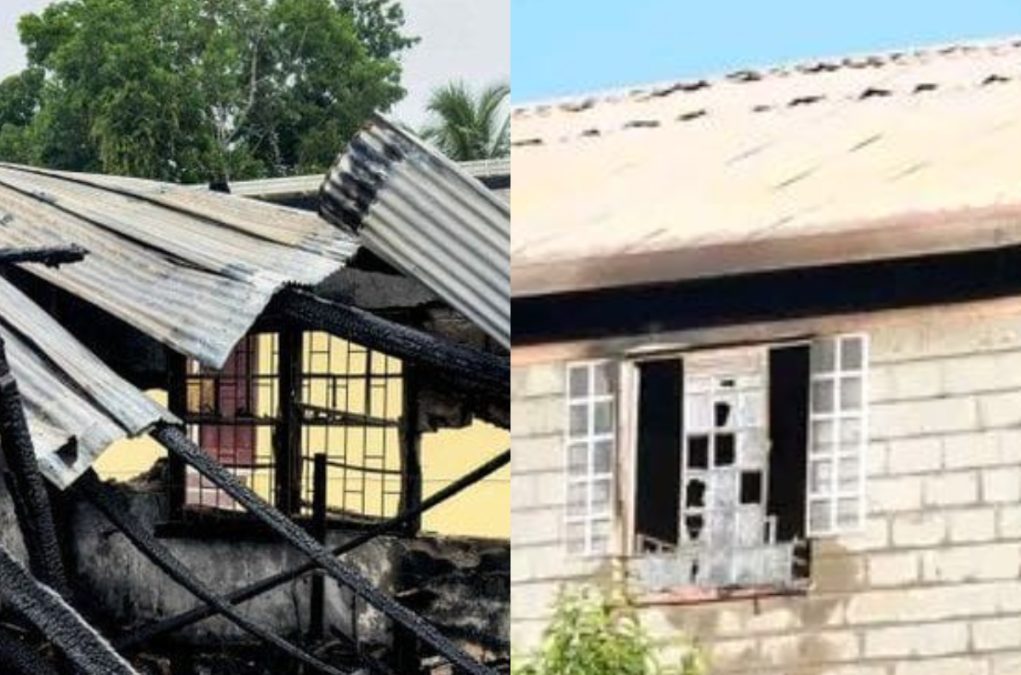
Parents can explain safety measures in simple terms, such as fire drills, emergency exits, and why rules in school exist to protect students. This helps children understand that safety systems are in place to protect them, not to scare them.
“Reassurance and clear guidance help children regain a sense of control after distressing events,” a mental health advisory by the World Health Organization (WHO) states.
Teaching practical safety skills at home
Beyond conversation, parents are encouraged to teach simple safety habits at home that reinforce what children learn in school. These include knowing emergency contacts, understanding what to do in case of fire, and recognizing safe adults to approach in emergencies.
Preparedness begins with awareness at both the school and household levels. When children are taught basic safety steps early, they are more likely to respond calmly during emergencies.
Parents can also encourage children to participate in school safety drills seriously and share what they learn afterwards. This builds confidence and reduces fear over time.
Supporting emotional recovery after tragedy
After a school tragedy, some children may show signs of anxiety such as withdrawal, fear of returning to school, or difficulty sleeping. Experts say these reactions are normal and should be handled with patience.
If distress continues, parents are advised to seek professional help from counselors or child psychologists. Emotional recovery is just as important as physical safety. Healing after a crisis is a process that requires time, support, and understanding from both families and schools.
As conversations around school safety continue across the country, experts maintain that parents play a crucial role in helping children feel secure again. Honest communication, calm reassurance, and practical safety education remain key in rebuilding confidence after difficult experiences.