Advertisement
Why emergency preparedness in schools should start with students
29th May, 2026 03:16 PM

The recent fire incidents reported in Kenyan schools, including Utumishi Girls High School and Gacharage High School, have once again raised concerns about how prepared learning institutions are when emergencies occur.
For many parents, schools are expected to provide not only education but also safety. However, repeated fire incidents in schools over the years continue to expose gaps in emergency response and preparedness among learners and institutions.
According to the Kenya Red Cross Society, proper emergency training can help reduce panic and improve survival during disasters. Safety experts have also maintained that students should not only rely on teachers during emergencies but should also understand basic safety procedures themselves.
Students are usually the first people affected
In most school emergencies, students are the first people caught in the situation before outside help arrives. This is why experts say preparedness should begin with them.
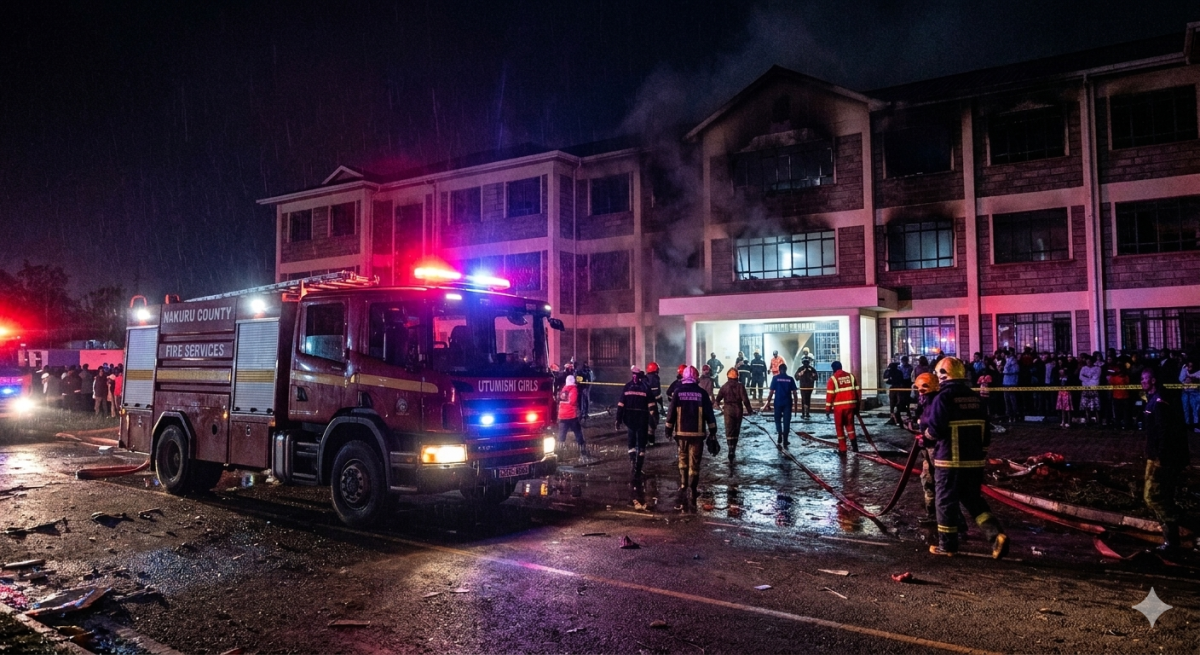
“Prepared students are more likely to remain calm and make safer decisions during emergencies,” a safety awareness statement by St John Ambulance Kenya noted
Many schools conduct fire drills, but in some institutions, the exercises are either irregular or not taken seriously. Regular drills help students identify escape routes, assembly points, and the safest way to evacuate crowded dormitories or classrooms.
The Ministry of Education has previously encouraged schools to strengthen safety procedures following repeated fire incidents reported in different parts of the country.
Panic during emergencies can increase danger
One major challenge during school fires is panic. Fear and confusion can quickly spread among students, especially in boarding schools where large numbers of learners share dormitories.
According to the National Disaster Management Authority, delayed evacuation and lack of awareness often contribute to injuries during emergencies. “Knowing what to do in the first few minutes of a fire can save lives,” the authority stated.
Students who are unfamiliar with emergency exits may waste time trying to collect belongings or waiting for instructions. In some cases, blocked exits and overcrowded rooms have also made evacuation difficult.
Safety experts continue to encourage schools to involve students in regular discussions about emergency response instead of limiting the information to teachers and administrators only.
Building a safety culture in schools
Education stakeholders now say schools need to make safety part of everyday learning rather than reacting only after tragedy strikes.

Simple measures such as checking electrical systems, keeping exits clear and teaching students how to report warning signs can help prevent disasters. Learners are also being encouraged to avoid risky behavior that may trigger fires in dormitories or classrooms.
Parents, too, are increasingly paying attention to safety measures before choosing schools for their children. Safety in schools should be treated with the same seriousness as academic performance.
As investigations continue into recent school fire incidents, the conversation around preparedness is growing louder. Many believe that empowering students with emergency knowledge may be one of the most important steps schools can take in protecting lives.