Advertisement
Why every Kenyan home needs an emergency preparedness kit
30th May, 2026 12:11 PM
Heavy rains bringing flash floods, sudden electricity blackouts, and unexpected health alerts are real challenges for many Kenyan households.
When these disruptions hit, emergency services often face delays due to traffic gridlock or overwhelmed infrastructure.
Having a basic emergency kit at home ensures that a family can manage safely before regular services resume.
A study on disaster preparedness in Kenya published in the Journal of Disaster Preparedness highlights that “investments should be made whether the disaster occurs or not as the net benefits outweigh the costs.”
As per lead researcher Karen Rono-Bett, preparing early keeps a household safe and organised when regular utilities fail.
Essential supplies and storage
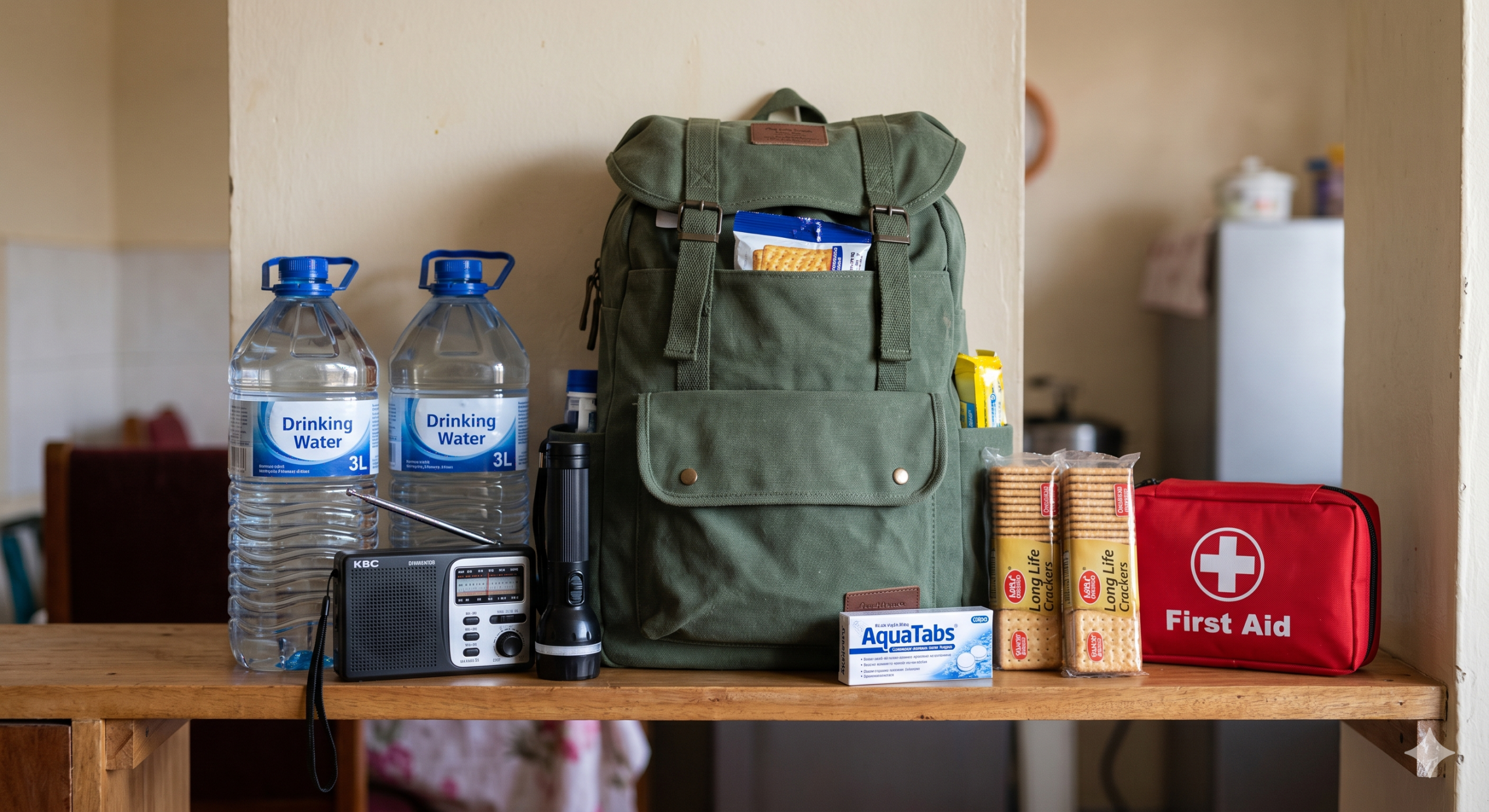
A household kit must sustain every family member for at least three days. Clean water is the absolute priority, requiring three litres per person per day for drinking and basic sanitation.
Pack shelf-stable foods that require no cooking, such as canned beans, crackers, and nuts. The kit must also include a manual can opener, a battery-powered radio, a flashlight, and extra batteries to counter prolonged blackouts.
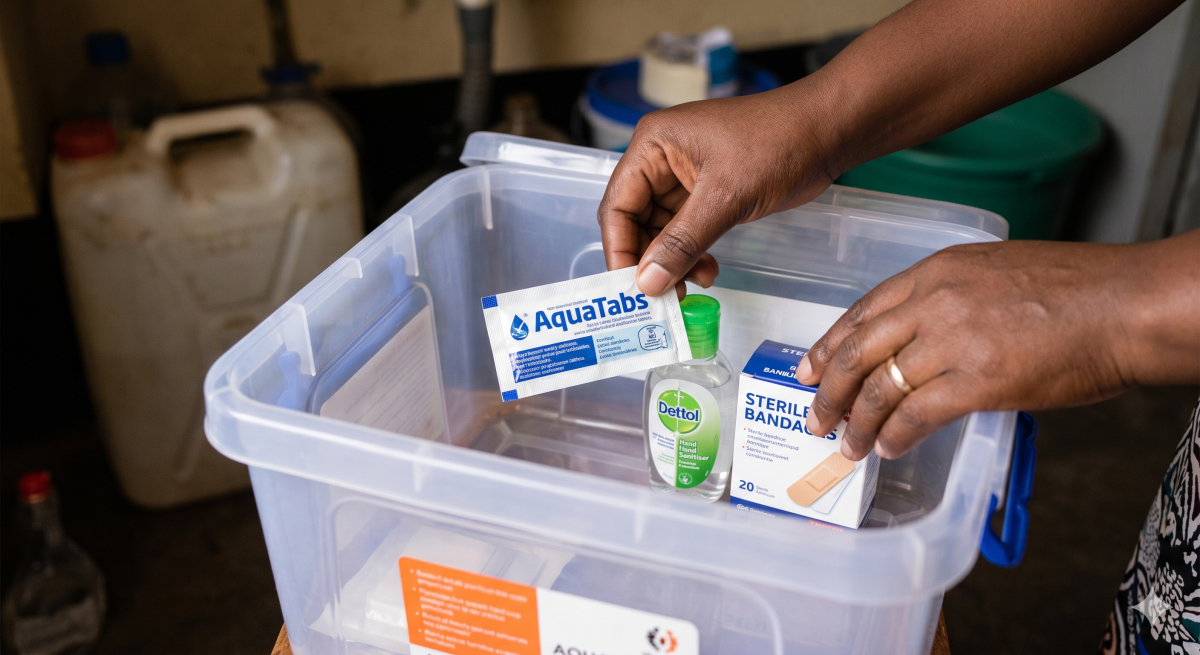
The kit must also contain antiseptic wipes, bandages, surgical tape, and essential personal medications. Include a bottle of water purification tablets and a bottle of hand sanitiser to protect the family from waterborne diseases.
Store all these items together in a single, waterproof backpack or a clear plastic container. Place it near the main door or exit so anyone can grab it quickly if there is a need to leave the house.
Monthly maintenance routine
An emergency kit is only useful if the items inside are ready for use. Setting a reminder for a quick check on the first Saturday of every month keeps the kit functional.
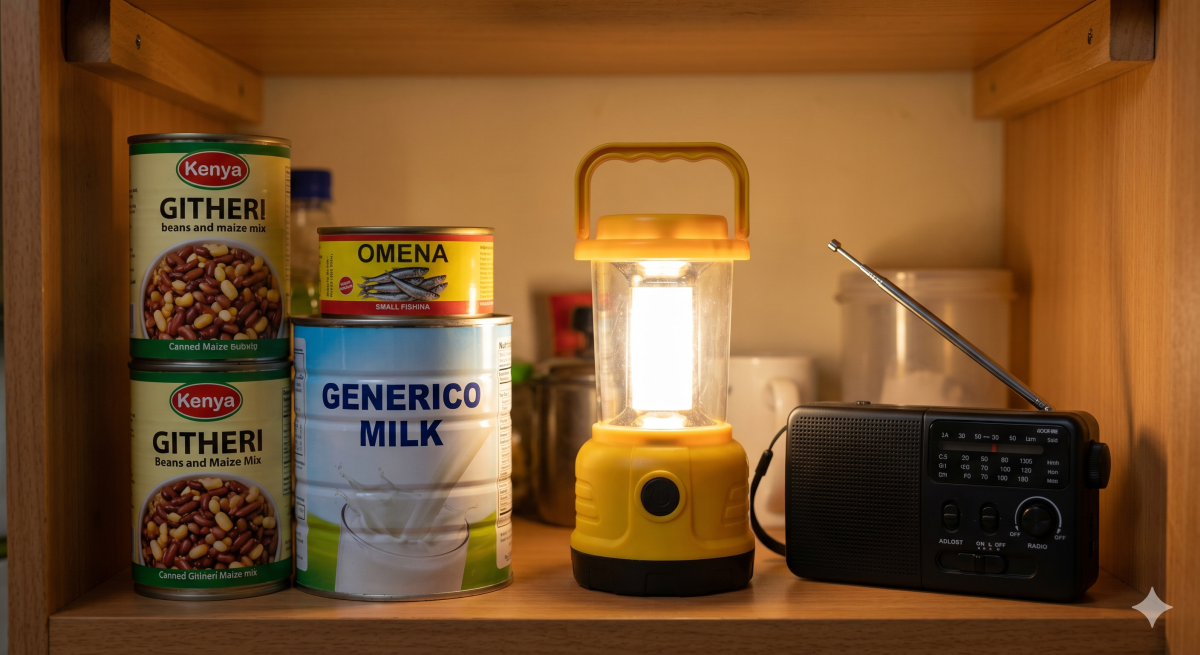
Use this time to look at the expiration dates on canned food, water purification tablets, and medicines. Replace anything that expires within the next three months.
Turn on the flashlight and radio to make sure the batteries still work and have not leaked. This brief inspection ensures that the household will not face a crisis with dead batteries or spoiled food.