Advertisement
Simple first aid steps on how to save an electrocuted person
25th May, 2026 01:56 PM
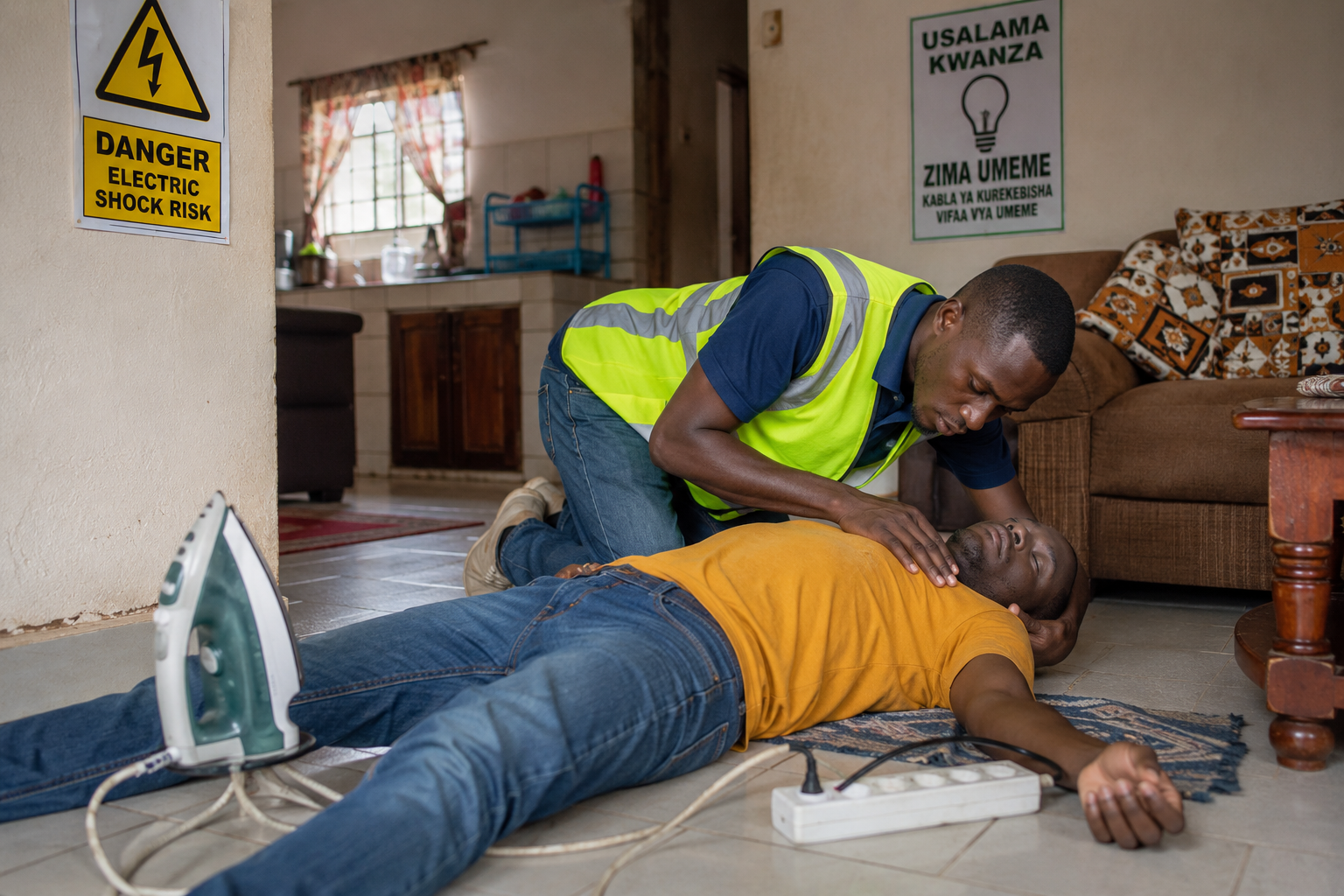
Electric shock accidents can happen in places people consider safe every day, including homes, workplaces and schools. From faulty phone chargers to exposed wires and damaged appliances, a small mistake around electricity can quickly turn dangerous.
While some shocks may appear mild, others can cause serious burns, breathing problems or even cardiac arrest. Knowing what causes electric shock and how to respond during an emergency can help save a life before professional medical help arrives.
Common causes of electric shock
An electric shock happens when an electric current passes through the body. According to the World Health Organisation, several everyday situations can expose people to electric injuries.
One of the leading causes is touching exposed or damaged electrical wires. Old extension cables, broken sockets and poorly connected appliances can also increase the risk. Using electrical items with wet hands or near water is another common danger because water conducts electricity easily.
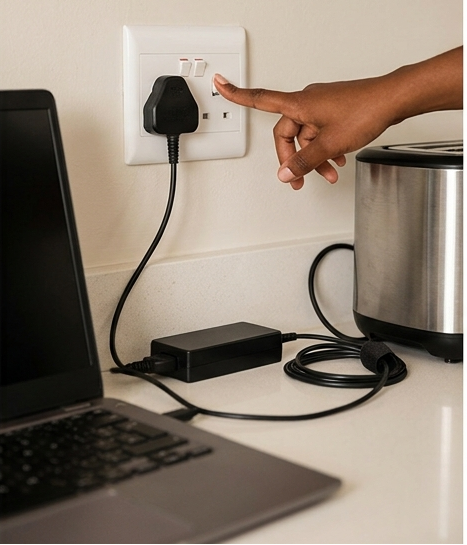
Children are also at risk when they insert objects into sockets or touch uncovered wires around the house. In some cases, lightning strikes and contact with high-voltage power lines can cause severe electric shock injuries.
“Electricity should never be underestimated because even a brief shock can affect the heart, muscles, and internal organs,” the Cleveland Clinic noted.
What to do when someone gets shocked
The first thing to remember is not to touch the victim immediately if they are still in contact with the electrical source. Doing so may cause the rescuer to get shocked as well.
Power should be switched off first from the main source if possible. If the electricity cannot be turned off quickly, a dry wooden object, a plastic item, or a rubber material can be used to separate the person from the source safely. Metal or wet objects should never be used.
After moving the victim away from danger, check if they are breathing and conscious. If the person is unconscious and not breathing, cardiopulmonary resuscitation (CPR) should begin immediately while emergency services are contacted.
Burns caused by electricity should be covered gently with a clean, dry cloth. Ice, ointments or butter should not be applied because they may worsen the injury. Even if the victim seems fine afterward, medical attention is still important since electric shock can cause hidden internal injuries.
Simple ways to prevent electric shock
Prevention remains the safest protection against electrical accidents. Experts from the Centres for Disease Control and Prevention recommend replacing damaged cables immediately and avoiding overloading sockets with many appliances.
Homes with children should have protective socket covers installed. Electrical repairs should also be handled by qualified technicians instead of attempting risky DIY fixes.
People are further advised to unplug appliances before cleaning them and avoid using electronics near water sources such as sinks, bathrooms or swimming pools.
Learning basic first aid skills can also make a major difference during emergencies. In many cases, quick and calm action before medical help arrives is what helps reduce serious injuries or fatalities.