Advertisement
How football rivalries affect friendships
12th June, 2026 08:11 PM
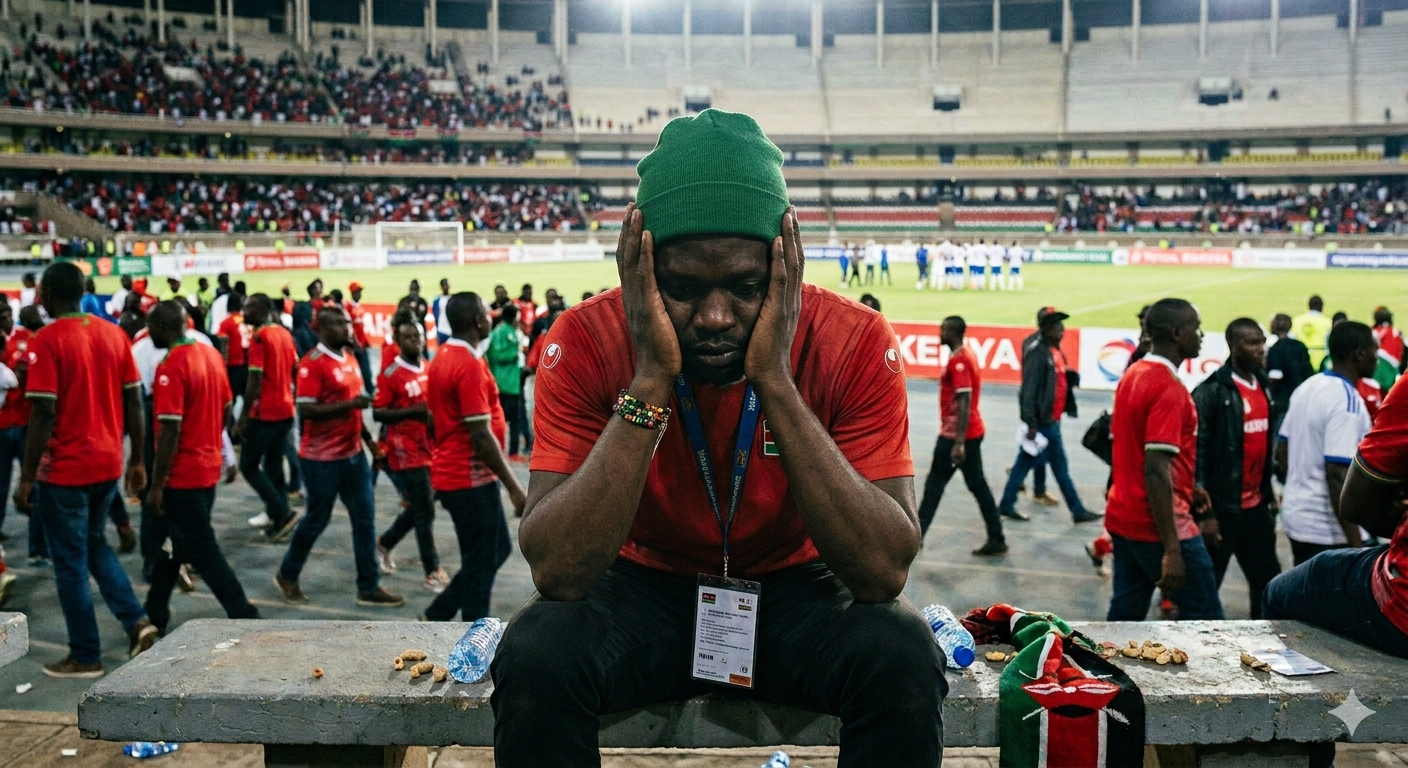
Football rivalry is one of the strongest forces shaping how the game is played and experienced, especially during major tournaments like the World Cup. It goes beyond the pitch, influencing players, fans, media conversations and even national moods.
While rivalry adds excitement and passion to the sport, it can also bring pressure, tension and at times division. According to FIFA’s own tournament analysis reports, matches between rival nations consistently attract higher viewership, stronger emotional reactions and increased global engagement.
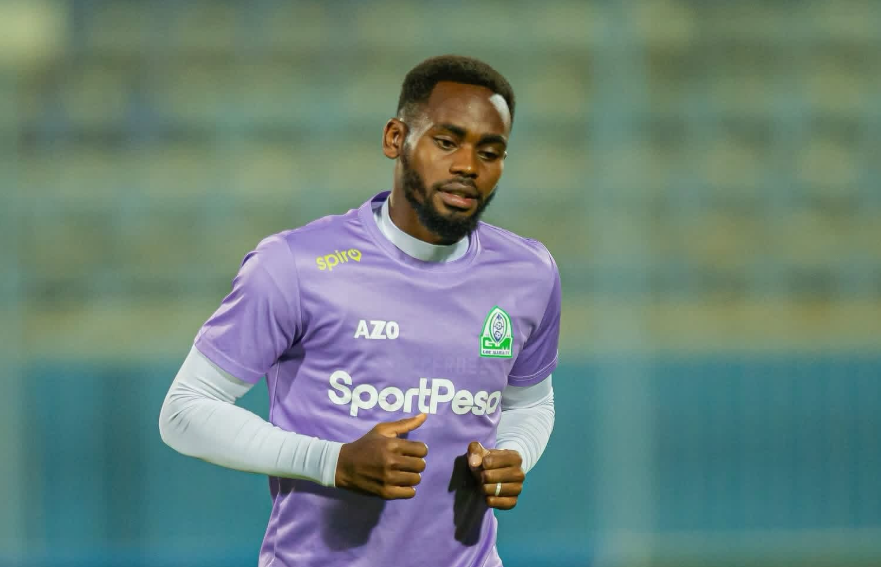
Pressure on players during matches
One of the most visible effects of football rivalry is the pressure it places on players. When two rival teams meet, the expectation to perform well increases significantly. Players are often aware that a single mistake can shift national conversations and online reactions within seconds.
This pressure can lead to both positive and negative outcomes. On one hand, rivalry can push players to perform at their highest level, increasing intensity and competitiveness. On the other hand, it can also lead to rushed decisions, tactical errors or emotional reactions on the pitch.
Those high-emotion matches often influence concentration levels and decision-making in elite football.
How fans shape the rivalry culture
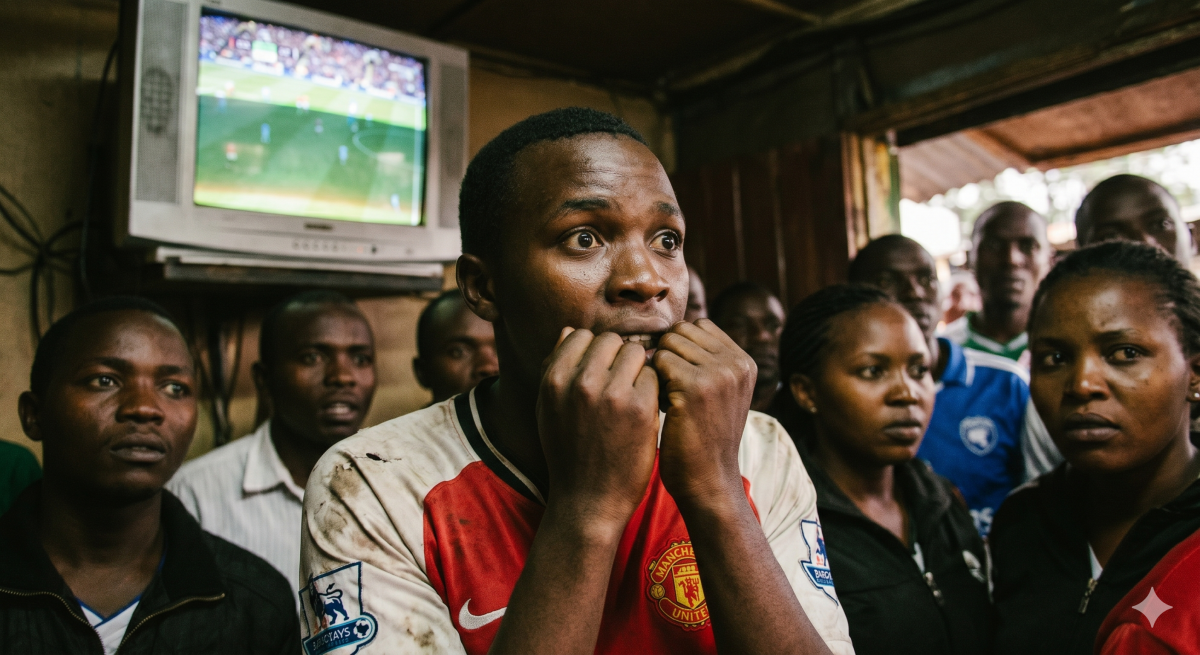
Football rivalry is not only seen on the pitch but also in the stands and online spaces. Fans play a major role in building the atmosphere around these matches. During the world cup, social media becomes a space where rival supporters express pride, humour and sometimes heated debates.
While friendly banter is part of the game’s culture, it can sometimes escalate into hostility. According to behaviour reports, strong rivalries can lead to increased emotional responses, especially during knockout stages where elimination is at stake.
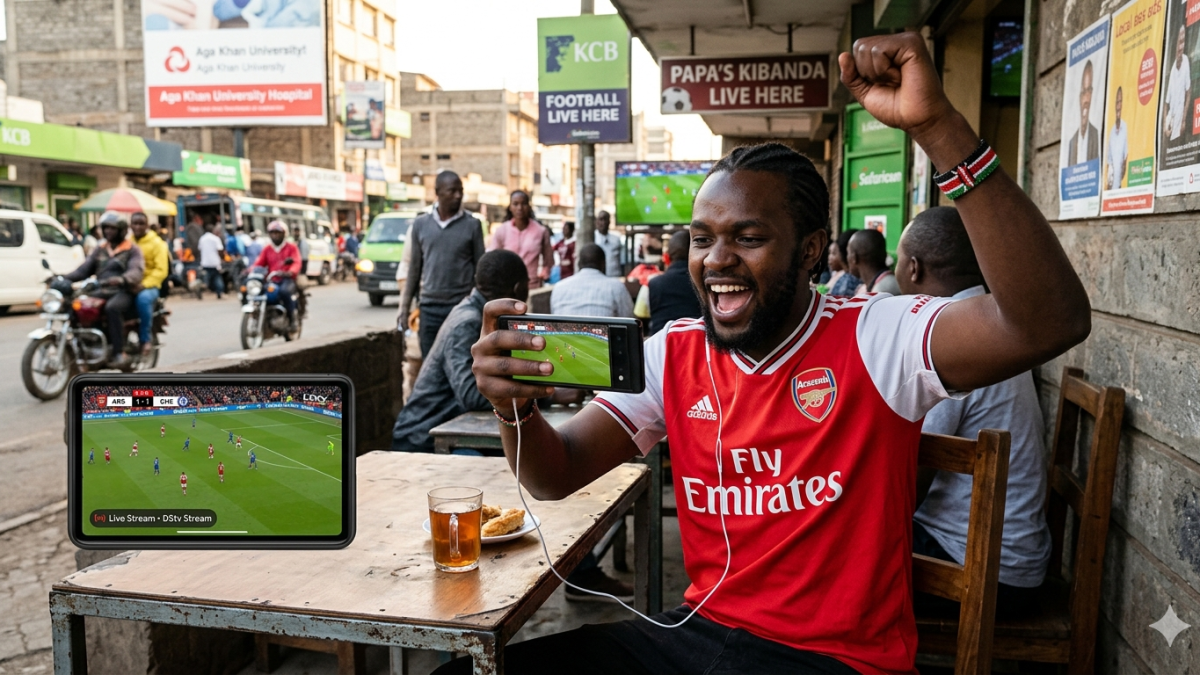
However, rivalry also brings fans together in unexpected ways. It creates shared experiences, watch parties and global conversations that make football more than just a sport.
Media attention and global narratives
Media coverage also plays a key role in shaping rivalry. Headlines often highlight historic matchups, past results and emotional storylines leading into games. This builds anticipation and increases interest among neutral viewers.
During World Cup seasons, rival matches often dominate news cycles and social media trends. This increased attention boosts tournament visibility but can also add pressure on teams to meet public expectations.
Reports from FIFA media channels show that rivalry matches consistently generate the highest engagement compared to non-rival fixtures.

When rivalry becomes a concern
While rivalry is an important part of football culture, it can sometimes lead to negative outcomes. In rare cases, it contributes to aggressive fan behaviour or online abuse directed at players and teams.
Football governing bodies continue to promote campaigns encouraging respect and fair play. ‘Say No to Racism’ and fan behaviour initiatives, the goal is to ensure rivalry remains healthy and does not cross into discrimination or violence.
Football rivalry will always remain a key part of the World Cup experience. It brings excitement, emotion and unforgettable moments to the game. However, maintaining balance is important to ensure that passion does not turn into negativity.