Advertisement
5 embarrassing moments to avoid when visiting in-laws
23rd May, 2026 06:33 PM
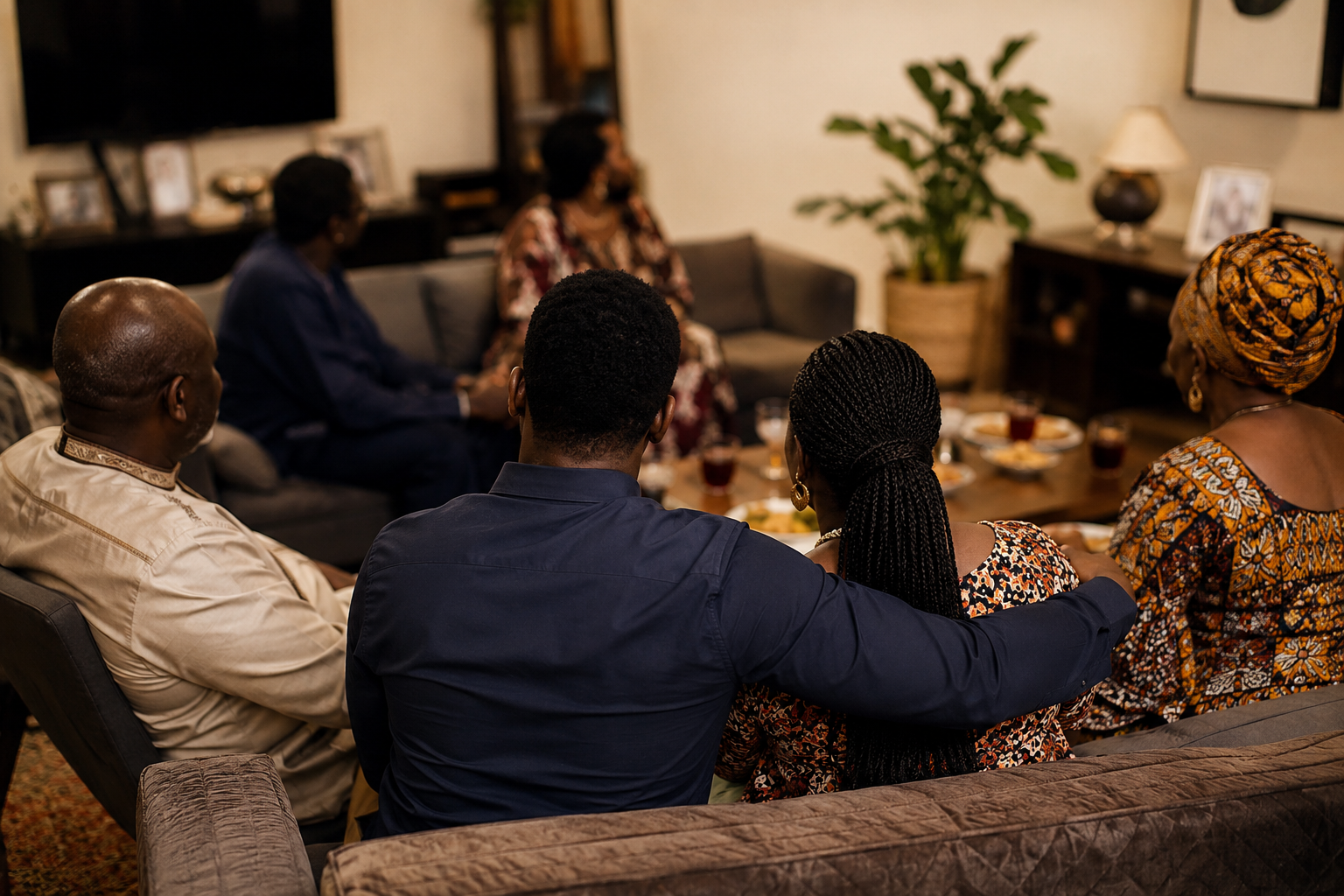
Visiting in-laws can either strengthen relationships or create awkward memories that people never forget.
In many African families, especially among communities such as the Agikuyu, Luo, Luhya, Kamba and Meru, respect inside an in-law’s home matters a lot.
The way someone talks, eats, dresses or behaves is often quietly observed even when nobody says it openly.
Sometimes people embarrass themselves without realising it because they become too relaxed or ignore simple social boundaries.
While nobody expects perfection, certain moments can easily damage impressions and create unnecessary tension within the family.
Getting too comfortable too fast
One common mistake is behaving as if the in-laws’ home is already your personal house after only a few visits.
Some people start ordering others around, lying carelessly on sofas, entering private rooms without permission or speaking too casually with elders.
Familiarity is good, but too much comfort too early can appear disrespectful.
Even if the family is welcoming, maintaining some level of courtesy and restraint always leaves a better impression.
Drinking excessively during family gatherings
Alcohol has embarrassed many people in front of their in-laws.
Someone arrives looking calm and respectful, then after a few drinks, they become loud, emotional, flirtatious or start exposing private relationship matters publicly.
Others end up sleeping carelessly, arguing or behaving in ways they regret later.

Family gatherings require self-control. Once respect disappears because of alcohol, rebuilding that image can become difficult.
Criticising food, culture or family traditions
Another embarrassing mistake is openly complaining about food, traditions or the way the family does things.
In many homes, meals are prepared with effort and pride.
Rejecting food rudely or comparing one family’s traditions to another can easily offend people silently.
Even if something feels unfamiliar, maturity matters. Respecting different family cultures helps relationships remain smooth and peaceful.
Oversharing relationship problems
Some people become too free around in-laws and start exposing every disagreement happening in their relationship.
Complaining constantly about your spouse, discussing bedroom matters or revealing private fights may create long-term problems. Family members rarely forget damaging information once they hear it.
Not every disagreement needs a family meeting. Some matters should remain between couples unless genuine help is needed.
Ignoring elders or acting disrespectfully
Simple things like refusing greetings, remaining on the phone while elders speak or answering rudely can quickly create a negative image.
In many African homes, respect is shown not only through words but also through behaviour, tone and attentiveness. Elders often notice small actions even when they say nothing immediately.
A respectful visitor is usually remembered positively long after leaving.
Why good in-law relationships matter
Strong relationships with in-laws often make marriages easier and more stable. Good in-laws can offer emotional support, guidance during difficult times and help when raising children or handling family challenges.
That is why protecting these relationships matters.
Small embarrassing moments may look harmless at first, but repeated disrespect or poor behaviour can slowly damage trust within the extended family.
At the end of the day, visiting in-laws is not about pretending to be perfect.
It is about showing maturity, respect and self-awareness in a space that values family honour and relationships deeply.