Advertisement
Philippines earthquake: What happens to the body during an earthquake?
10th June, 2026 12:29 AM
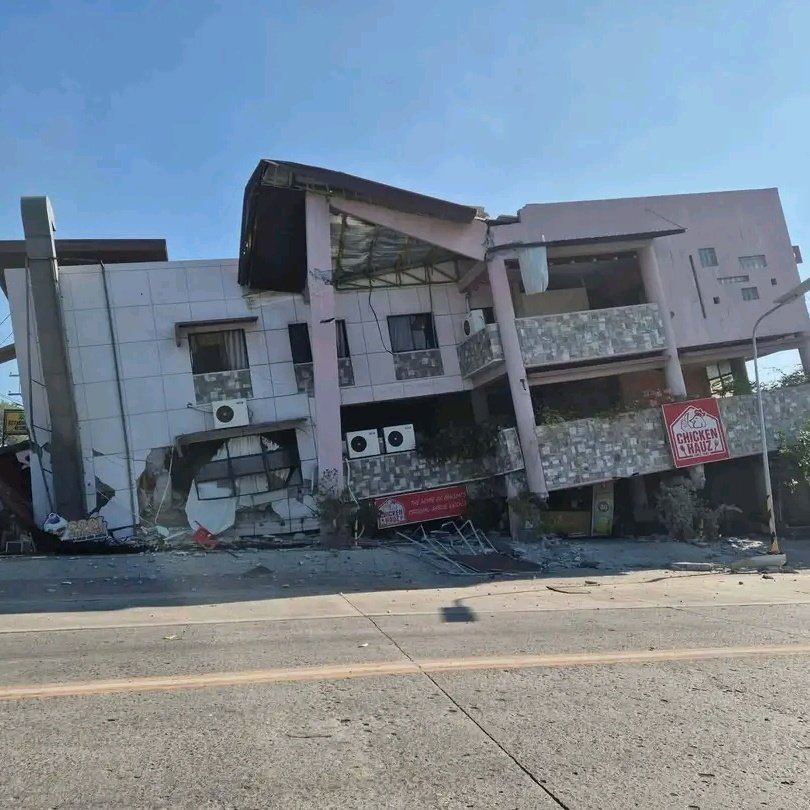
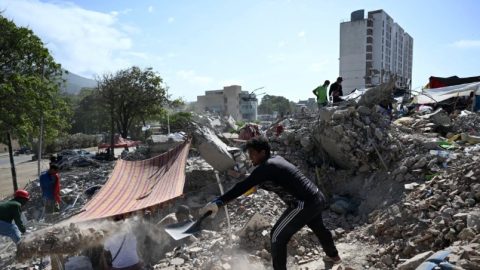
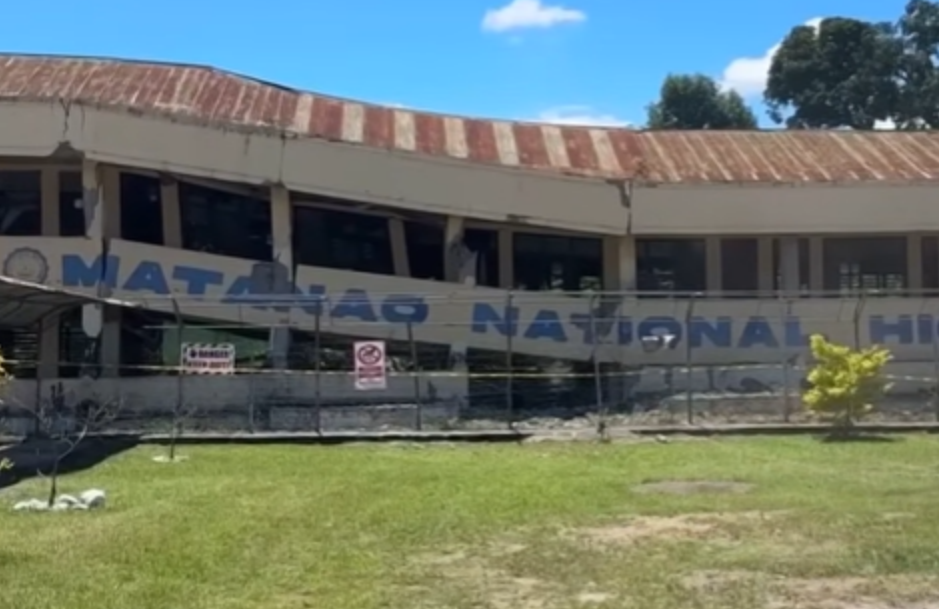
The Philippines earthquake has once again drawn global attention to the dangers of living in one of the world’s most seismically active regions.
Whenever an earthquake in the Philippines today triggers widespread concern, many people immediately search for information about casualties, tsunami warnings, safety measures and what to do next.
Beyond the shaking ground, earthquakes also trigger powerful reactions inside the human body. Understanding these reactions can help people stay calm and make safer decisions during emergencies.
Why earthquakes happen
The Philippines sits along the Pacific Ring of Fire, a region where several tectonic plates constantly move and interact.
An earthquake occurs when stress builds up between sections of the Earth’s crust and is suddenly released.
This release sends seismic waves through the ground, causing the shaking felt during a Philippine earthquake or Mindanao earthquake.
Because the country lies near active fault lines and plate boundaries, earthquakes today are a recurring reality for many communities.
The body’s emergency response
When the ground begins to shake, the brain instantly recognises danger.
The amygdala, the part of the brain responsible for processing fear, sends distress signals throughout the body. Within seconds, the adrenal glands release adrenaline and cortisol, commonly known as stress hormones.
These chemicals prepare the body to react quickly.
Many people experience:
- Rapid heartbeat
- Faster breathing
- Sweaty palms
- Trembling
- Dizziness
- Sudden alertness
These reactions are normal survival responses.
Why panic happens
Earthquakes create uncertainty.
Unlike storms, floods or other disasters that often provide warning signs, an earthquake today can strike without notice.
The brain struggles with situations where people feel a loss of control. This uncertainty can trigger panic, confusion and poor decision-making.
Experts say panic often causes more injuries than the shaking itself because people rush toward exits, jump from buildings or ignore safety procedures.
Government response measures
When a major Philippines earthquake or tsunami warning occurs, emergency agencies typically activate disaster response plans.
Authorities focus on:
- Search and rescue operations
- Medical assistance
- Evacuations
- Damage assessments
- Temporary shelters
- Public safety announcements
In coastal areas, a tsunami warning may require immediate movement to higher ground to avoid dangerous waves.

Rapid communication between government agencies, emergency responders and local communities is critical during the first hours after a disaster.
Earthquake safety tips
Safety experts recommend remembering three simple words:
Drop, Cover and Hold On.
If indoors:
- Drop to your hands and knees.
- Take cover under sturdy furniture.
- Hold on until shaking stops.
Stay away from:
- Windows
- Glass
- Shelves
- Heavy objects
If outdoors:
- Move away from buildings, trees and power lines.
- Stay in an open area.
If driving:
- Pull over safely.
- Remain inside the vehicle until the shaking ends.
Tsunami warning safety
A tsunami warning should always be taken seriously.
If a strong earthquake occurs near the coast and authorities issue a tsunami warning, move immediately to higher ground.
Do not wait to see waves before evacuating. Tsunamis can travel at high speeds and may arrive with little warning.
Follow official instructions and avoid returning to coastal areas until authorities declare them safe.
Recovery after shaking
Even after an earthquake ends, the body may continue reacting to stress.
People commonly report:
- Trouble sleeping
- Anxiety
- Fatigue
- Difficulty concentrating
These reactions usually improve with time, rest and support from family and community members.
Whether the topic is a Philippines earthquake, a Mindanao earthquake or a tsunami warning, understanding both the science of earthquakes and the body’s response can help people stay safer and more prepared when the unexpected occurs.