Advertisement
How to change a bad entry on your KRA portal without triggering a scary audit
05th July, 2026 02:52 PM
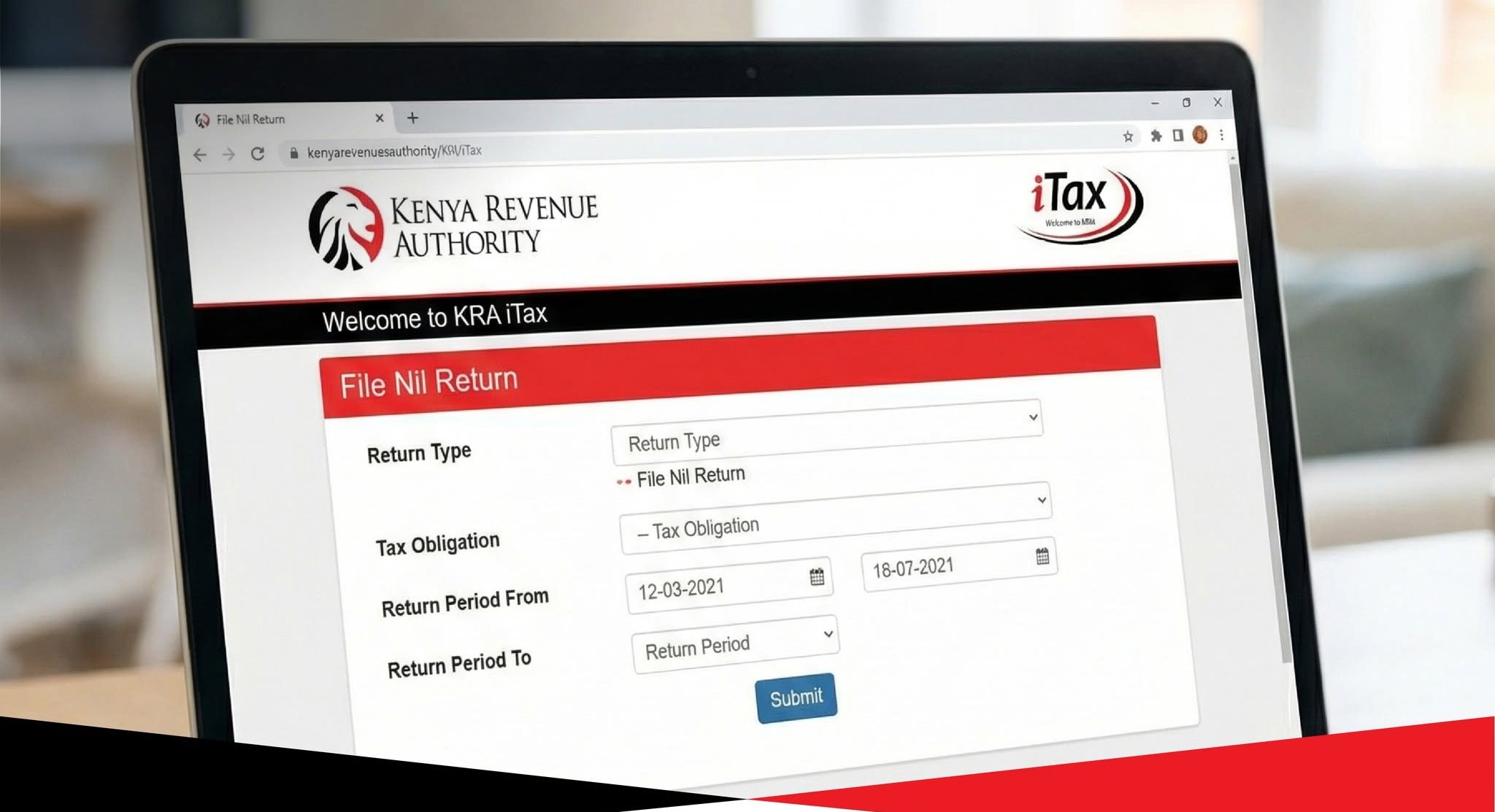
Filing your tax return is often one of the most stressful financial responsibilities for many taxpayers, and that stress can multiply the moment you discover that you made a mistake after submitting your return on the Kenya Revenue Authority (KRA) iTax Portal.
Whether you accidentally overstated your business income by adding an extra zero, entered your gross salary instead of your taxable pay, omitted a deductible expense, or keyed in incorrect personal relief figures, it is natural to worry that your account will immediately be flagged for an audit.
The good news is that the KRA recognises that genuine mistakes happen. Kenya’s tax laws provide taxpayers with a legal opportunity to amend returns when errors are identified, provided the corrections are made honestly and are supported by accurate documentation. Correcting an error promptly demonstrates good faith and compliance, making it far less likely that your amendment will raise unnecessary concerns.
Understanding the KRA system
Before rushing to amend your return, it is important to understand how the KRA’s automated compliance systems operate. The iTax platform uses risk-based monitoring tools designed to identify unusual patterns that may require further review. An amended return does not automatically trigger an audit.
Instead, the system looks for inconsistencies that significantly differ from the original filing or from information already submitted by third parties such as employers, financial institutions, or withholding agents. For example, if your original return indicated that you owed Ksh50,000 in taxes but your amended return suddenly reduces the liability to zero without adequate supporting evidence, the system may flag the amendment for manual verification by a KRA officer.

Similarly, repeatedly amending the same tax period can create the impression of poor record-keeping or possible concealment of information, increasing the likelihood of additional scrutiny. Another common trigger occurs when employment income declared in an amended return does not match the figures reflected on your employer’s P9 form or Pay As You Earn (PAYE) submissions, resulting in either a rejection by the system or a request for clarification.
Gather and verify all the documents
The safest way to amend a return begins long before logging into the iTax portal. The first step is to carefully gather all the documents that support the correction you intend to make.
Rather than relying on memory or estimates, taxpayers should use official records such as their P9 form, withholding tax certificates, bank statements, eTIMS invoices, expense records, insurance certificates, or any other relevant supporting documentation. Taking time to verify these figures before making changes reduces the risk of introducing new errors and helps ensure that the amended return accurately reflects your tax position.
Relogin
Once you have confirmed the correct information, log into the KRA iTax Portal using your PIN and password. From the Returns menu, select the option to file an amended return and choose the relevant tax obligation, such as Income Tax – Resident Individual, before selecting the specific tax period you wish to amend.
The portal will display details of the return that was originally submitted, allowing you to work from the existing filing instead of starting afresh. This ensures that only the necessary corrections are made while preserving all the information that was originally submitted correctly.
Downloading amended return template
The next step involves downloading the amended return template provided within the portal. The Excel template must be opened with macros enabled, as the automated validation features depend on them functioning properly. At the top of the spreadsheet, you should change the return type from “Original” to “Amended” before making any changes. This tells the system that the file is intended to replace an earlier submission rather than constitute a new filing.
It is important to amend only the fields that contain errors instead of altering unrelated figures that were already accurate. Making unnecessary changes may create inconsistencies that require additional explanation. Once the corrections have been entered, validate the spreadsheet so that the system can check for errors before generating the ZIP file required for upload to the iTax portal.
Supporting documentation
Supporting documentation plays a critical role in ensuring that an amended return is processed smoothly. Whenever your amendment reduces the amount of tax payable or results in a refund claim, KRA may require evidence explaining why the revised figures are correct.
Documents such as a P9 form, insurance premium certificates, withholding tax certificates, eTIMS invoices, or other official financial records should therefore be uploaded together with the amended return.

Incomplete or missing documentation is one of the most common reasons amended returns are delayed, rejected, or referred for further review. Providing clear and accurate supporting evidence from the outset helps demonstrate that the correction is based on genuine information rather than an attempt to reduce tax liability improperly.
Penalties
Taxpayers should also remember that discovering an error in an earlier return does not necessarily mean they will face penalties. Under current tax relief measures, Kenya has introduced a tax amnesty programme running from 1 July to 31 December 2026 for qualifying tax liabilities.
The programme provides relief by waiving eligible penalties and interest on certain outstanding tax debts relating to earlier periods, subject to the conditions set out by the Kenya Revenue Authority. For taxpayers whose amended return results in additional tax becoming payable for eligible historical periods, settling the outstanding principal tax or complying with an approved payment arrangement may enable them to benefit from the amnesty provisions where applicable. This provides an opportunity for individuals and businesses to regularise their tax affairs without the full burden of accumulated penalties and interest.
Author
Steve Ireri
Steve is a senior writer with over four years of experience in digital journalism. His focus is on the showbiz and human interest stories. Emails: [email protected] , [email protected]
View all posts by Steve Ireri