Guide to understanding your electricity bill in Kenya
By Dan Kauna, June 27, 2026Many Kenyans buy electricity tokens or pay monthly bills without really knowing what they are paying for.
A thousand shillings can buy lots of units this month and fewer the next, leaving many families confused. Breaking down the actual math on a bill is the easiest way to regain control over household expenses.
The tariff tiers and monthly changes
The Energy and Petroleum Regulatory Authority (EPRA) groups homes into three distinct bands based on usage.
Domestic Category 1 covers households consuming up to 30 units a month, costing a base energy charge of Ksh12.14 per unit. If consumption falls between 31 and 100 units, the rate shifts to Domestic Category 2 at Ksh16.50 per unit.
Anything above 100 units hits Domestic Category 3 at Ksh18.57 per unit. Slipping into a higher tier immediately drives up basic electricity expenses.

On top of this base cost, monthly adjustments directly affect token values.
On June 20, 2026, EPRA announced a price review, adding an extra Ksh3.87 to every unit. This includes a fuel energy cost of Ksh3.14 to cover diesel generators and a foreign exchange charge of Ksh0.72 to handle currency fluctuations.
Adding the 5 per cent Rural Electrification Programme (REP) levy and a standard 16 per cent Value Added Tax (VAT) shows why statutory fees often outpace the core energy cost.
Shifting habits to lower costs
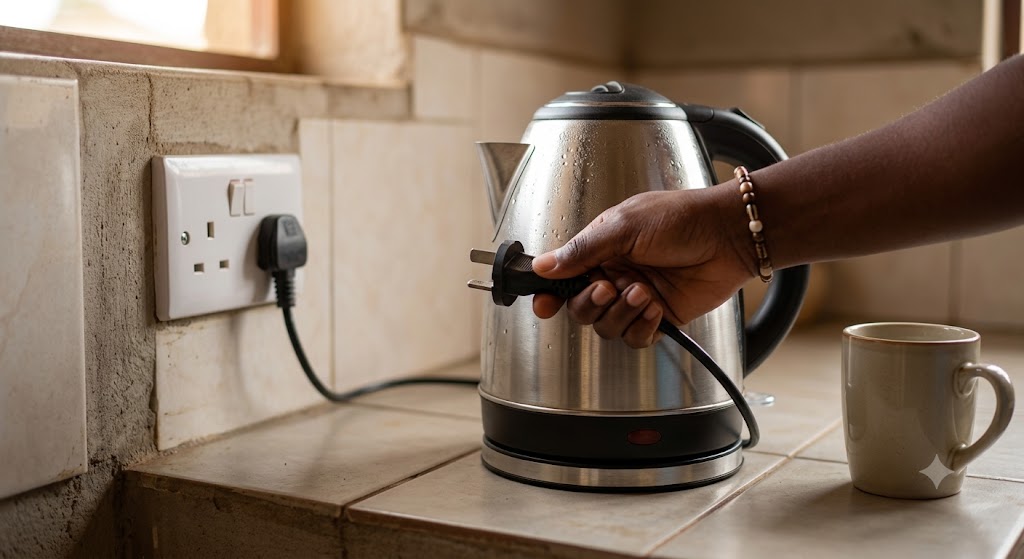
Cutting down a bill requires looking closely at what uses the most power. Instant hot water showers, electric kettles, and iron boxes are the main causes of rapid token depletion.
It’s not just about owning these items, but how long and how frequently they run that impacts the overall bill.
Peer-reviewed research highlights how location and lifestyle choices drive these numbers up. A study on Kenyan electricity use patterns published by Columbia University found that “typical urban and peri-urban customers tend to consume 50 per cent more electricity than rural customers” because of the density of appliances in urban settings.
Saving money doesn’t require living in darkness. Instead, targeting the heaviest appliances brings the largest relief. Ironing clothes in one large weekly batch instead of heating the iron box daily stops energy waste.
Unplugging water dispensers when not in use and limiting instant hot showers can stop a household from slipping into more expensive tariff bands. These minor adjustments can quickly lower monthly power spending.