10 customer service mistakes that make people walk away for good
By Cynthia Lodite, July 23, 2026Excellent customer service is not about perfection; it is about consistency, empathy, and a willingness to solve problems.
Customers are more likely to forgive an honest mistake than repeated poor treatment.
Businesses that invest in staff training, encourage open communication, and place customers at the heart of their operations are more likely to earn trust, positive recommendations, and repeat business.
Exceptional customer service, however, remains one of the strongest ways for a business to stand out and build lasting relationships with its customers.
Ignoring customers
Few things frustrate customers more than feeling invisible. Whether someone walks into a store or sends an inquiry online, acknowledging them promptly shows that their time matters. Even if you are busy, a simple greeting or message letting them know you will assist them shortly can make a positive impression.
Poor communication
Using unclear language, failing to explain policies, or not responding to customer questions can lead to confusion and frustration. Good communication involves listening carefully, providing accurate information, and ensuring customers understand the next steps.
Long response times
Customers increasingly expect quick responses, especially through phone calls, email, social media, and messaging platforms like WhatsApp. Delayed replies can cause customers to seek alternatives, particularly when competitors are only a click away.
Being rude or unprofessional
A dismissive tone, impatience, or arguing with customers can permanently damage a business relationship. Even when customers are upset, staff should remain calm, respectful, and solution-focused. Professionalism often helps de-escalate difficult situations.

Failing to listen
Many businesses focus on giving answers before fully understanding the customer’s concern. Active listening allows employees to identify the real issue and provide more effective solutions. Customers are more likely to remain loyal when they feel heard and understood.
Making promises you cannot keep
Promising unrealistic delivery times, discounts, or services may secure an immediate sale, but failing to deliver damages trust. It is always better to set realistic expectations and exceed them than to disappoint customers with broken promises.
Not taking responsibility for mistakes
Mistakes happen in every business. What matters is how they are handled. Blaming other employees, suppliers, or even customers often worsens the situation. A sincere apology, taking ownership, and offering a practical solution can help rebuild confidence.
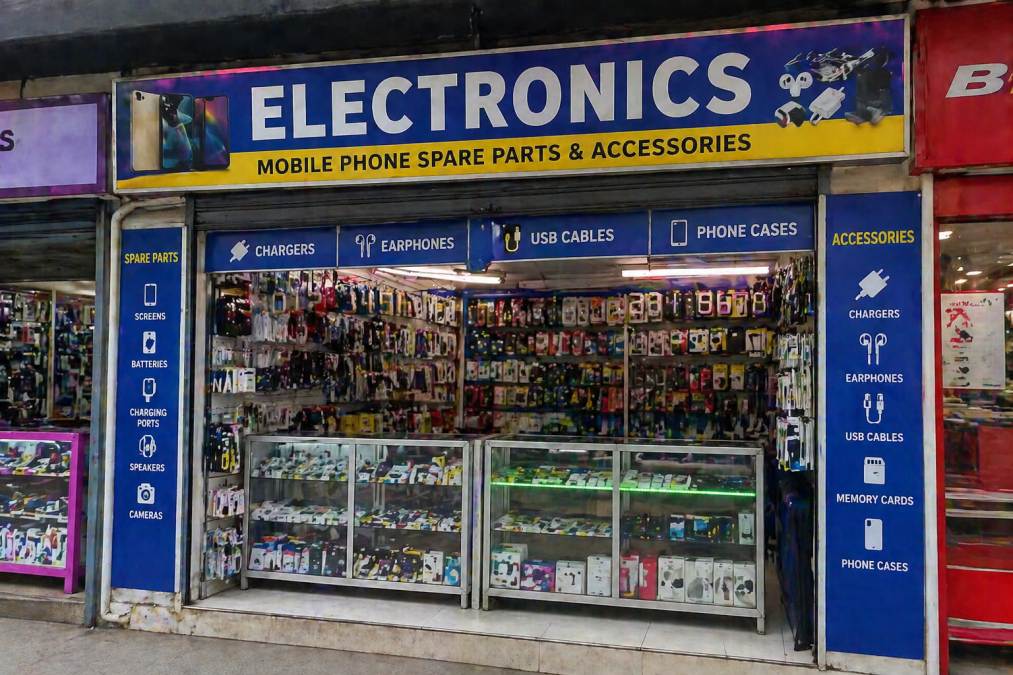
Treating every customer the same
While all customers deserve respect, each person’s needs may differ. Some customers require detailed explanations, while others simply want fast service. Personalizing interactions where possible helps create a better overall experience and makes customers feel valued.
Ignoring customer feedback
Complaints, suggestions, and reviews provide valuable information about what customers expect. Businesses that regularly collect feedback and act on it are better positioned to improve their products and services. Ignoring customer concerns may result in losing loyal customers to competitors.
Neglecting after-sales service
Customer service should not end once payment has been made. Following up after a purchase, honoring warranties, answering questions, and resolving issues demonstrate that a business genuinely cares about customer satisfaction. Strong after-sales support often turns first-time buyers into loyal advocates.