Karua raises alarm over 355 maternal deaths per 100,000 births
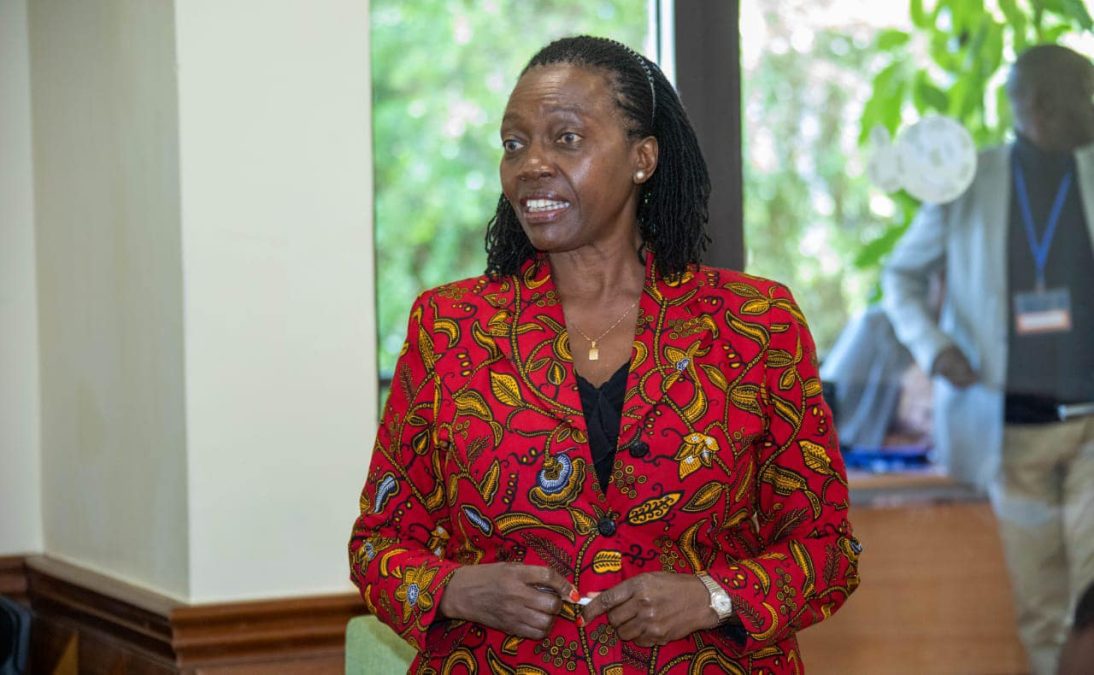
By David Nthua, February 16, 2026The People’s Liberation Party Leader, Martha Karua, has blown the whistle over reports that 355 mothers die in every 100,000 births in Kenya.
On her official, verified X handle on Sunday, February 15, 2026, Karua blamed poor healthcare services as the core problem.
She said that Kenyans no longer get value for the money they pay to the Social Health Authority.

Karua on maternal health crisis
Her remarks came after a local TV station on Sunday, February 15, 2026, aired a report highlighting alarming maternal death rates across the country.
The report cited statistics showing that Kenya records 355 maternal deaths per 100,000 births, with 26 counties accounting for 60 percent of those deaths.
Karua termed the situation unacceptable and called for urgent action.
“The rate of maternal deaths in Kenya is unacceptable and is largely due to poor and inaccessible health services,” she said.
She added that healthcare is a constitutional right and should not be treated as a privilege.
“Healthcare is a right enshrined in our constitution and we must demand accountability from this regime,” Karua stated.
According to the TV report, experts are now exploring the use of artificial intelligence in primary healthcare to help detect high-risk pregnancies early and improve maternal outcomes.
The government is also said to be strengthening blood transfusion services as part of efforts to reduce preventable deaths during childbirth.
Martha Karua questions SHA
Karua also questioned the effectiveness of the Social Health Authority, saying it is not delivering as expected.
“Social Health Authority is not working. We already know SHA funds go straight to an account in Dubai. It does not always come back. People are paying more than they used to pay, and they are getting very little,” she said.
Her comments have sparked debate online, with many Kenyans sharing personal experiences about challenges faced in public health facilities, including a lack of essential supplies and delays in emergency care.
Maternal health experts have repeatedly stressed that many of these deaths are preventable with proper antenatal care, skilled birth attendance, and timely access to emergency obstetric services.
The conversation around maternal health continues to grow, with calls for improved funding, better facilities, and stronger accountability mechanisms to ensure that mothers across all counties receive safe, high-quality care.