Advertisement
Institutions in Kenya named after freedom fighters and where they are located
01st June, 2026 05:00 PM

As Kenya marked the 63rd Madaraka Day celebrations in Wajir County on June 1, 2026, many Kenyans reflected on the long journey toward self-rule.
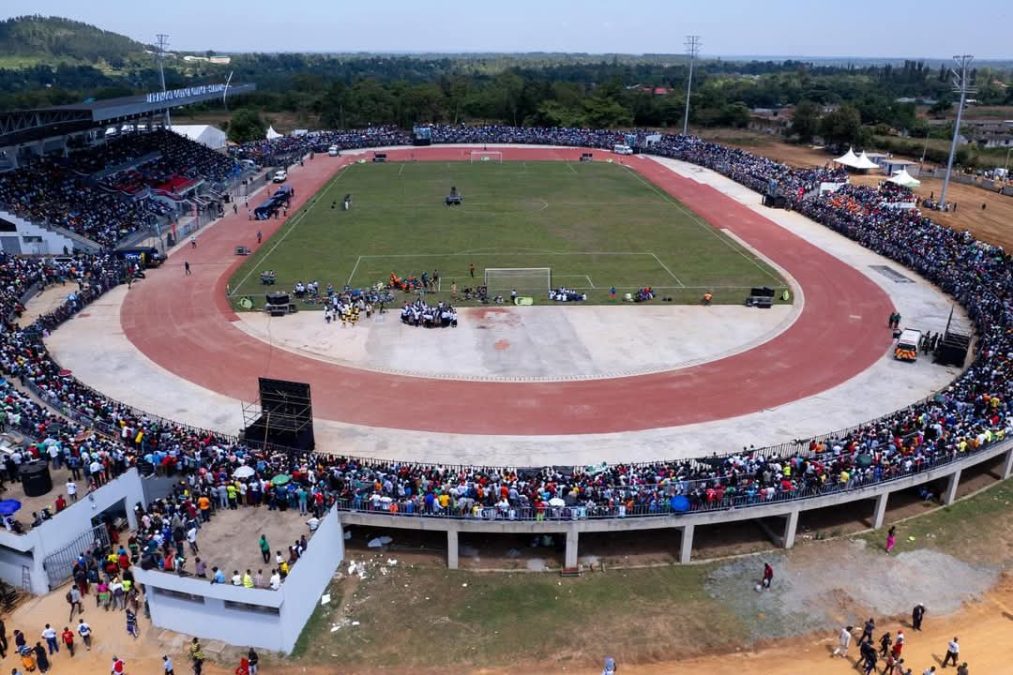
This year’s celebrations were historic because they were held in Wajir for the first time, with President William Ruto leading the national event at the newly built Wajir Stadium.
The choice of Wajir was widely seen as a symbol of national inclusion and recognition of regions that were previously considered marginalised.
Madaraka Day commemorates June 1, 1963, when Kenya attained internal self-government from British colonial rule.
The word “Madaraka” means authority or self-rule, marking the moment when Kenyans began governing their own affairs before full independence.
Across the country, the legacy of the men and women who fought for that freedom lives on through universities, hospitals, roads and public institutions that bear their names.
Jomo Kenyatta
Few names are as visible in Kenya’s public life as that of Jomo Kenyatta. A leading figure in the independence movement, Kenyatta became the country’s first Prime Minister and later its first President after independence.
His name is associated with several major institutions, including Jomo Kenyatta University of Agriculture and Technology, one of Kenya’s leading universities in science, engineering, and technology.
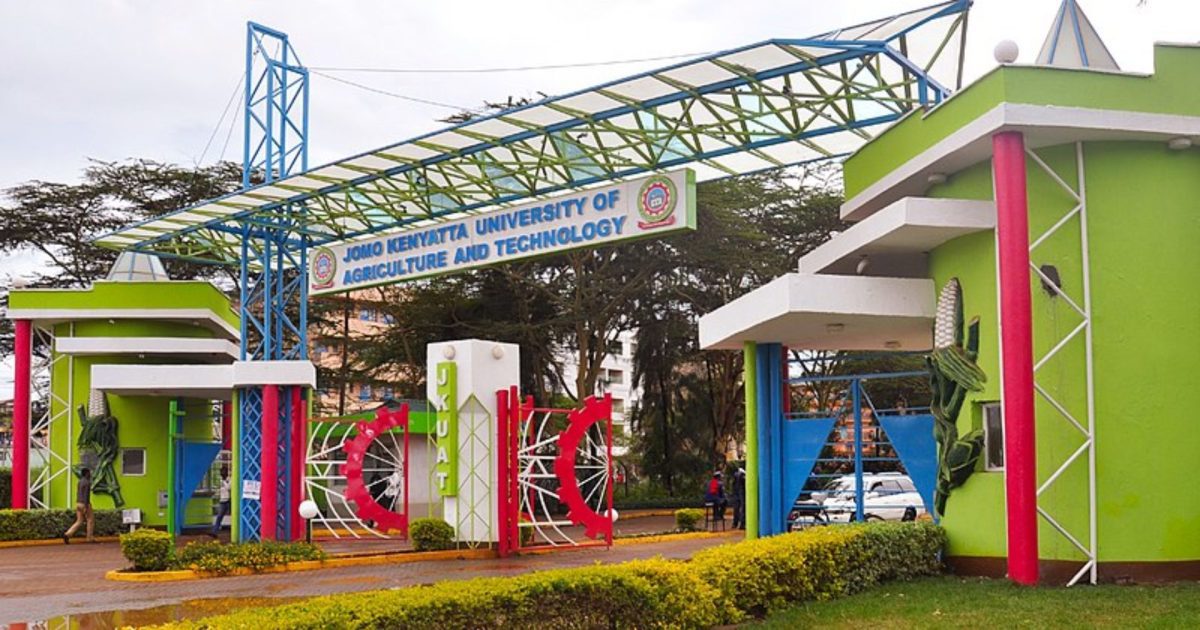
Kenya’s main international gateway, Jomo Kenyatta International Airport, also bears his name, while Kenyatta University and Kenyatta National Hospital continue to serve thousands of students and patients every year.
Dedan Kimathi
Among Mau Mau freedom fighters, Dedan Kimathi remains one of the most celebrated. He became a symbol of armed resistance against British colonial rule during the 1950s.
His legacy is preserved through Dedan Kimathi University of Technology, which was named in his honour. In Nyeri, the Dedan Kimathi Stadium serves sports enthusiasts, while Kimathi Street in Nairobi remains one of the city’s most recognisable roads.
More than perhaps any other Mau Mau commander, Kimathi’s name appears across schools, roads and public facilities in different parts of Kenya.
Ronald Ngala
Ronald Ngala was among the leading nationalist politicians who campaigned for self-rule and represented coastal interests during constitutional negotiations before independence.
His contribution is remembered through institutions and roads carrying his name.
The most notable is Ronald Ngala Utalii College, a leading institution for hospitality and tourism training.
Ronald Ngala Street in Nairobi and Ronald Ngala Road in Mombasa also honour his role in Kenya’s liberation journey.
Masinde Muliro
Masinde Muliro played an important role in Kenya’s constitutional and political struggle against colonial rule.
He was among the key leaders who pushed for reforms that eventually led to self-governance.
Today, his name lives on through Masinde Muliro University of Science and Technology, one of the largest public universities in western Kenya. The well-known Masinde Muliro Stadium in Bungoma and several roads across the country also commemorate his contribution.
Tom Mboya
The story of Kenya’s independence cannot be told without mentioning Tom Mboya.
A charismatic trade unionist and nationalist leader, he became one of the most influential voices in the years leading to independence.
His name remains visible through Tom Mboya Street in Nairobi’s central business district.
Educational and labour institutions in different parts of the country have also been named after him, reflecting his influence on Kenya’s political and economic development.
Jaramogi Oginga Odinga
Jaramogi Oginga Odinga was among the leading figures who championed self-rule and worked closely with other nationalists during the final years of colonial administration.
His legacy continues through Jaramogi Oginga Odinga Teaching and Referral Hospital, one of the largest referral hospitals in western Kenya.
The Jaramogi Oginga Odinga University of Science and Technology also bears his name and serves students from across the country.
General Mathenge
Among Mau Mau commanders, Stanley Mathenge remains a respected figure. During the liberation struggle, he was one of the senior military leaders who organised resistance against colonial forces.
Although fewer major institutions carry his name compared to Dedan Kimathi, Nairobi’s General Mathenge Road remains one of the most prominent roads named after a Mau Mau commander.
Similar roads and public landmarks can be found in parts of Central Kenya where his contribution is still honoured.
Living history
As Kenyans celebrated Madaraka Day in Wajir today, these institutions stood as reminders that the country’s freedom was achieved through the efforts of many individuals, from political negotiators to Mau Mau fighters in the forests of Mount Kenya.
The universities, hospitals and roads named after them ensure that their stories remain part of everyday life.
Whether a student attends university in Kakamega, a traveller lands in Nairobi, or a patient visits a hospital in Kisumu, the legacy of Kenya’s freedom fighters continues to shape the nation they helped build.