Advertisement
How to survive in Nairobi with a Ksh15K monthly salary and save
26th January, 2026 03:49 PM
Nairobi, to some Shamba La Mawe owing to their dreadful experiences, but to many, it is a hub of untapped potential.
Many who migrate to Nairobi from upcountry arrive with one purpose and goal, kutoka block.
Many wake up at dawn, endure the morning cold and the risk of getting mugged to try and make ends meet, with a hope that one day, just maybe one day, things will be nice.
Unfortunately, that dream can never be realised without financial discipline. This article breaks down, in simple and realistic terms, how one can survive in Nairobi with a Ksh15,000 monthly salary and still save.
Accept the reality of your income
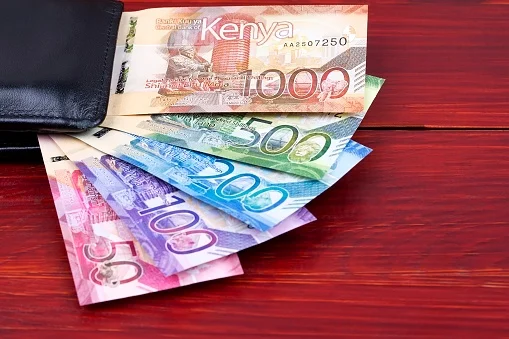
The first step to surviving in Nairobi is accepting how much you earn. A Ksh15,000 salary cannot support a flashy lifestyle, frequent nights out, or impulse spending.
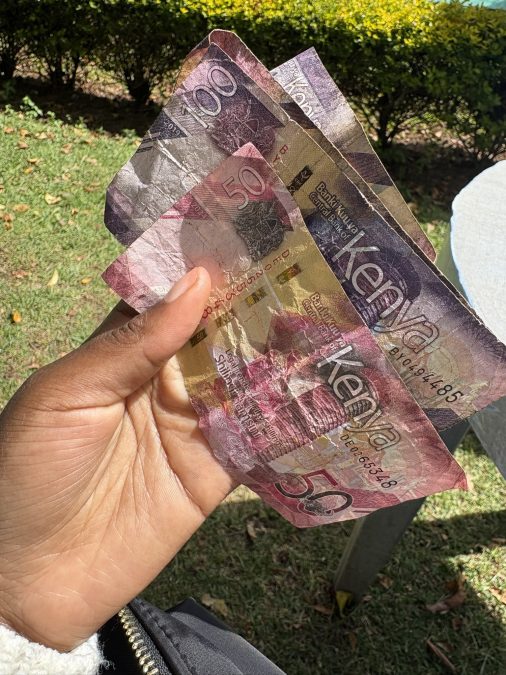
Once you accept this truth, budgeting becomes easier and less stressful.
Discipline begins when you stop competing with people whose income you do not know.
Keep housing simple and affordable
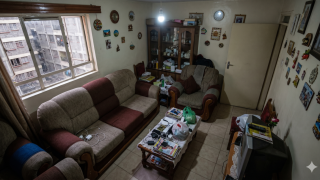
Housing is the biggest expense for most Nairobi residents. With Ksh15,000, a single room is the most practical option.
Areas such as Githurai, Ruiru, Kirigiti, Kayole, Huruma and Kawangware offer single rooms at around Ksh2,000 per month.
These locations are not luxurious, but they are functional and close to affordable public transport. Living within your means on rent gives you breathing space for food, transport and savings.
Plan food and cook at home
Food can easily consume your salary if you are not careful. With proper planning, Ksh3,000 a month is manageable.
This requires cooking at home and avoiding daily purchases of cooked food.
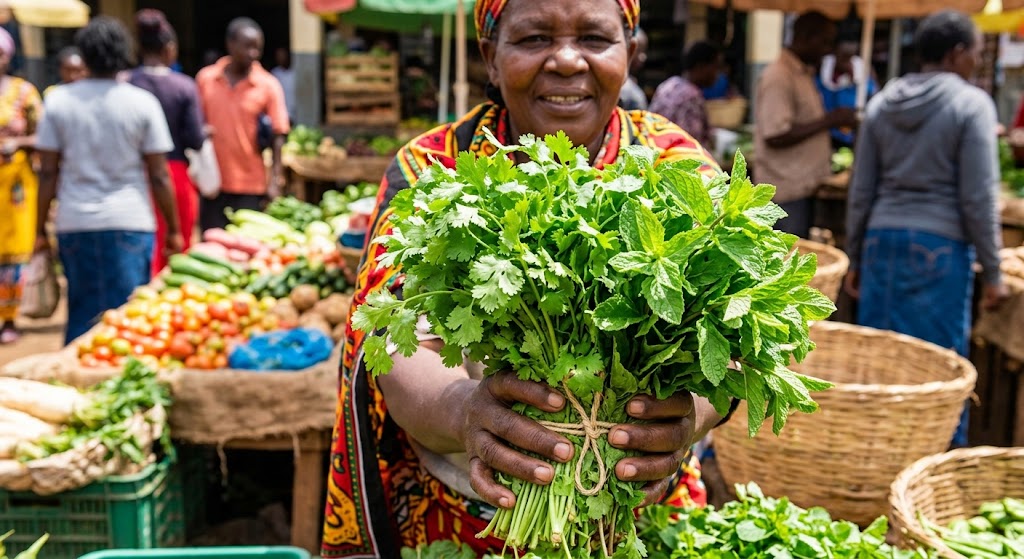
Buying basics such as maize flour, rice, beans, green grams, sukuma wiki, cabbage and eggs from local markets helps stretch your money.
Preparing meals in advance also reduces the temptation to eat out after long workdays.
Control transport costs daily
Transport in Nairobi drains money quietly. Living in areas where fare to and from the CBD ranges between Ksh30 and Ksh50 per trip helps you stay within budget.
With careful movement, Ksh3,000 a month can cover transport.
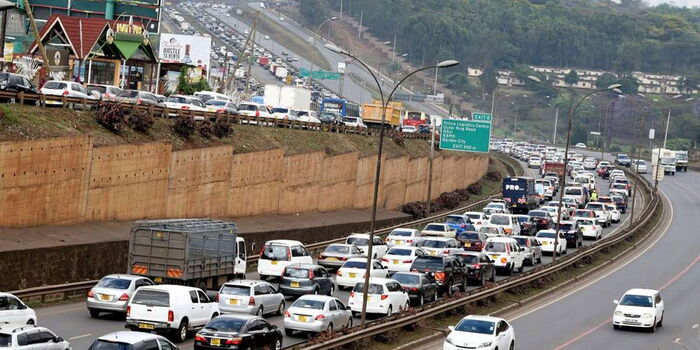
Avoid unnecessary trips, combine errands and walk short distances when possible. Using boda bodas or ride hailing services daily is not sustainable on this income.
Budget for miscellaneous expenses
Miscellaneous expenses include airtime, data, soap, toothpaste, laundry and other personal needs. Allocating Ksh2,000 helps you avoid borrowing for basics.
Small daily purchases feel harmless, but they accumulate fast. Tracking these expenses weekly keeps you in control and prevents mid month panic.
Save consistently, no matter how small
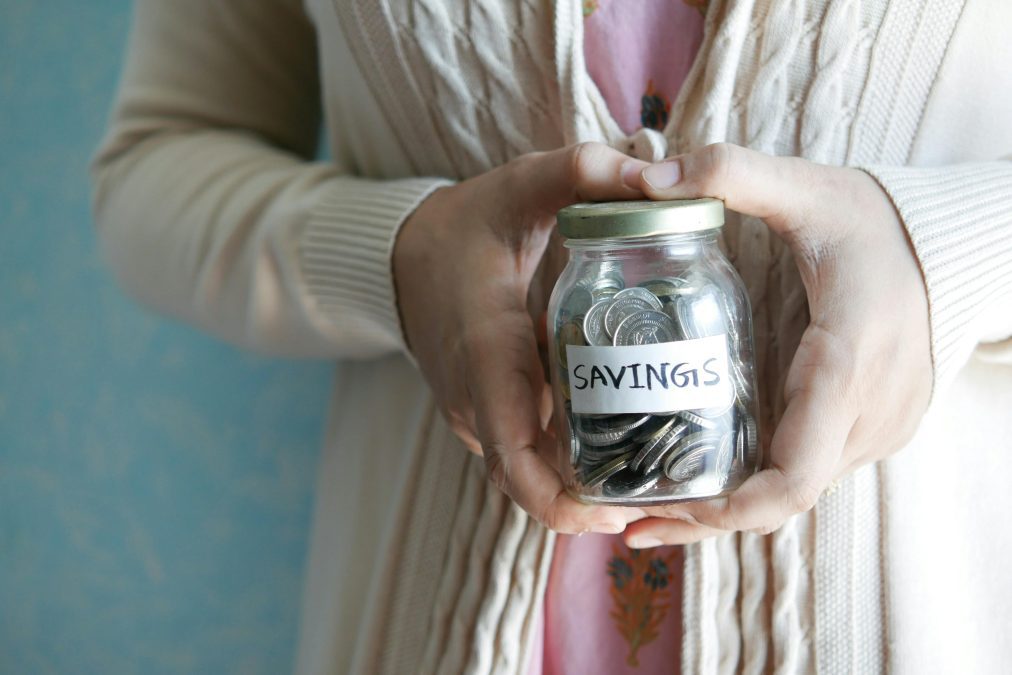
Saving on a Ksh15,000 salary is possible if done intentionally. Setting aside Ksh2,000 immediately after receiving your salary builds discipline and financial confidence.
Savings are not about the amount but the habit. Over time, this habit prepares you for better opportunities and financial stability.
Always have emergency money
An emergency fund of Ksh1,000 can make a big difference. It cushions you from sudden illness, urgent travel or unexpected delays in salary.
Without emergency money, even small problems turn into financial disasters that push people into debt.