Advertisement
How to stay safe during fuel prices hike protests in Kenya
18th May, 2026 02:19 PM
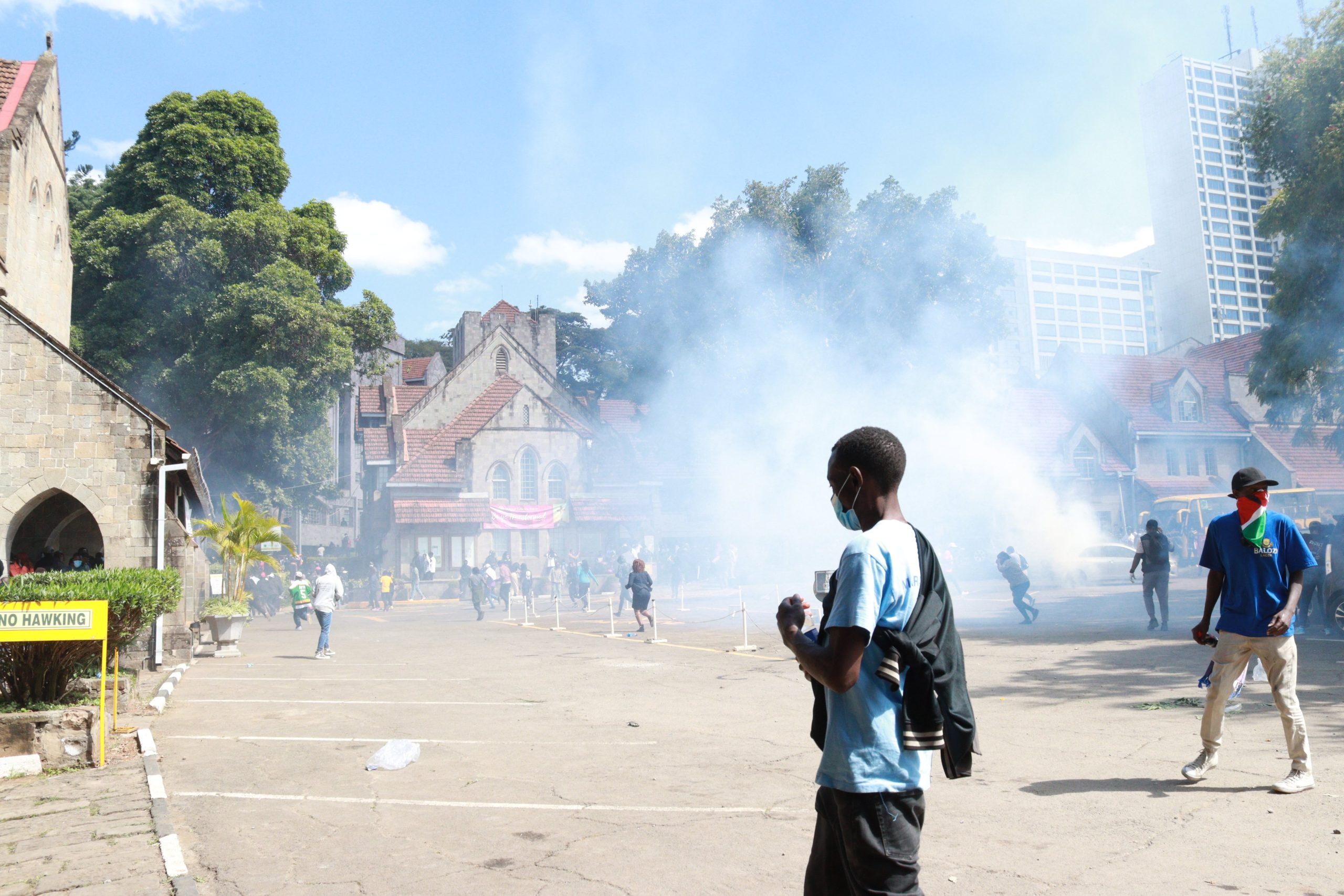
Kenya has witnessed major transport disruptions following nationwide protests over rising fuel prices.
On May 18, 2026, thousands of commuters were stranded after matatu operators, boda boda riders and transport stakeholders withdrew services across several towns and cities in protest against increased fuel costs.
Roads in parts of Nairobi, including Roysambu and sections of Thika Road, were barricaded using stones and burning tyres as demonstrations intensified.
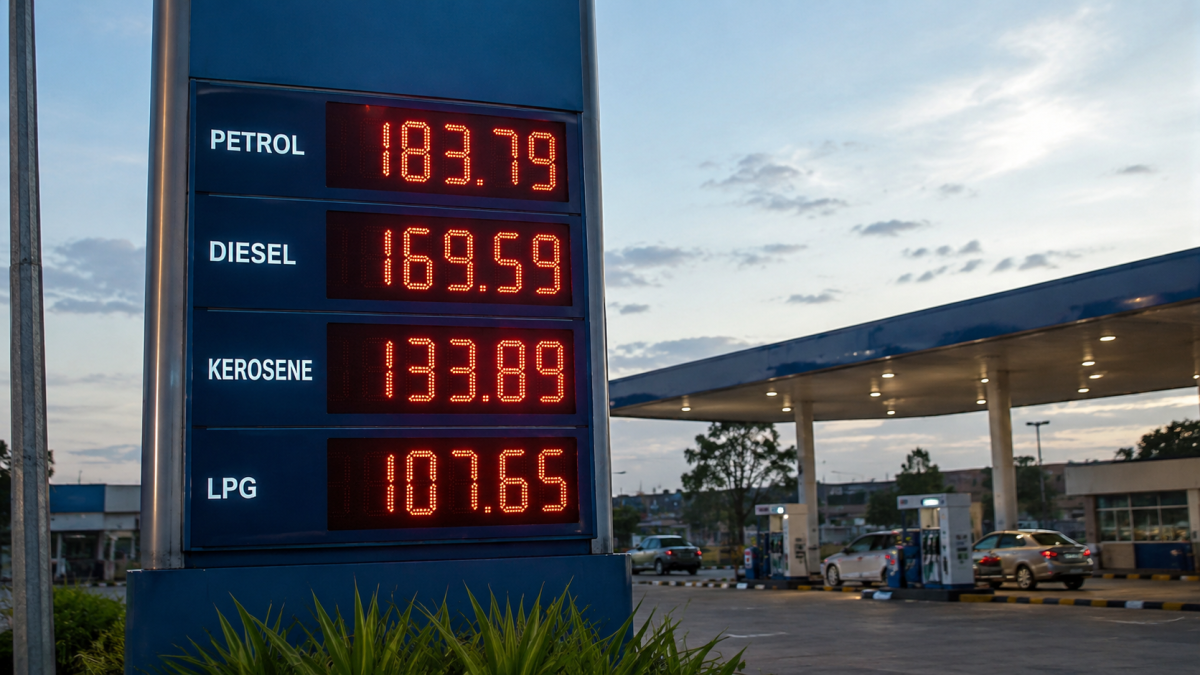
The protests followed a sharp increase in fuel prices announced by the Energy and Petroleum Regulatory Authority (EPRA), with transport operators arguing that the new costs had made business unsustainable.
ome matatu groups also announced fare increases of up to 50 percent as pressure mounted on commuters already struggling with the high cost of living.
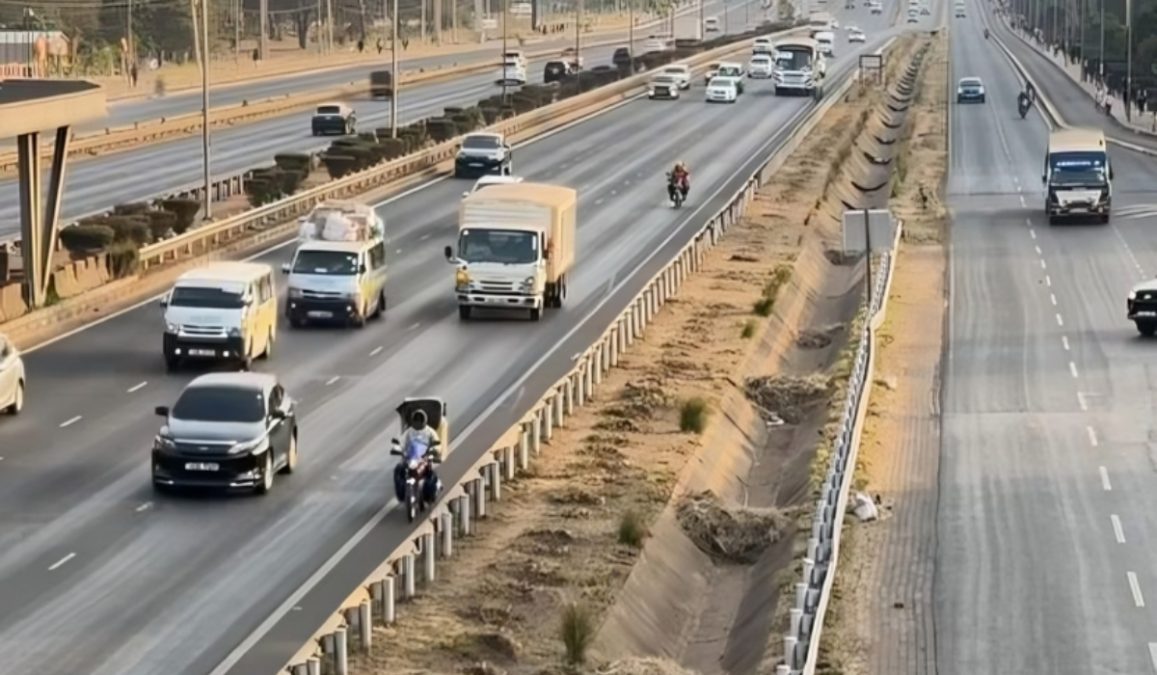
Travel carefully
During fuel price protests, movement around towns and highways can change very quickly.
Roads that appear calm in the morning may later become blocked due to demonstrations, police activity or stranded vehicles.
If travel is unavoidable, it is safer to leave earlier than usual and avoid routes already associated with protests or roadblocks.
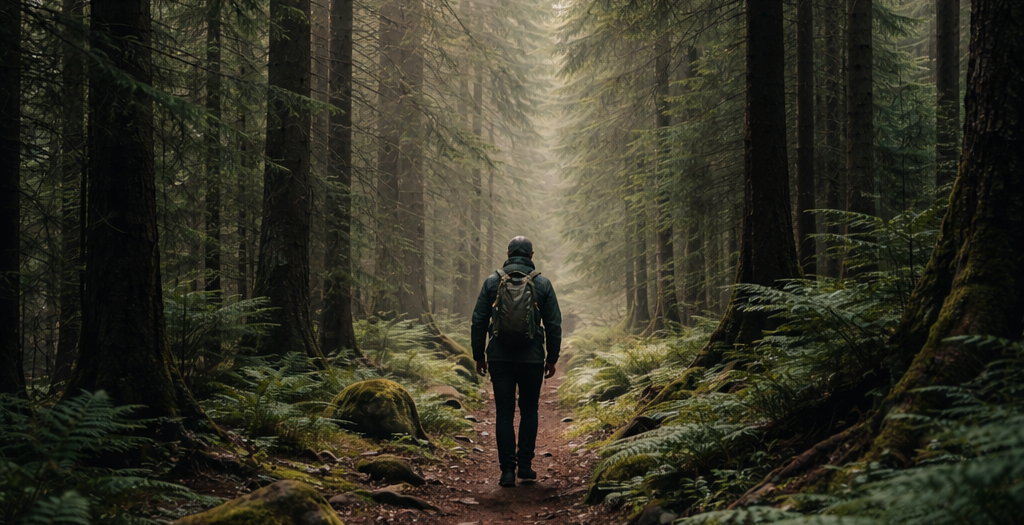
Many Kenyans were forced to walk long distances after public transport stopped operating in Nairobi and other towns.
Where possible, staying indoors or postponing unnecessary travel can help reduce exposure to risky situations.
Avoid crowds
Large gatherings during protests can quickly become unpredictable.
Even peaceful demonstrations may suddenly turn chaotic when crowds increase or confrontations begin.
Keeping distance from protest zones lowers the chances of injury from stampedes, smoke, stones or clashes.
Areas with burning tyres or blocked roads should especially be avoided because visibility and movement can become difficult within minutes.
Security agencies in Kenya also announced increased deployment during the protests and warned that disruptive behaviour would be handled firmly.
Follow updates
One of the safest things during nationwide protests is staying informed through reliable news updates and official communication.
Transport disruptions linked to the fuel protests affected schools, workplaces and businesses across the country.
Some schools even advised learners to remain at home because of transport uncertainty and safety concerns.
Checking traffic reports, transport advisories and verified news platforms before leaving home can help avoid getting stranded in unsafe areas.
Protect your health
Fuel protests often involve smoke from burning tyres and, in some situations, tear gas used during crowd control.
Smoke inhalation can irritate the lungs, throat and eyes, especially for people with asthma or breathing conditions.
Tear gas exposure may cause coughing, difficulty breathing and eye irritation.
If caught near smoke or tear gas, moving away immediately to an open and less crowded area is usually the safest response.
Covering the nose and mouth with cloth and washing the eyes with clean water may also help reduce irritation.
Stay connected
During large protests and transport shutdowns, communication becomes important.
A fully charged phone can help people contact family members, employers or emergency services if movement becomes difficult.
It is also useful to inform relatives or trusted friends about travel routes and destinations, especially when commuting through affected areas.
Because transport systems can suddenly stop operating, carrying some emergency cash and water may help in case long walking distances become necessary.
Beware misinformation
Periods of protests often lead to rapid spread of rumours and false information online.
Edited videos, fake alerts and unverified claims can create panic and confusion.
Relying on trusted media organisations and official statements is safer than forwarding unconfirmed social media messages.
False reports about violence or blocked roads may cause unnecessary fear or send people into unsafe routes.