How to stay mentally healthy when the economy makes you feel powerless
By Dan Kauna, May 15, 2026When prices keep climbing and jobs feel uncertain, most people do one of two things: they either freeze up or flood their minds with financial news around the clock.
Psychologists say both responses make things worse, not better. The encouraging part is that research points to a handful of specific habits that genuinely protect your mental wellbeing when economic events feel beyond your control.
What you can actually control
The idea of locus of control describes the degree to which a person believes they have agency over what happens in their life.
When that sense of agency shrinks, so does mental health.
A study published in the Community Mental Health Journal found that “a more internalised locus of control may moderate or protect against the detrimental effects of financial stress on mental health.”
Simply put, redirecting focus toward what you can influence makes a measurable psychological difference.
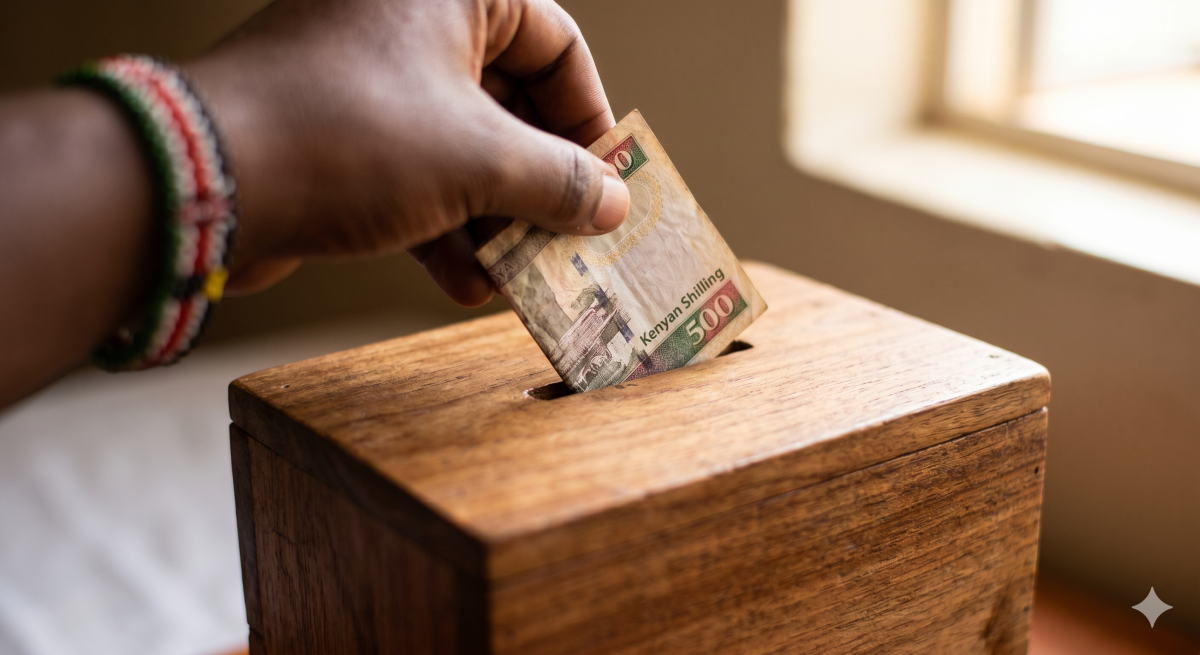
Practically, this means choosing one small, concrete action every week. Renegotiate a subscription. Open a savings account, even if you start with Ksh500. Take a free online course.
None of this solves the wider economy, but each step rebuilds a felt sense of forward movement, which is exactly what the research says you need.
Manage your feed, invest in people
Research published in JMIR Mental Health in 2025 touches on the media question: “extensive media exposure perpetuates stress and is associated with symptoms of psychopathology.” Scrolling economic headlines on a loop does not give you better information; it gives you more anxiety.

Cap your news consumption to two scheduled check-ins a day, with none after 9 pm. Then use the time you free up to invest in people.
Call a friend. Join a chama or a community interest group. Studies consistently link strong social ties to resilience during hard economic times.
The economy may feel outside your hands, but your daily choices about where your attention goes are not.