Advertisement
How to know difference between being an introvert and being depressed
20th May, 2026 10:40 AM
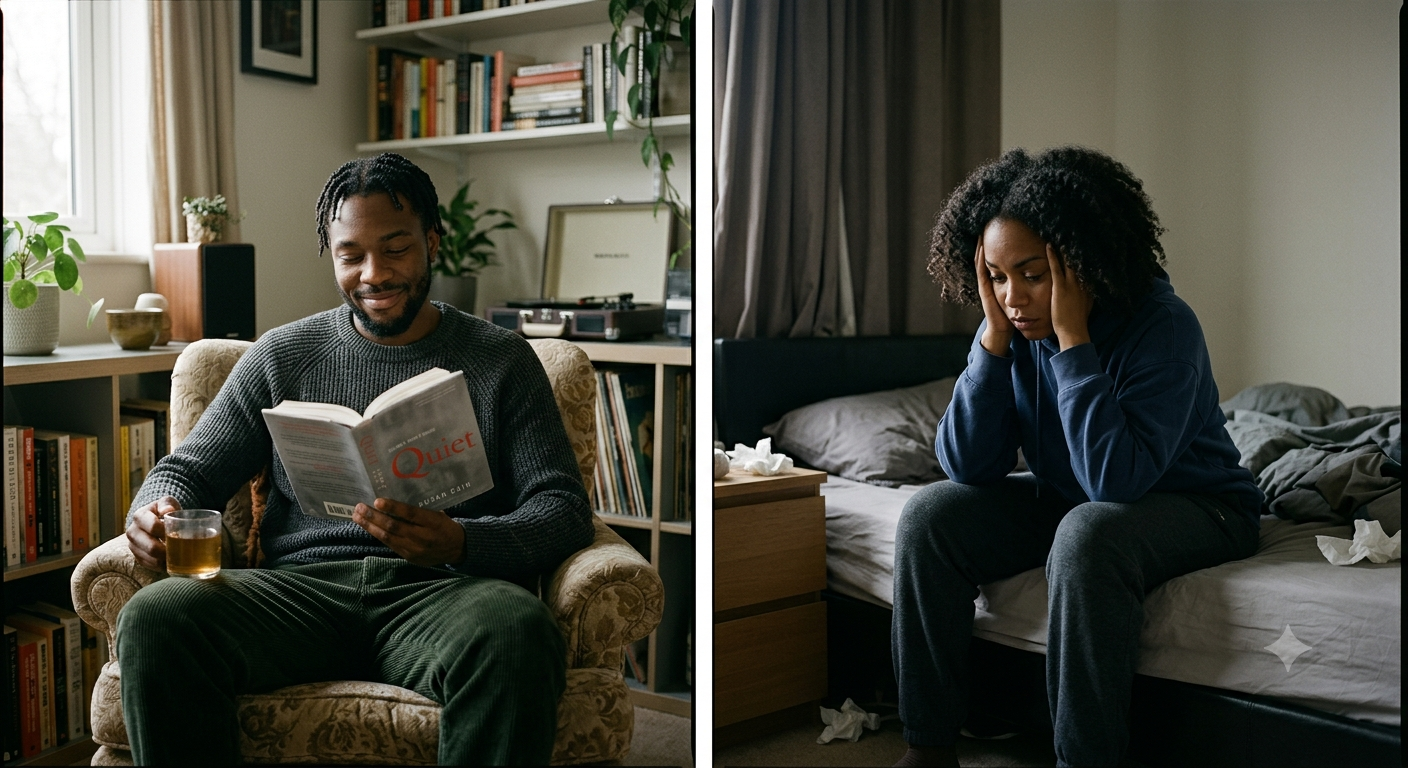
It is easy to label someone who prefers solitude as “sad” or “withdrawn.” Yet, psychology draws a clear line between personality and mental health. An introvert is simply someone who feels more energised by calm environments and alone time rather than large social settings. It is not a condition, but a way of being.
Introversion is part of normal personality variation, not linked to emotional distress. Introverts may enjoy reading alone, working independently, or keeping a small circle of friends. The key point is that they still find joy and purpose in their lives, even if quietly.
In contrast, depression is a medical condition that affects how a person feels, thinks, and functions daily. The World Health Organization describes it simply as: “Depression is a common mental disorder.” It goes beyond personality and often disrupts sleep, appetite, energy levels, and interest in once-enjoyed activities.
Where depression begins to look different
The difference becomes clearer in daily experience. A person who is introverted may decline social events but still feel content or relaxed at home. However, someone experiencing depression may withdraw not because they prefer solitude, but because they feel heavy, empty, or disconnected.
Health experts at the Mayo Clinic noted that depression often includes persistent sadness, loss of interest, and feelings of hopelessness lasting weeks or longer. Unlike introversion, it does not feel peaceful or intentional. It feels like a distance from life itself.

Energy levels also differ. An introvert can still feel motivated, laugh with close friends, and engage in hobbies. Depression, on the other hand, can make even small tasks like showering or replying to messages feel overwhelming.
Sleep and appetite changes are also more common in depression. Either too much sleep or insomnia, overeating or loss of appetite can signal that something deeper is going on, not just personality preference.
Listening to the signs and seeking clarity
Understanding the difference matters because confusion can delay help. Many people assume they are “just introverts” when they are actually struggling emotionally, while others wrongly label introverts as socially anxious or depressed.
The key difference lies in distress and impairment. Introversion is comfortable; depression is painful. One is a preference, the other is a condition that may need support or treatment.
The National Health Service (NHS) advised that if feelings of sadness, emptiness, or exhaustion last for more than two weeks, it is important to speak to a health professional.
Knowing the difference is not about labels; it is about understanding yourself better. Quietness is not a problem. But when quiet comes with heaviness, loss of interest, and emotional pain, it may be time to pause and seek clarity.