How some men waste money and later regret deeply
By David Nthua, May 11, 2026Money rarely disappears all at once. For many men, financial collapse begins quietly through habits that feel harmless in the moment.
A little spending here. A quick transfer there. Drinks for friends tonight. Betting after work tomorrow.
Another subscription nobody truly needs. Another promise made under pressure. Another impulse justified as enjoyment.
Then suddenly, before the month ends, the account is empty.
The painful reality many eventually discover is this: income alone does not create financial stability. Behaviour does.
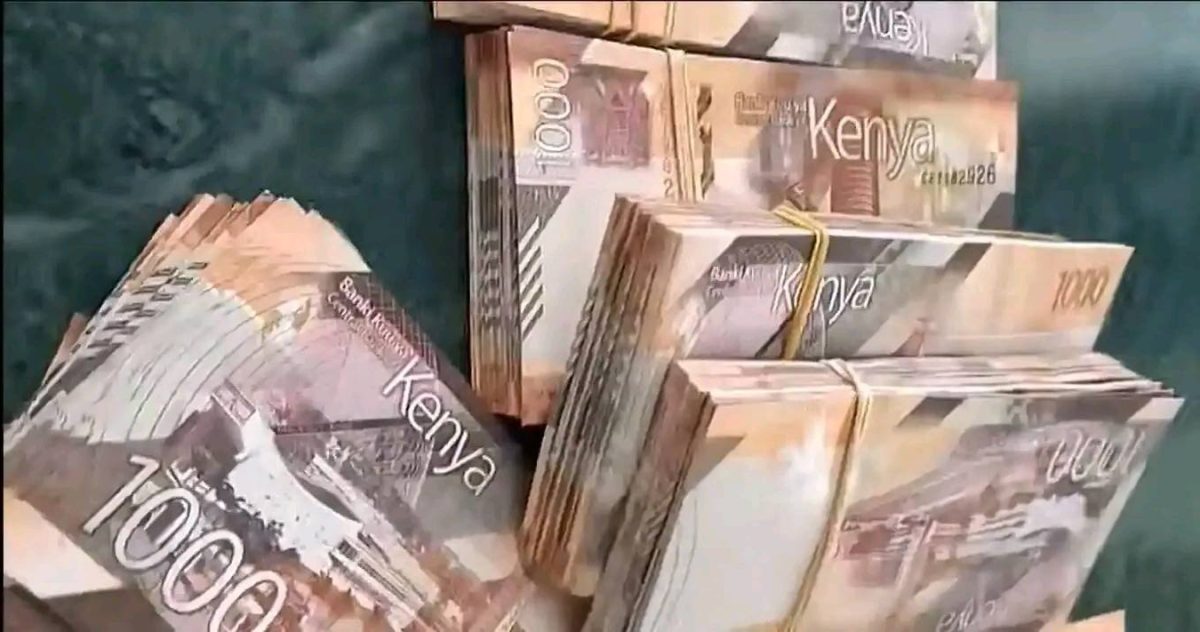
That is why one man earning Ksh35,000 may survive carefully inside a modest one bedroom house, pay bills on time, and still save something small by month end, while another earning Ksh150,000 in the same estate struggles with loans, mobile debts, unpaid rent, and constant borrowing before payday arrives.
Lifestyle and emotional spending often consume salaries faster than poverty itself.
Sending fare and money to side relationships
One of the fastest silent drains on personal finances is maintaining multiple romantic relationships beyond one’s actual financial ability.
Many men spend heavily trying to sustain emotional attention, validation, or physical access through endless transfers labelled as fare, lunch money, salon support, shopping assistance, or emergency help.
At first the spending feels manageable.
A few hundred shillings becomes a few thousand. Soon the transfers become expected rather than appreciated. The pressure grows heavier because the relationship itself starts depending partly on financial maintenance.
Some men continue spending even when rent, savings, or family responsibilities are struggling quietly behind the scenes.
The danger is not only financial. It is psychological.
The brain begins associating affection with spending. Validation starts feeling purchasable.
Emotional loneliness gets medicated through mobile money notifications.
Then one day the relationship ends, the money is gone, and regret arrives carrying receipts of every sacrifice made for temporary attention.

Gambling creates the illusion of recovery
Few habits drain money faster than chasing losses.
Gambling survives psychologically because it feeds hope. Every losing streak whispers that the next win could repair everything.
That illusion traps many men inside cycles of emotional spending disguised as opportunity.
At first it may look harmless.
A small football bet during weekends. Aviator games before sleeping. Casino apps during lunch breaks. Then slowly the brain becomes addicted not only to money, but to anticipation itself.
The excitement becomes chemical.
Near wins stimulate dopamine pathways in the brain almost like actual wins. This keeps many gamblers emotionally trapped even while losing repeatedly.
Some men begin borrowing to recover previous losses. Others gamble salaries before paying bills because they believe one successful prediction could solve financial pressure instantly.
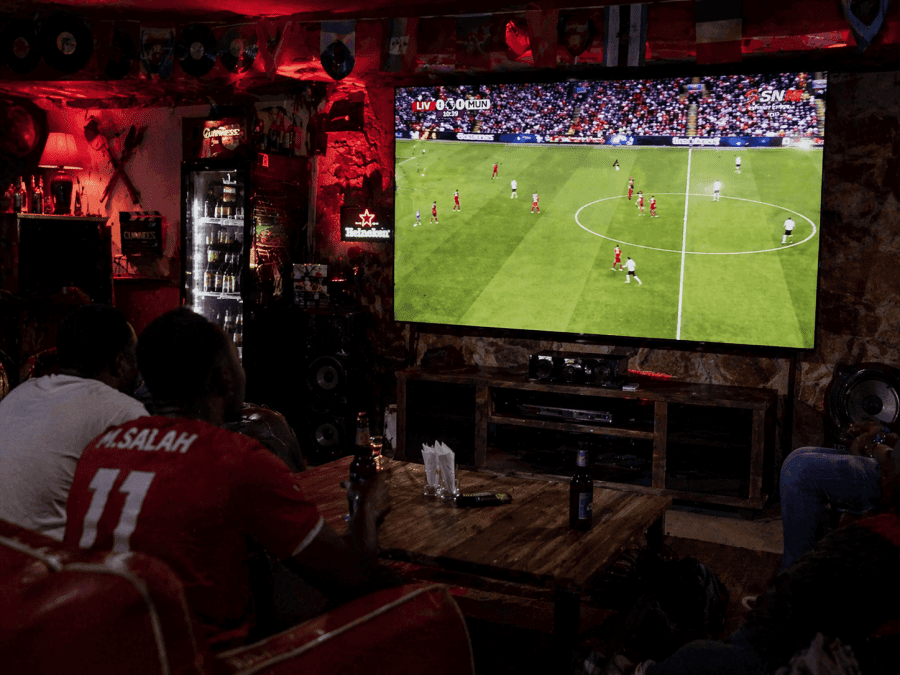
But gambling rarely stops when people are winning.
It usually expands.
And eventually the losses become heavier than the original problems people were trying to escape.
Many men later regret not only the money lost, but the time, anxiety, lies, and relationships destroyed while chasing recovery through chance.
Paying for intimacy
Some men spend enormous amounts chasing temporary physical satisfaction.
Nightlife culture, transactional intimacy, expensive dates driven purely by lust, and repeated spending for short term pleasure often create deep financial leakage over time.
The problem is not simply the transaction itself.
It is the emotional cycle surrounding it.
Loneliness, ego, peer pressure, validation seeking, or emotional frustration sometimes push men into repeated spending that leaves no long term stability afterward.
A man may spend thousands in one weekend trying to impress strangers while simultaneously struggling to pay rent days later.
In the moment, alcohol, attention, music, and excitement make the spending feel justified.
But morning often arrives with silence, overdraft notifications, and regret.
Temporary pleasure rarely comforts long term financial stress.

Pleasing friends
Many men are financially wounded by the fear of appearing broke.
So they overspend socially.
Buying unnecessary rounds of alcohol. Paying bills for entire groups. Lending money they cannot afford to lose. Funding road trips they cannot sustain. Pretending to be financially stable because masculinity often pressures men to appear generous and successful publicly.
Some even finance friendships entirely.
They become the permanent sponsor in every gathering.
Yet many later discover something painful.
The same friends rarely appear during emergencies, rent crises, hospital bills, unemployment, or emotional breakdowns.
The applause disappears once the spending stops.
Trying to maintain social status through money often creates invisible suffering behind closed doors.
Some men sleep in financial panic while still laughing loudly around friends they cannot afford.
Unnecessary subscriptions
Modern financial leakage often happens digitally.
Streaming subscriptions. Premium apps. Betting memberships. Gaming purchases. Music platforms. Online courses never completed. Gym memberships rarely used. Cloud storage nobody checks.
Individually, each payment feels small.
But together they quietly eat monthly income like tiny holes inside a water tank.
Many people underestimate recurring expenses because the deductions happen automatically and emotionally feel painless.
Yet over months, unnecessary subscriptions can consume thousands of shillings that could have strengthened savings, investments, or emergency funds.
Money disappears most dangerously when spending becomes invisible.