Advertisement
How soft life living is changing relationships and friendships
12th May, 2026 07:52 PM

Soft life is no longer just a hashtag; it is a lifestyle movement.
In 2026, young people across East Africa are choosing comfort, peace, and self-care over constant hustle. They are setting boundaries, saying “no” to drama, and investing in experiences that feel good.
This shift is quietly reshaping how we date, make friends, and stay connected.
Boundaries are the new best friend
Soft life has turned “I’m not available” into a full sentence. Many young people now politely distance themselves from friends who bring stress, gossip, or financial pressure. Group chats that once buzzed 24/7 now go quiet because someone decided their mental health matters more than constant availability.
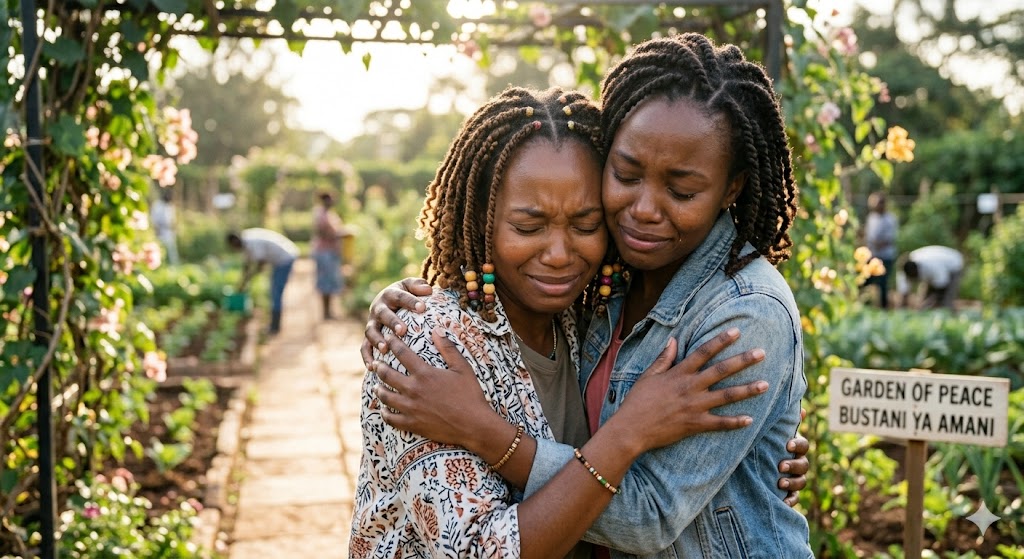
Old friendships that survived on guilt and obligation are fading, while new ones built on mutual respect and low-pressure vibes are thriving.
Romantic relationships are getting more intentional
In the era of soft life, love looks different. Couples are choosing calm dates, picnics, home-cooked meals, or weekend getaways, instead of expensive nights out that leave them broke and exhausted. Partners are expected to support each other’s peace: splitting chores equally, encouraging therapy, and understanding when one person needs solo time.
The old “ride or die” pressure is fading. People now want a partner who adds to their softness, not someone who demands constant sacrifice.
The friendship filter is getting stronger
Soft life has introduced a quiet but powerful friendship audit. Many are asking: “Does this person make my life lighter or heavier?” Low-effort friends who only reach out when they need something are being gently phased out.
On the positive side, deeper connections are forming. People are organising “soft hangouts”, yoga sessions, movie nights at home, or quiet coffee dates, where real conversations happen instead of loud club nights.

Not everyone is celebrating the change. Some older relatives call it selfishness, and some young people worry they are becoming too isolated. However, most agree the trade-off is worth it. Quality has replaced quantity.
A smaller circle of genuine friends and a peaceful relationship now feel more fulfilling than a big but draining network.
Soft life is teaching an important lesson: relationships and friendships should add to your peace, not subtract from it. By choosing comfort and self-respect, young people are building healthier, more honest connections. The future of friendship and love might just be softer and that is not a bad thing at all.