Advertisement
How protests in Kenya affect shop owners
18th May, 2026 03:33 PM
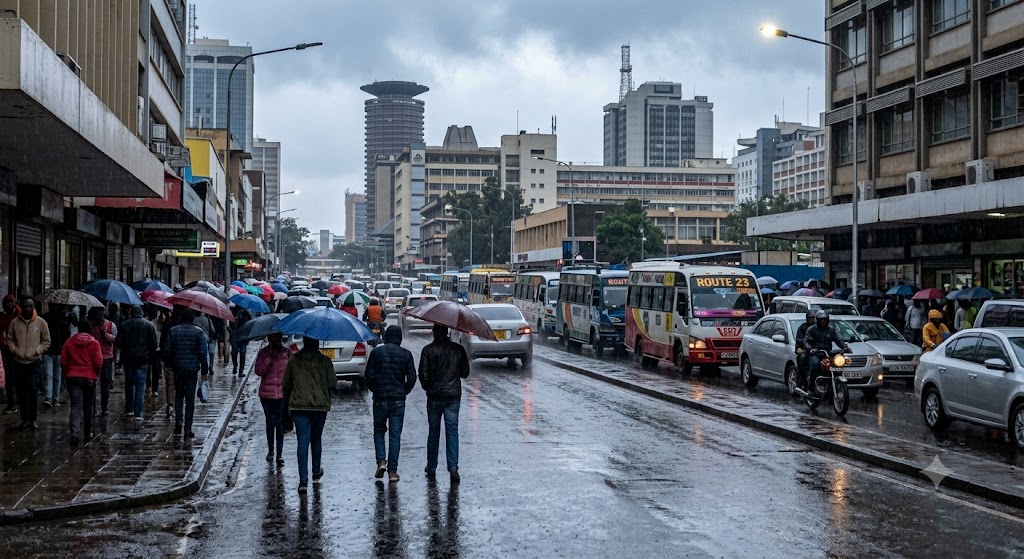
There are days in Kenya when the country feels like it has paused.
Streets that are usually full of movement suddenly go quiet, except for scattered footsteps, shouting voices and the heavy sound of running crowds.
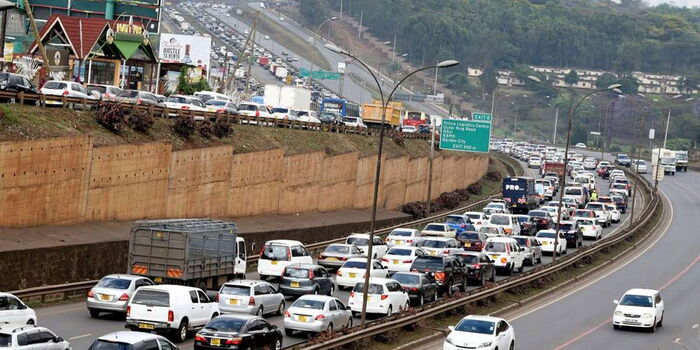
On Monday, May 18, 2026, that silence was broken by a nationwide transport shutdown that left matatus parked, bodabodas grounded and long distance trucks off the roads.
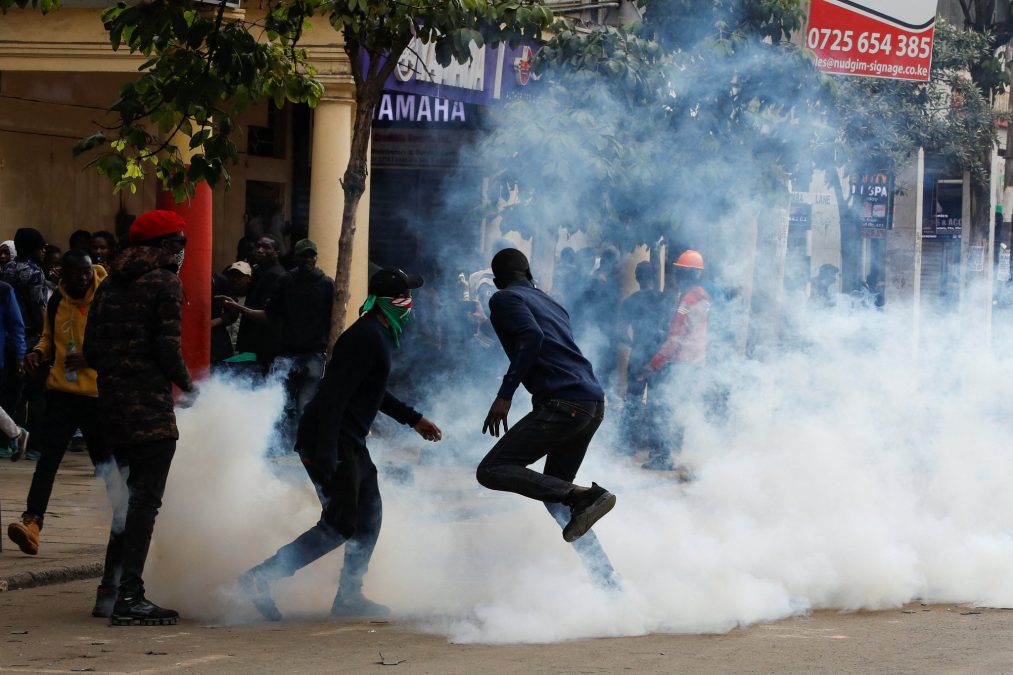
Many Kenyans walked long distances to work as fuel price protests spread across major towns, with reports of blocked roads, tear gas and tense standoffs between protesters and police.
In the middle of all this, small shop owners were still expected to operate normally, even when normal life had already shifted outside their doors.
Why people took to streets
The current demonstrations are largely linked to rising fuel costs following recent price adjustments by the Energy and Petroleum Regulatory Authority.
Transport operators say the increases have made it expensive to run vehicles, forcing fare hikes and reducing daily income.
This has affected commuters, traders and small businesses that depend on transport for goods and customers.
For many protesters, the message is simple.
The cost of living is becoming too high. Fuel prices directly affect food prices, transport fares and the survival of small businesses.
Protests in Kenya are also a constitutional right. They allow citizens to express frustration and push for change when economic pressure becomes too heavy.
In many cases, they reflect real struggles faced in households and businesses.

Daily life for shop owners
For shop owners, protest days are unpredictable.
Some open their doors hoping for normal business, only to close hours later when tension rises.
The effects are often immediate:
- Customers stay away due to fear or blocked roads
- Suppliers fail to deliver stock because transport is disrupted
- Shops close early to protect staff and goods
Even when a shop remains untouched, the loss of sales for a single day can affect weekly income, especially for small businesses that rely on daily cash flow.
Looting and destruction risks
One of the most painful realities during protests is the risk of looting.
In some areas, opportunistic groups take advantage of chaos to break into shops and carry away goods.
This leaves business owners with heavy losses that are difficult to recover from.
There are also cases of property damage such as broken doors, shattered windows and burnt stalls.
For informal traders, even minor destruction can mean starting over completely.
In more severe situations, staff and customers may get caught in running battles or stampedes, leading to injuries and trauma.
When violence takes over
While many protests begin with a clear economic or political message, they can sometimes be infiltrated by criminal groups.
These groups use the confusion to steal or destroy property, shifting attention away from the original cause.
There have also been long standing concerns from communities and observers that some violent incidents during protests may be linked to organised groups or individuals with hidden interests.
This creates fear among business owners who simply want to protect their livelihoods.
Why protests still matter
Despite the challenges, protests are not meaningless. They remain an important way for citizens to demand accountability and economic fairness.
In this case, transport operators and citizens are responding to fuel price increases that directly affect daily survival.
When peaceful, protests give voice to real frustrations.
They highlight issues that affect millions of people, from transport costs to food prices and job security.
Finding a difficult balance
The reality is that both sides matter. Citizens have a right to protest when economic pressure becomes unbearable.
At the same time, shop owners have a right to protect their businesses, employees and years of hard work.
The biggest challenge remains ensuring that protests remain peaceful and are not taken over by violence or criminal activity.
When order is maintained, the message is heard without destroying livelihoods.
When chaos takes over, both the message and the economy suffer.
For Kenya’s small business owners, every protest day becomes a test of survival, resilience and hope that tomorrow will be calmer than today.