Advertisement
How milk vendors trick customers into buying adulterated milk
07th May, 2026 08:48 PM
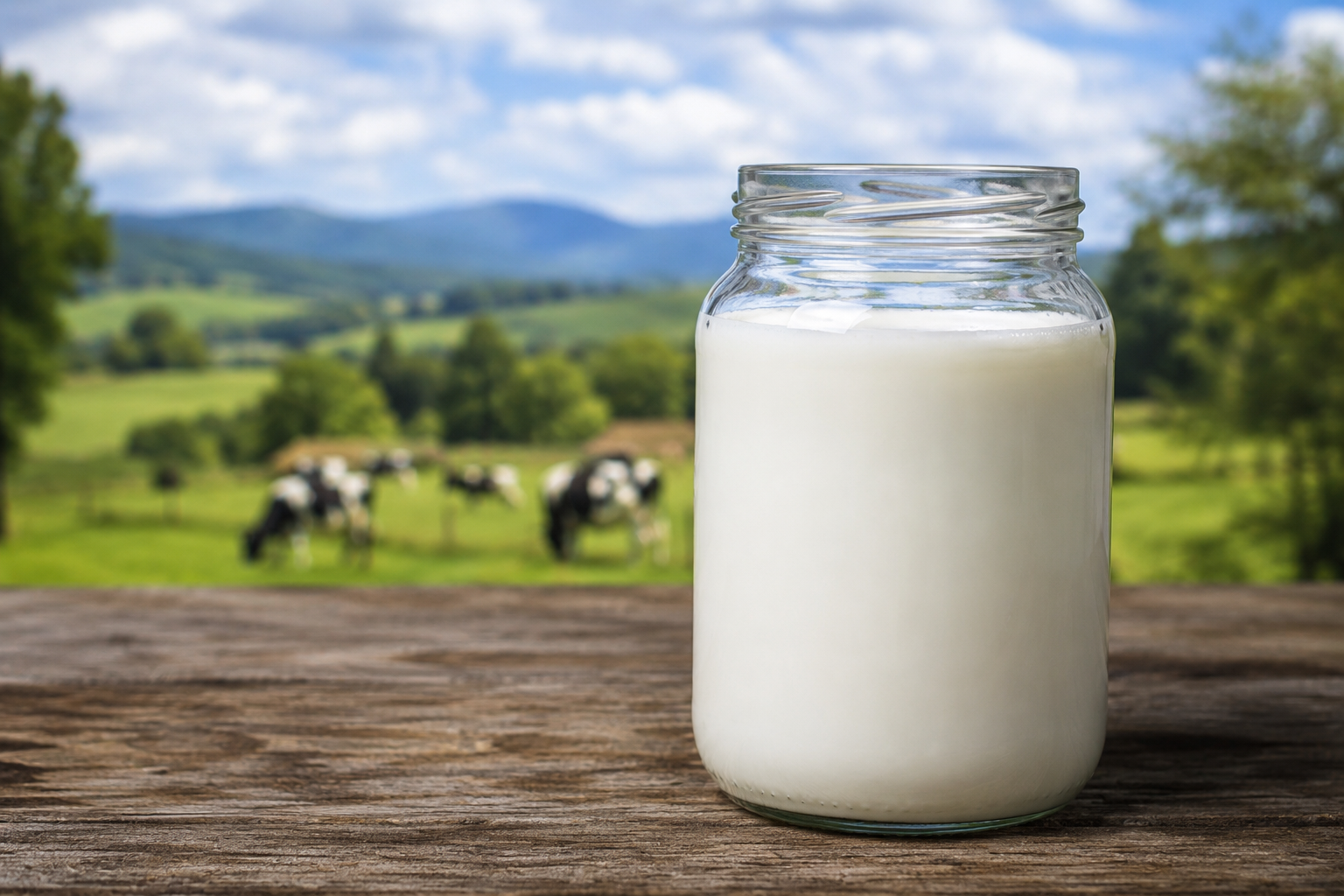
Milk is one of the most trusted foods in many homes.
From tea and porridge to children’s breakfast and hospital diets, millions of families consume milk daily believing it is pure, fresh, and nutritious.
However, food experts and health researchers continue to warn that milk adulteration remains a serious public health concern in many parts of the world.
Adulteration simply means adding unwanted substances to milk to increase quantity, extend shelf life, or make it appear richer than it really is.
While some changes may not be visible to the naked eye, they can reduce nutritional value and expose consumers to dangerous infections and chemicals.
Water dilution and how some tricks fool customers
The most common trick used by dishonest milk vendors is adding water.
Because some cow breeds naturally produce thick milk with high butterfat content, slightly diluted milk may still appear normal to customers.
Many buyers therefore fail to notice the difference immediately.
However, experts warn that the biggest danger is not always the dilution itself but the quality of water added.
Contaminated water may carry bacteria, parasites, and diseases linked to unsafe water sources.
Studies on milk adulteration warn that unsafe water can expose consumers to infections and gastrointestinal illnesses.
Adding water also reduces milk’s nutritional value. Children, pregnant women, and sick patients who rely on milk for nutrients may end up consuming weakened products with lower protein and mineral content.
Some vendors also use flour or starch such as wheat flour to make diluted milk appear thicker.
Once water has been added, the milk may look too watery, so starch is introduced to restore a creamy appearance.
Experts say starch adulteration can sometimes cause digestive discomfort and may affect people with certain medical conditions.
In some cases, milk may spoil faster because of contamination introduced during dilution. Customers may notice milk souring unusually quickly even after refrigeration.
Dangerous chemicals some traders use to hide poor quality milk
Researchers and food safety reports show that some dishonest traders go beyond water and starch by using harmful chemicals to disguise poor-quality milk.
Detergents are sometimes used to create foam and imitate the appearance of creamy milk.
Urea may be added to increase whiteness and imitate higher protein levels.
Formalin and hydrogen peroxide have also been reported in some adulteration cases to slow spoilage and extend shelf life.
Health experts warn that some of these substances may cause stomach irritation, food poisoning, kidney strain, or long-term health complications when consumed repeatedly.
Consumers are therefore advised to buy milk from trusted and regulated sources whenever possible.
Changes in smell, unusual foaming, strange taste, excessive watery texture, or milk spoiling too quickly may sometimes indicate poor handling or adulteration.
Food safety experts also encourage stronger inspection systems and public awareness because milk remains one of the most consumed foods in many households, especially among children and vulnerable groups.