Advertisement
How adulting changes your energy and why you can’t do what you used to
06th May, 2026 09:32 AM

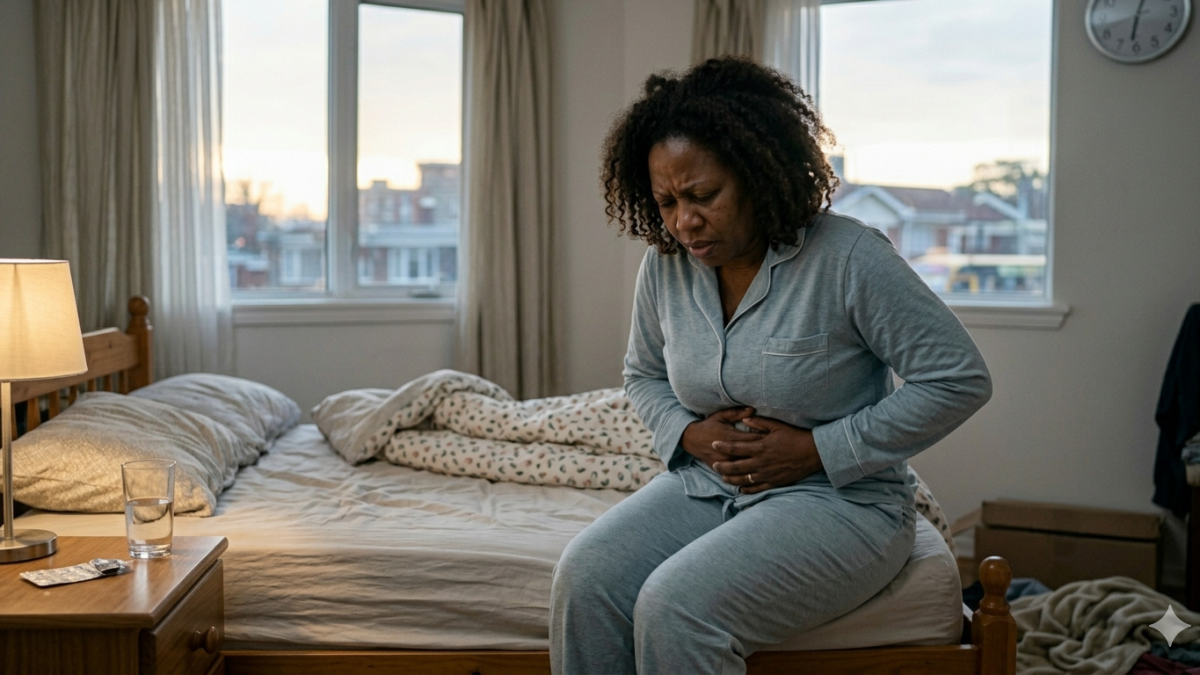
At some point, almost everyone notices it. The energy you once had, the kind that let you stay out late, wake up early, and still function, starts to fade. Not dramatically, not overnight, but slowly.
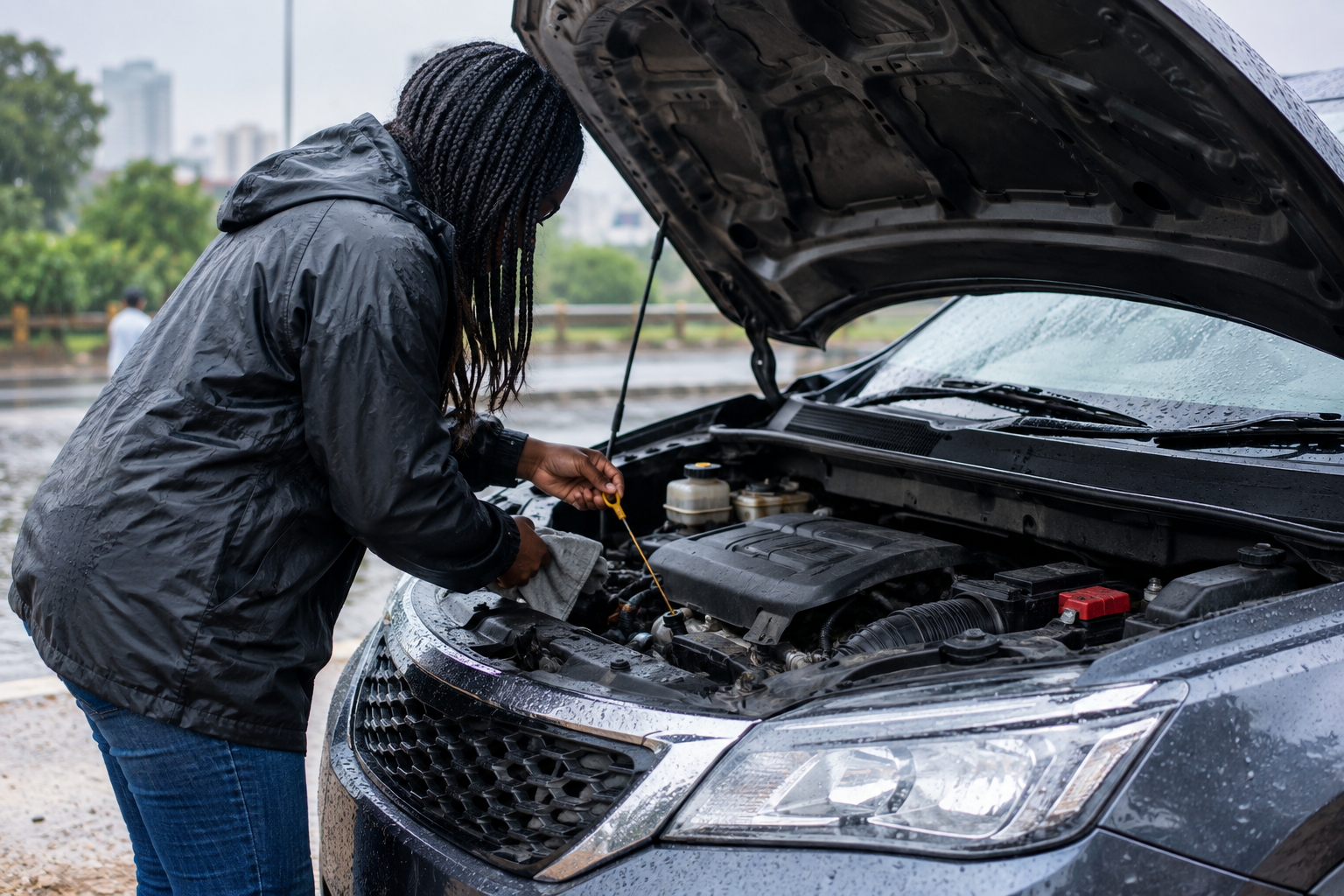
In your early years, life was planned for you. School timetables, fewer responsibilities, and even when you’re tired, there was always someone or something taking care of you. Adulthood, however, flips the script. Suddenly, you are the planner, the problem-solver, and the one expected to keep everything moving, even on days you feel drained.
Your energy
According to the World Health Organization, stress is a state of worry or mental tension caused by a difficult situation, and it affects both the mind and body. That “difficult situation” in adulthood often isn’t one big problem; it’s many small ones happening all at once.
Bills. Work deadlines. Family expectations. Relationships. Planning your future while still figuring out your present. It’s not one thing that exhausts you; it’s the accumulation. Your mind is always active, thinking, planning, worrying. That constant mental overload drains energy even when you’re physically resting. That explains why you can sleep for eight hours and still wake up tired.
Adulthood also introduces something many people don’t anticipate: decision fatigue. From what to cook, how to budget, to career choices, every day comes with countless decisions. And unlike childhood, there’s no one to double-check if you got it right.
A recent study by PubMed on stress across the lifespan shows that continuous stress in adulthood can influence both mental and physical well-being over time. It doesn’t always show up as burnout. Sometimes, it’s just feeling off, unmotivated, or too tired to do things you once enjoyed.
The emotional side of it.
As responsibilities grow, so do expectations both from society and from yourself. You’re supposed to be productive, stable, and “figured out.” But real life rarely follows that script.
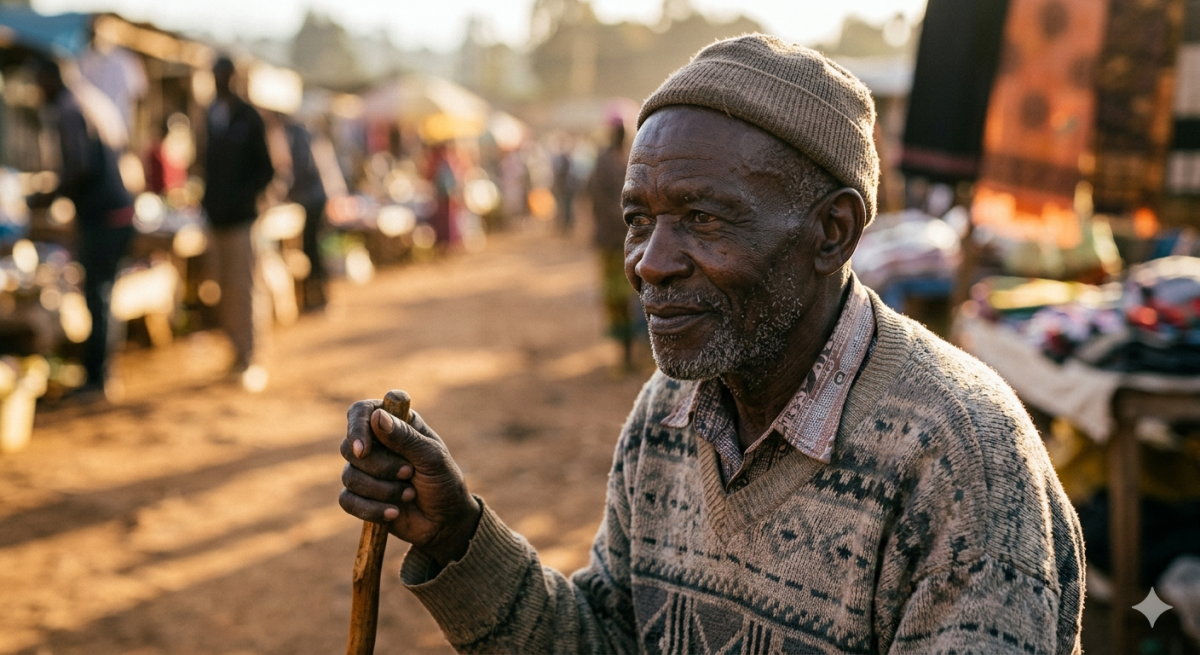
You start measuring your energy differently. Before, energy was about how much you could do. Now, it’s about what actually matters enough to spend that energy on. That’s why nights out become optional. Why rest starts to feel like a priority instead of a luxury. And why saying “I’m tired” isn’t just about sleep anymore.
The World Health Organization also notes that maintaining routines, getting enough rest, and staying connected with others can help manage stress levels. But even with these in place, adulthood still demands more from you than earlier stages of life ever did.
So no, you’re not imagining it. Your energy has changed because your life has changed. And maybe that’s the real shift learning that adulthood isn’t about doing everything like you used to. It’s about choosing what’s worth your energy now, and letting the rest go.